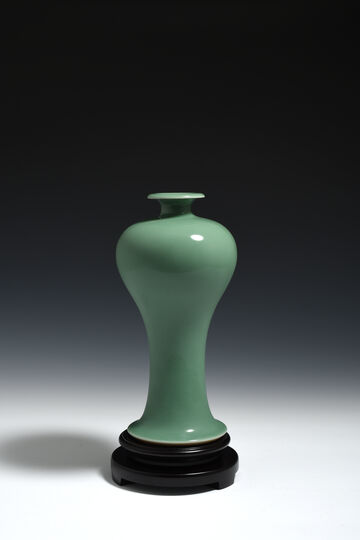
The Meiping vase, a timeless classic in Chinese ceramics, has played a significant role throughout every major phase of China’s ceramic history. From the Five Dynasties period, when King Qian Miu of Wu Yue commissioned Yue Kiln to create Meiping as tribute ware, to the late Qing dynasty, the Meiping has been cherished for its distinctive form and rich cultural symbolism. It remains an enduring poetic emblem of ceramic artistry.
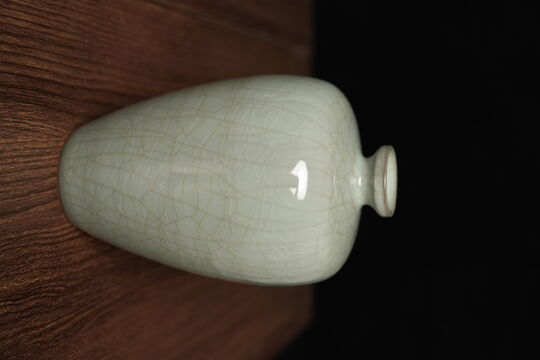
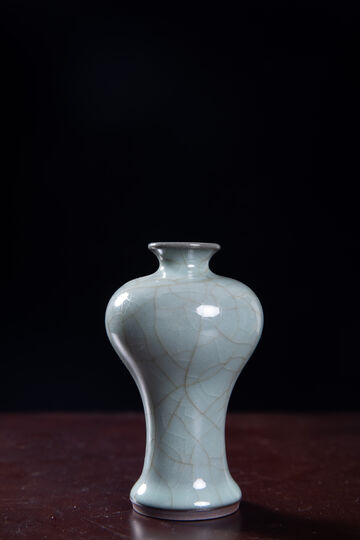
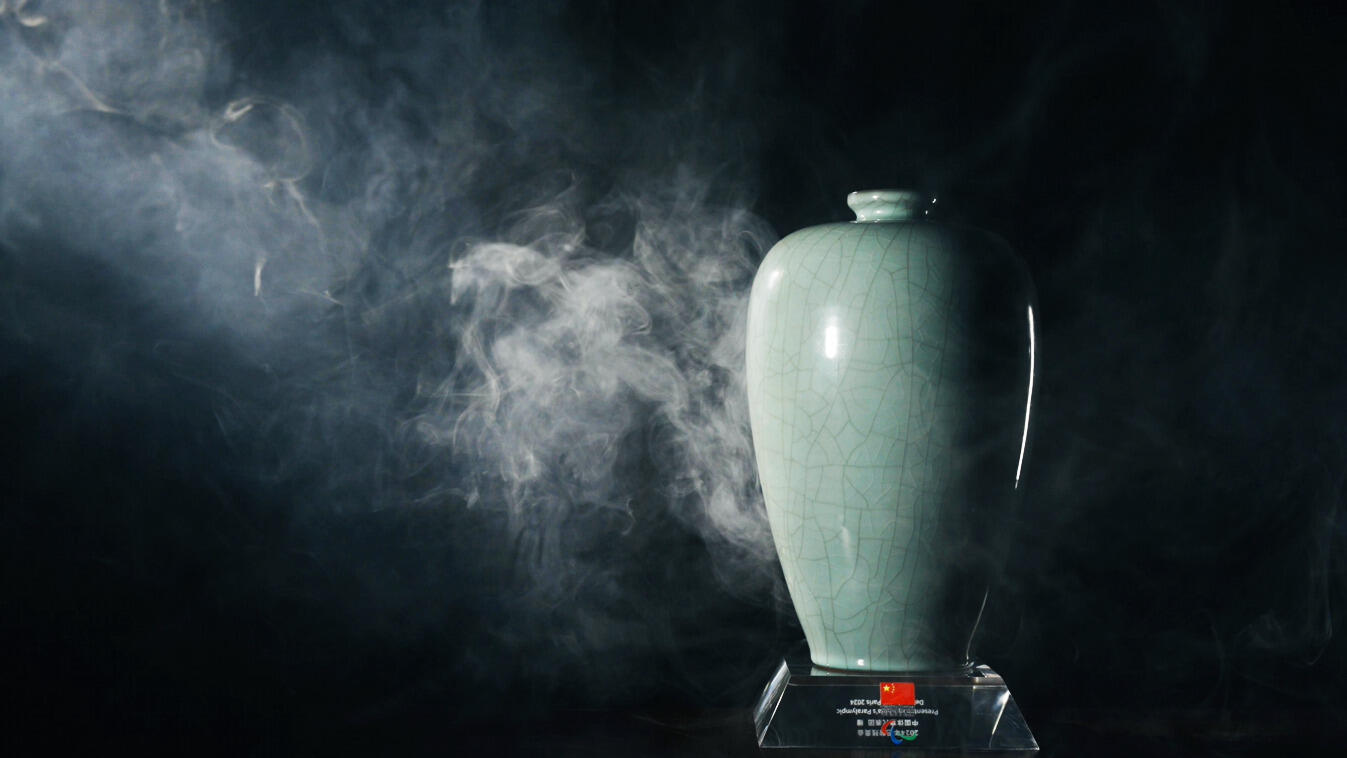
This piece, named “Yuli” (玉立), meaning “graceful uprightness,” exemplifies the Meiping as a pinnacle of traditional Chinese porcelain. Its elegant and upright silhouette is beautifully complemented by a crackled glaze that evokes both the essence of classical culture and the strength found in resilience and beauty amid adversity. The spirit it embodies resonates deeply with values of equality, respect, and inclusion, symbolizing the steadfast will and extraordinary talent forged through perseverance.
In 2024, this work was honored as a special gift at the Paris Paralympic Games, presented to Andrew Parsons, President of the International Paralympic Committee, and Majid Rashid, President of the Asian Paralympic Committee.
- style of the Southern Song Guan kiln
- Timeless Legacy of the Meiping Form
- From Royal Tribute to Enduring Cultural Symbol
- “Yuli” — Graceful Uprightness and Inner Strength
- Elegant Silhouette with Crackled Glaze Texture
- Embodiment of Resilience, Equality, and Inclusion
- Honored Gift at the 2024 Paris Paralympic Games
| Body Clay | Iron-rich |
| Glaze | Tianqing |
| Firing | Reduction |
| Dimensions | Height: 36.8cm Width: 21.2cm |
| Size Type | Large |
| Style | Traditional |
| Function | Vase,Decor,Collectible |
Zhang Haiyang
Typologies Preserved Across Dynasties
For scholarly validation, cross-reference the structural glaze profiles and profile matrices of this contemporary creation against globally cataloged archetypes held in museum sanctuaries.
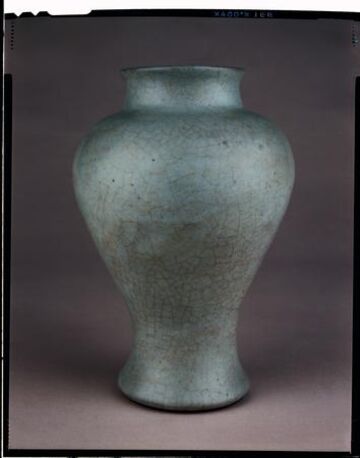
The British Museum
meiping
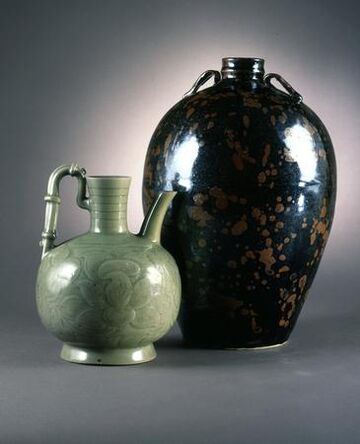
The British Museum
meiping
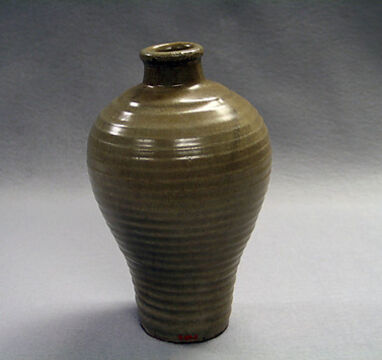
The Metropolitan Museum of Art
Meiping vase
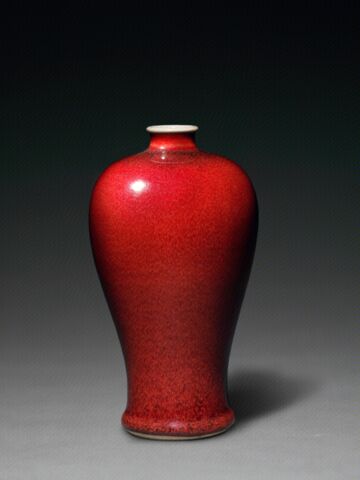
The Palace Museum
郎窑红釉梅瓶
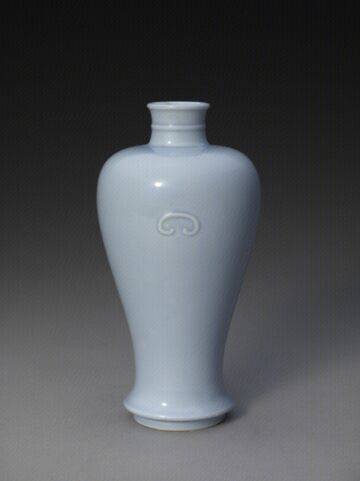
The Palace Museum
天蓝釉凸耳梅瓶
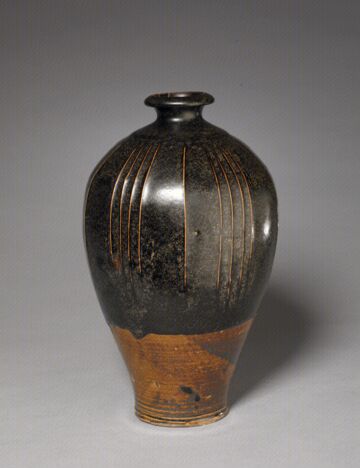
The Palace Museum
黑釉凸线纹梅瓶
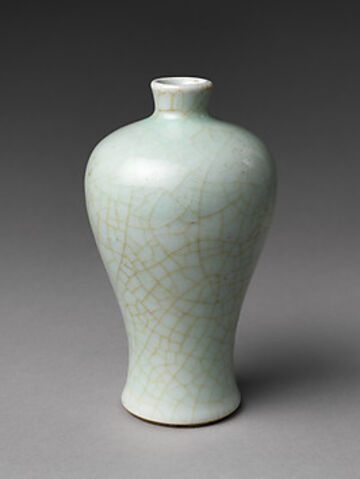
The Metropolitan Museum of Art
Vase in Meiping Shape
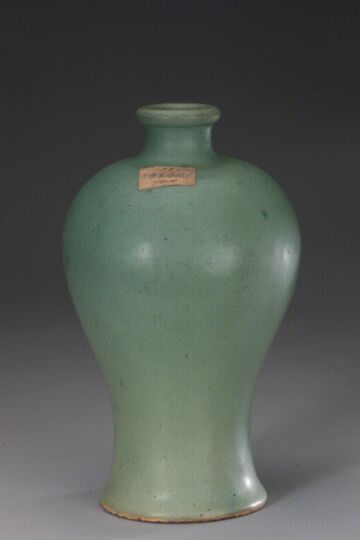
The Palace Museum
石湾窑灰绿釉梅瓶
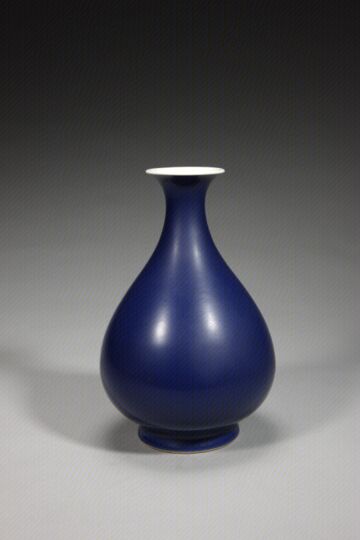
The Palace Museum
雍正款祭蓝釉梅瓶
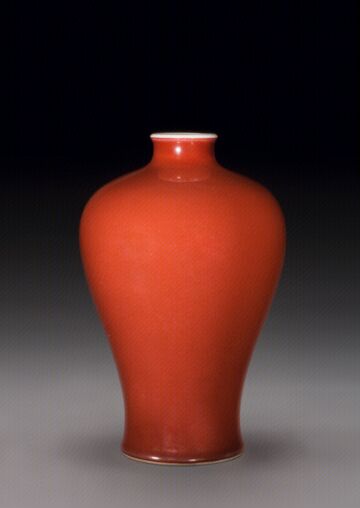
The Palace Museum
雍正款祭红釉梅瓶
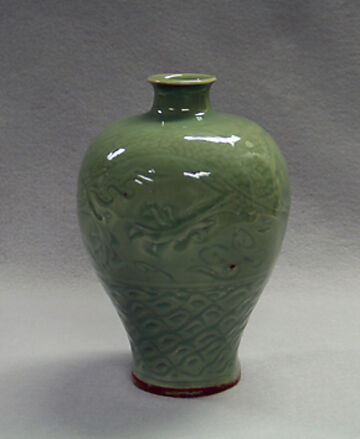
The Metropolitan Museum of Art
Meiping vase with dragon
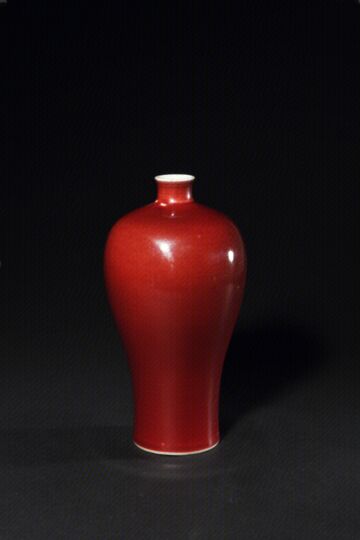
The Palace Museum
康熙款祭红釉梅瓶
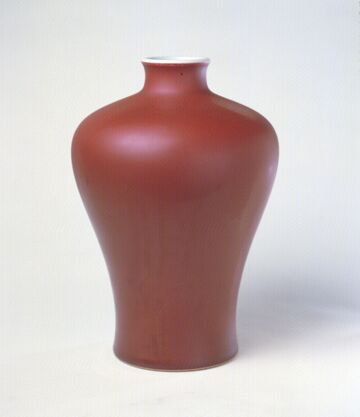
The Palace Museum
雍正款祭红釉梅瓶
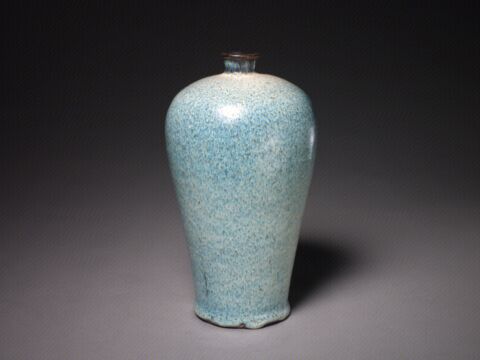
The Palace Museum
石湾窑天蓝釉梅瓶
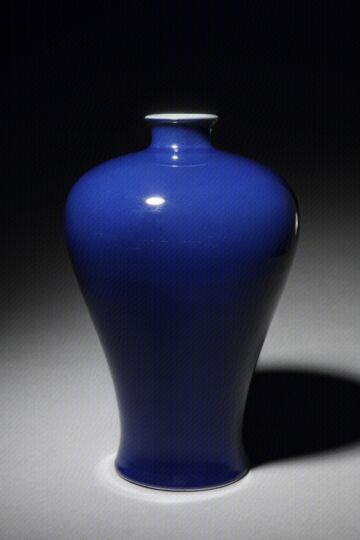
The Palace Museum
雍正款祭蓝釉梅瓶
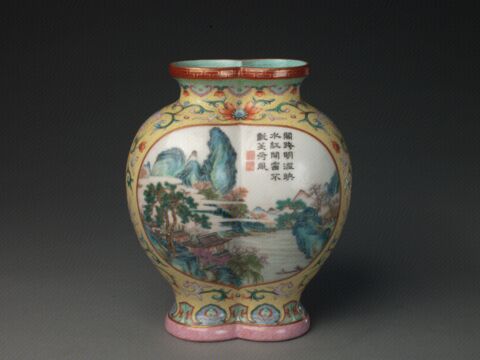
The Palace Museum
雍正款祭红釉梅瓶
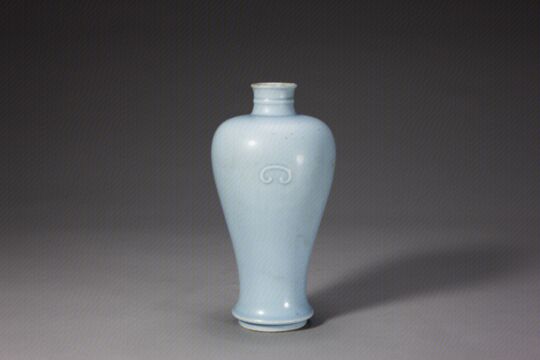
The Palace Museum
康熙款天蓝釉凸耳梅瓶
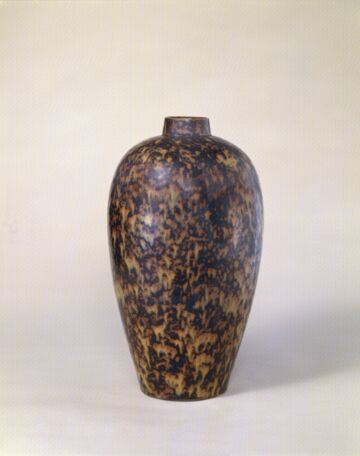
The Palace Museum
吉州窑黑釉黄褐彩梅瓶
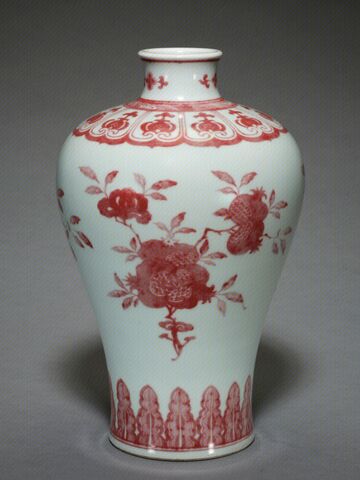
The Palace Museum
乾隆款釉里红三果纹梅瓶
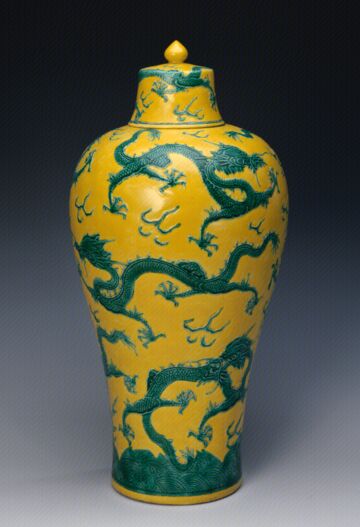
The Palace Museum
黄地绿彩云龙纹带盖梅瓶
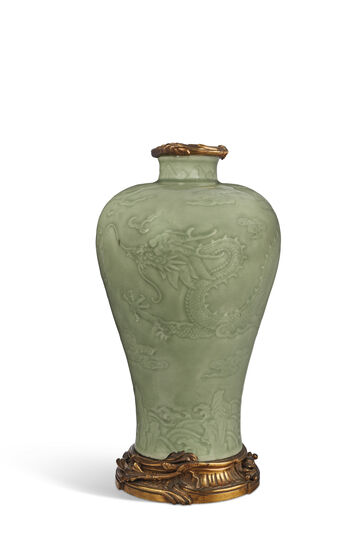
Christie's Auction House
Vase En Porcelaine émaillÉe CÉladon, Meiping
Realised: EUR 63,000