
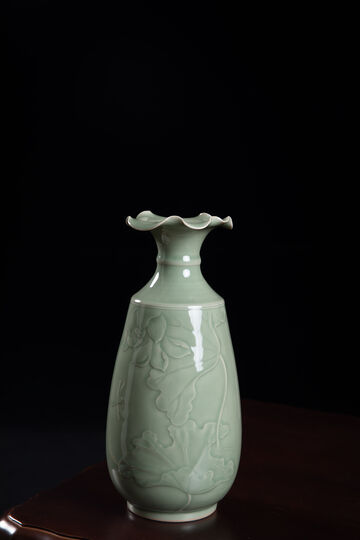
This elegant Longquan celadon vase, with its slender, elongated body, perfectly embodies the grace and serenity of the lotus, capturing the essence of “tingting jingzhi”—the upright, pure, and refined posture of the lotus in bloom. The most enchanting feature is the vase’s mouth: its edges curl naturally, reminiscent of a freshly unfurling lotus leaf. The gentle undulations of the leaf rim evoke the soft ripple of water stirred by a passing breeze, giving the vessel a sense of delicate, dynamic life.
The artisan has employed the yangke (raised carving) technique to sculpt a three-dimensional lotus pond scene along the vase’s body. The lotus petals are subtly curled, as if trembling in a soft breeze; the veins of the leaves are sharply defined, conveying the impression of glistening dew rolling across their surfaces; the lotus stems rise upright and firm, reflecting the Confucian ideal of “straight within and outwardly upright”, a symbol of moral integrity. In traditional Chinese culture, the lotus embodies purity, nobility, and incorruptibility, while its phonetic association conveys harmony and marital bliss. The design evokes the vibrant life of a lotus-filled pond while simultaneously conveying the lotus’s symbolic virtue of remaining unstained amid the mud.
The vase is glazed in a soft, plum-green celadon, warm and luminous, with areas of accumulated glaze creating a depth reminiscent of serene waters. The reduction-fired glaze imparts a jade-like luster, contrasting beautifully with the raised relief motifs: thinner areas reveal the structure and texture of the porcelain, while thicker glaze accentuates the fullness of the lotus forms. As light skims across the surface, the lotus flowers and leaves appear to sway gently in water, capturing movement within stillness, creating a visual poetry that invites lingering contemplation.
More than a decorative vessel, this lotus-leaf vase is a three-dimensional ink painting, a frozen pastoral poem, bringing the freshness, calm, and meditative spirit of a summer lotus pond into modern interiors. In the bustling city, it offers viewers a moment of serene reflection, embodying the classical ideal of “fragrance spreads afar, remaining pure”. This masterpiece harmoniously combines artistic elegance, cultural symbolism, and collectible value, making it a treasure of both visual beauty and humanistic depth.
- Slender, elongated form evoking the upright, graceful posture of a blooming lotus.
- Curled lotus-leaf mouth, reminiscent of freshly unfurling leaves with gentle ripples.
- Yangke (raised carving) decoration depicting a three-dimensional lotus pond: curling petals, defined leaf veins, and upright stems.
- Symbolism: Lotus represents purity, nobility, and moral integrity; its phonetic association conveys harmony and marital bliss.
- Soft plum-green celadon glaze, warm and luminous, with natural crackle and depth that highlights the relief motifs.
- Reduction-fired, jade-like luster enhances both structure and visual richness, with thinner glaze revealing porcelain texture and thicker glaze emphasizing fullness.
- Dynamic yet serene effect: Lotus flowers and leaves appear to sway in water as light moves across the surface.
- Combines functional use as a flower vessel with artistic, cultural, and collectible value, creating a living piece of poetry and visual art.
| Body Clay | Red Clay |
| Glaze | Meiziqing |
| Firing | Reduction |
| Dimensions | Height: 31cm Width: 14cm |
| Size Type | Large |
| Style | Innovative |
| Function | Decor,Collectible |
Liu Huiping
Typologies Preserved Across Dynasties
For scholarly validation, cross-reference the structural glaze profiles and profile matrices of this contemporary creation against globally cataloged archetypes held in museum sanctuaries.
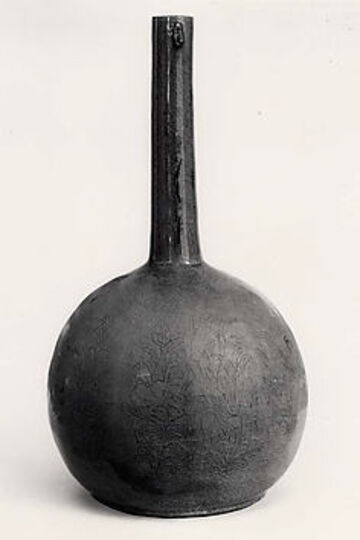
The Metropolitan Museum of Art
Bottle with Lotus Pond
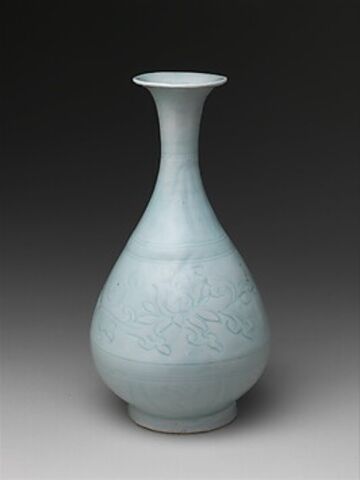
The Metropolitan Museum of Art
Bottle with Lotus Scroll
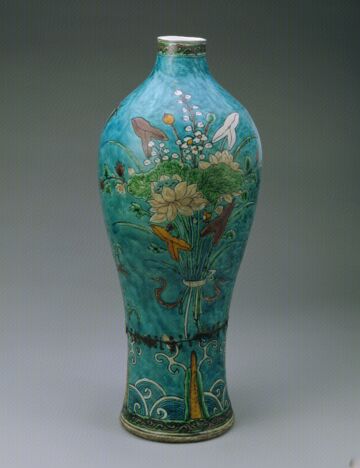
The Palace Museum
绿地三彩束莲纹瓶
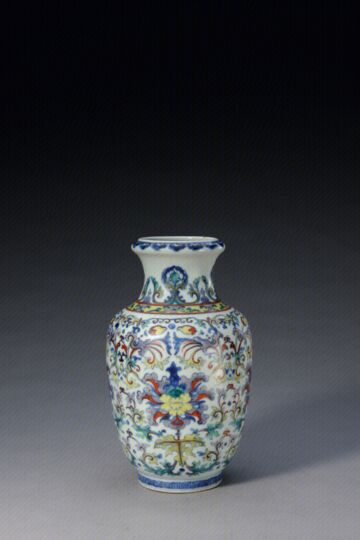
The Palace Museum
成化款斗彩缠枝莲纹瓶
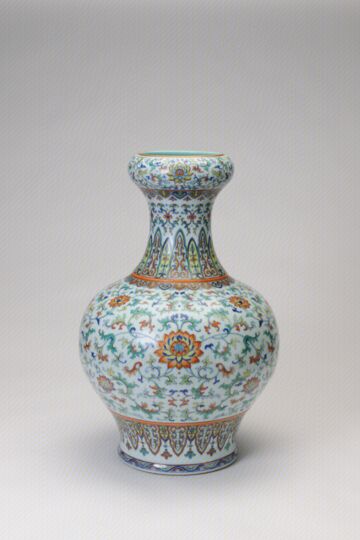
The Palace Museum
乾隆款斗彩缠枝莲纹瓶
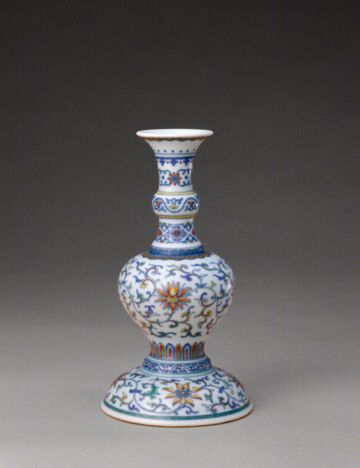
The Palace Museum
乾隆款斗彩缠枝莲纹甘露瓶
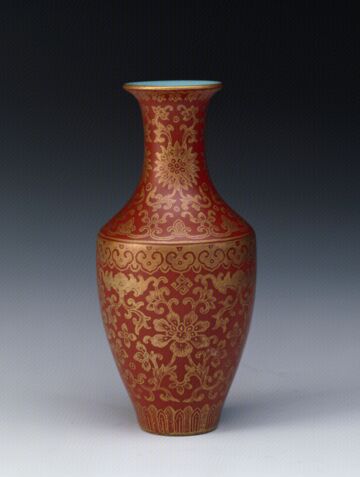
The Palace Museum
嘉庆款矾红地金彩缠枝莲纹瓶
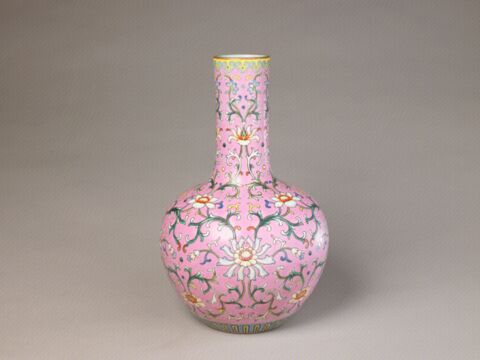
The Palace Museum
乾隆款粉地粉彩缠枝莲纹天球瓶
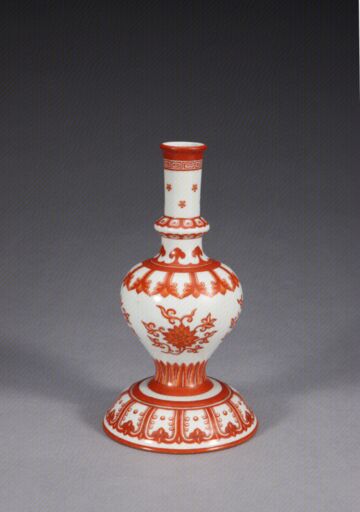
The Palace Museum
乾隆款白地矾红彩朵莲纹甘露瓶
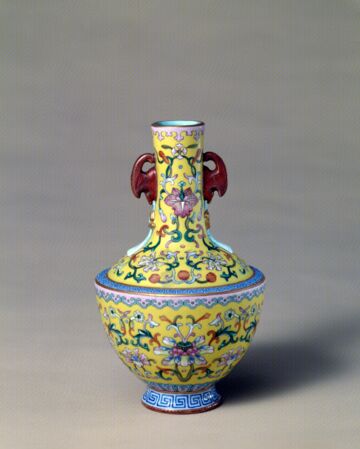
The Palace Museum
乾隆款黄地粉彩缠枝莲纹蝠耳瓶
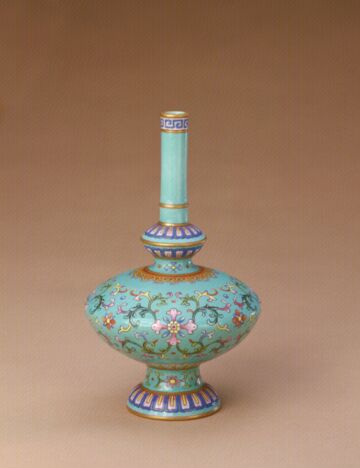
The Palace Museum
乾隆款绿地粉彩缠枝莲纹奔巴瓶
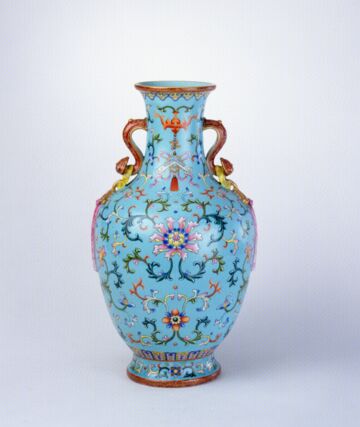
The Palace Museum
乾隆款绿地粉彩缠枝莲纹如意耳瓶
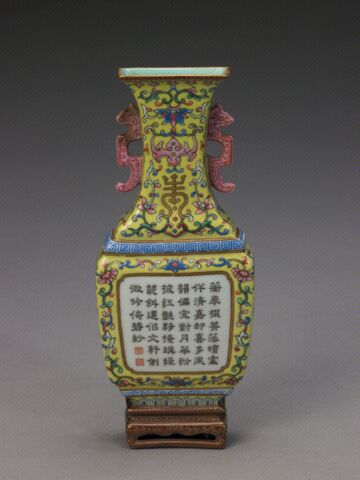
The Palace Museum
黄地粉彩勾莲纹开光诗句双耳壁瓶
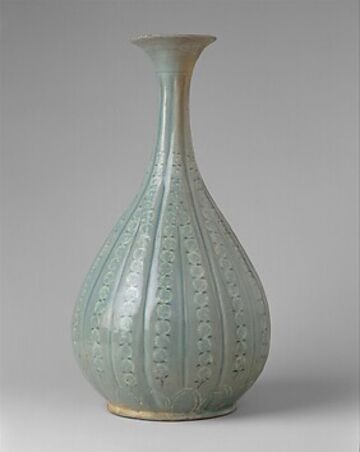
The Metropolitan Museum of Art
Bottle decorated with chrysanthemums and lotus petals
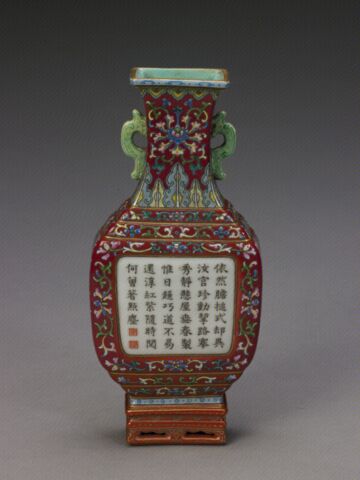
The Palace Museum
乾隆款紫地粉彩缠枝莲纹开光诗句双耳壁瓶
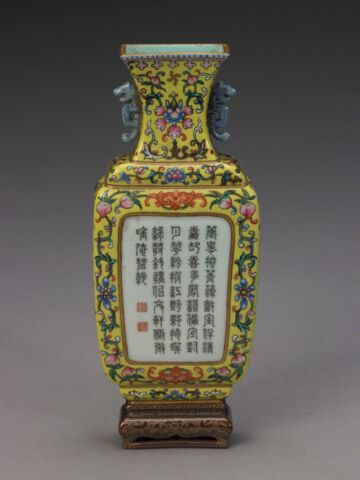
The Palace Museum
乾隆款黄地粉彩缠枝莲纹开光诗句双耳壁瓶
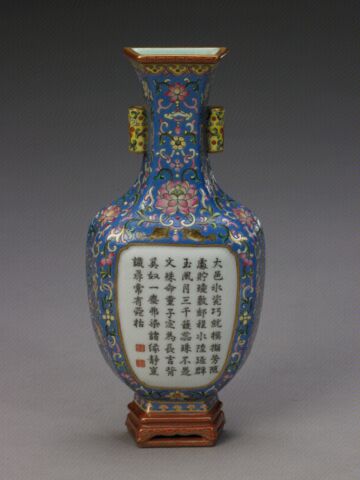
The Palace Museum
乾隆款蓝地粉彩缠枝莲纹开光诗句贯耳壁瓶
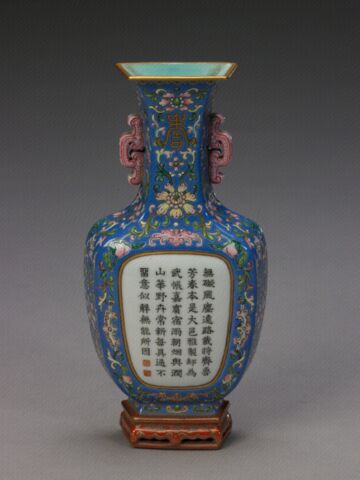
The Palace Museum
乾隆款蓝地粉彩缠枝莲纹开光诗句双耳壁瓶
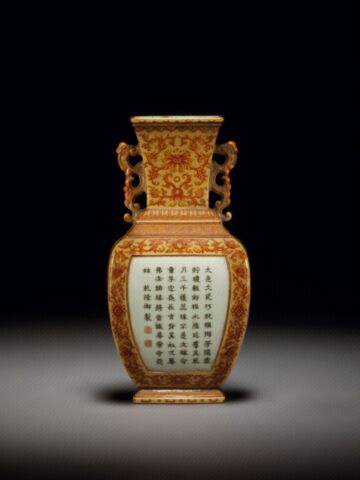
The Palace Museum
乾隆款米黄地红彩缠枝莲纹开光诗句双耳壁瓶
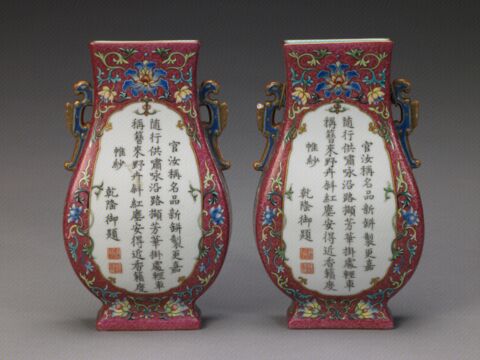
The Palace Museum
乾隆款紫地轧道粉彩缠枝莲纹开光墨彩诗句壁瓶
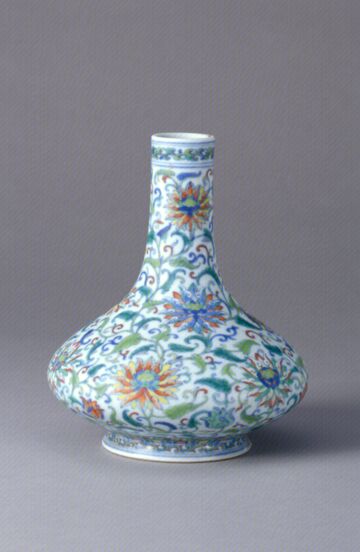
The Palace Museum
乾隆款斗彩缠枝莲纹荸荠扁瓶
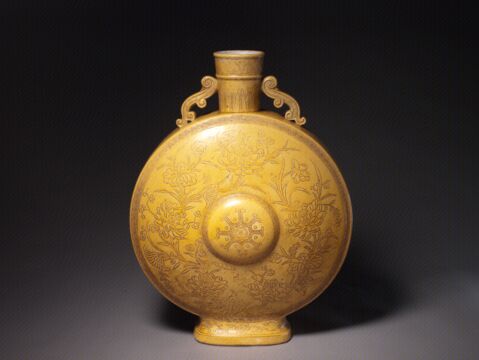
The Palace Museum
黄釉刻荷莲纹双耳宝月瓶
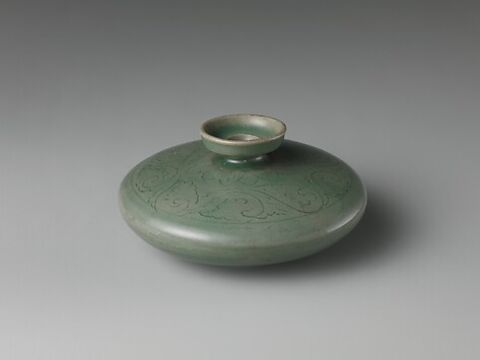
The Metropolitan Museum of Art
Oil bottle decorated with floral scrolls and lotus petals
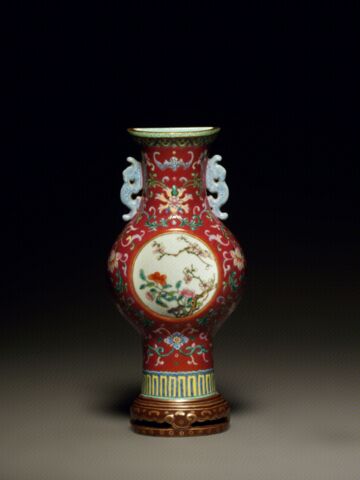
The Palace Museum