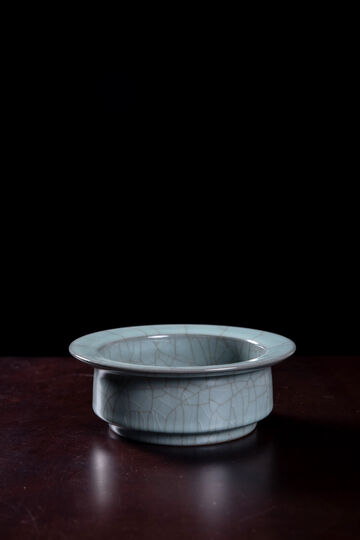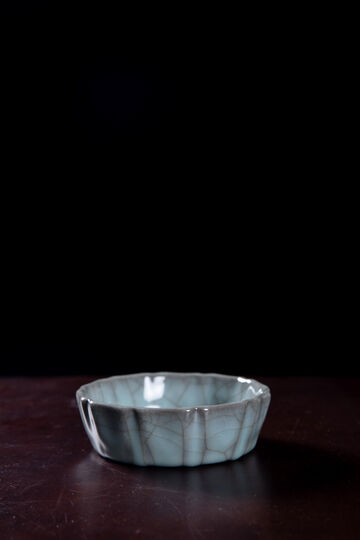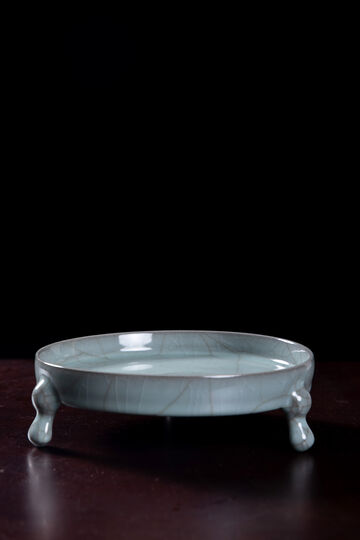
The Beast-Footed Washer, also known as a Cheng Pan, features a straight rim, shallow walls, and a flat base, supported by three sculpted beast-form feet arranged in a stable tripod configuration. The form is dignified and substantial, conveying a sense of restrained elegance. The glaze is smooth and gently lustrous, enhancing the vessel’s refined yet weighty presence.
Each beast foot is fully glazed and fired using the spur-support technique, a demanding method that allows for even glaze coverage while leaving subtle firing marks beneath the feet. The three-footed stance recalls the authoritative geometry of the ancient ding vessel, lending the piece both visual balance and symbolic gravity.
The form is derived from Han dynasty bronze trays, many examples of which were unearthed from the Dabaotai Han tomb complex. These bronze cheng pans were used to support wine cups and functioned as part of banquet and ritual drinking sets. Ceramic versions of the cheng pan first appeared at Northern Song Ru kiln sites, where they were referred to as “Beast-Footed Washers” and classified as refined objects for the scholar’s studio.
In the Southern Song dynasty, Guan ware continued this tradition, drawing directly from Ru ware precedents. Archaeological excavations at the Xiuneisi and Jiaotanxia Guan kiln sites have yielded numerous examples of this form, attesting to its popularity and official status. Over time, the vessel evolved from a banquet implement into a scholarly utensil, valued for both its historical associations and understated beauty.
The Beast-Footed Washer stands as a compelling example of how ancient bronze forms were reimagined in porcelain, bridging ritual heritage and literati culture. Equally suitable for display or use within a modern study, it embodies the enduring elegance and cultural depth of Song dynasty ceramic aesthetics.
- Classic Beast-Footed Washer (Cheng Pan form)
- Derived from Han dynasty bronze trays
- Three beast-form feet arranged in a stable tripod
- Fully glazed feet fired using spur-support technique
- Smooth, jade-like glaze with understated luster
- Documented in Ru ware and Southern Song Guan kiln archaeological sites
- A refined object for scholar’s studio or collection
| Body Clay | Iron-rich |
| Glaze | Tianqing |
| Firing | Reduction |
| Dimensions | Height: 5.4cm Width: 18.8cm |
| Size Type | Standard |
| Style | Traditional |
| Function | Vase,Decor,Collectible |
Zhang Haiyang
Typologies Preserved Across Dynasties
For scholarly validation, cross-reference the structural glaze profiles and profile matrices of this contemporary creation against globally cataloged archetypes held in museum sanctuaries.
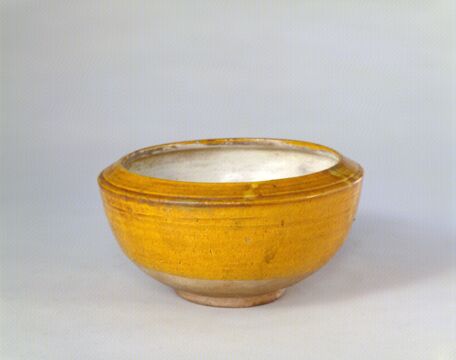
The Palace Museum
黄釉洗
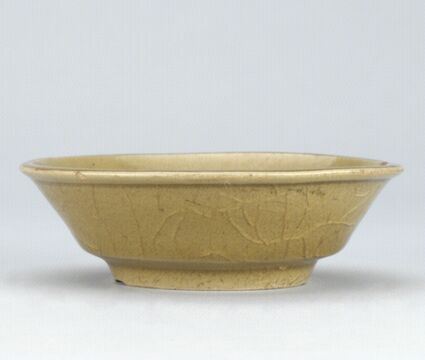
The Palace Museum
黄釉洗
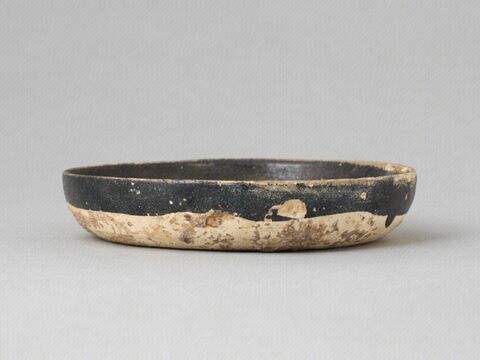
The Palace Museum
蓝釉洗
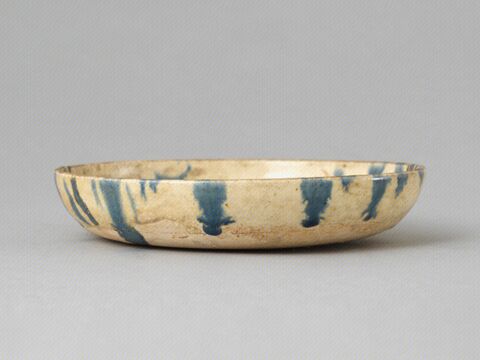
The Palace Museum
三彩洗
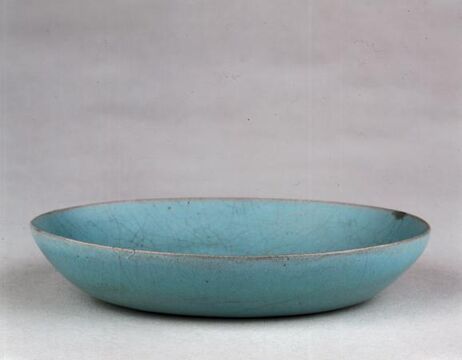
The British Museum
brush-washer
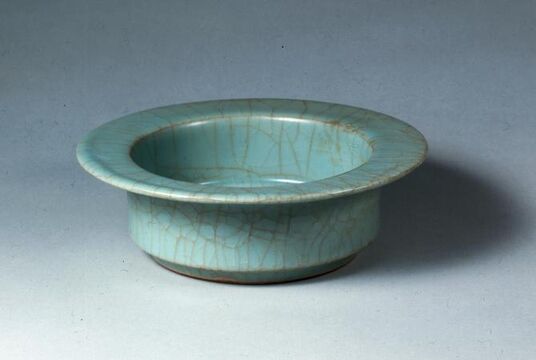
The British Museum
brush-washer
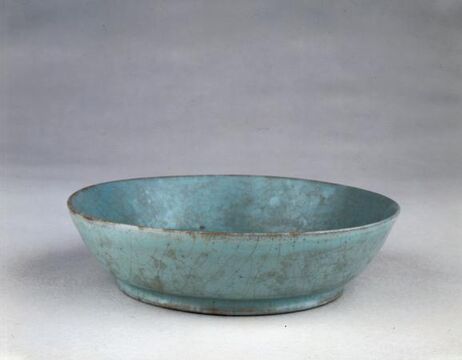
The British Museum
brush-washer
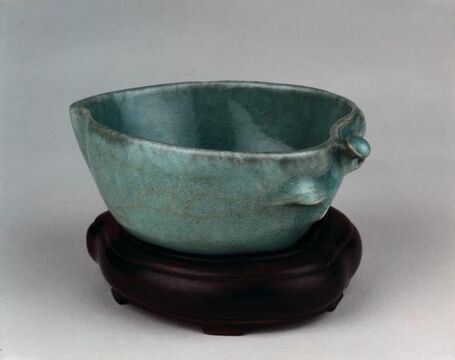
The British Museum
brush-washer
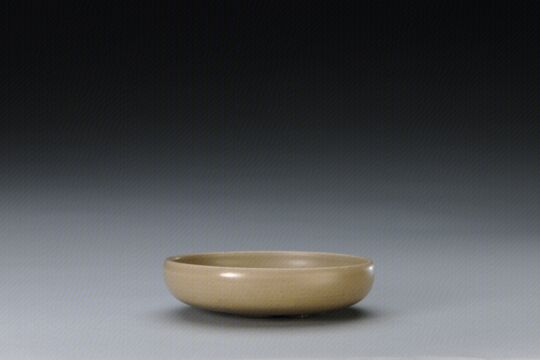
The Palace Museum
青黄釉洗
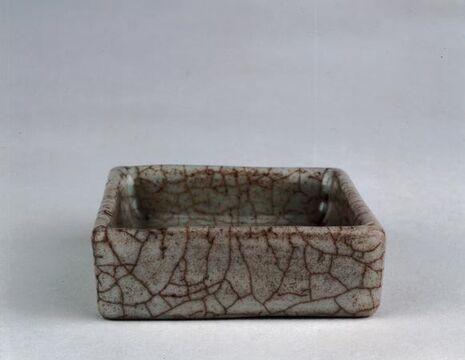
The British Museum
brush-washer
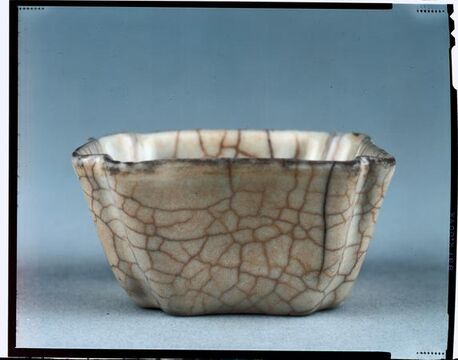
The British Museum
brush-washer
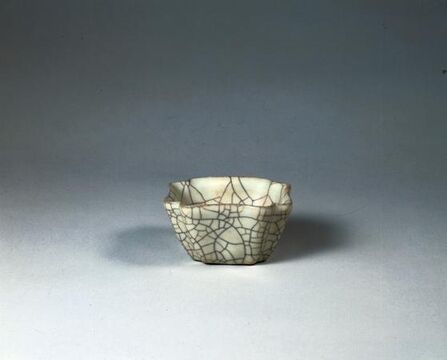
The British Museum
brush-washer
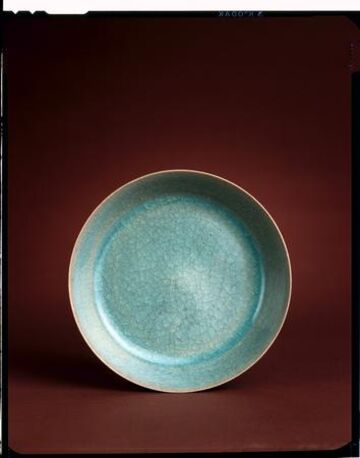
The British Museum
brush-washer
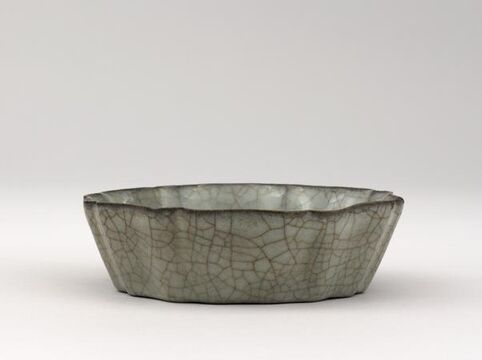
The British Museum
brush-washer
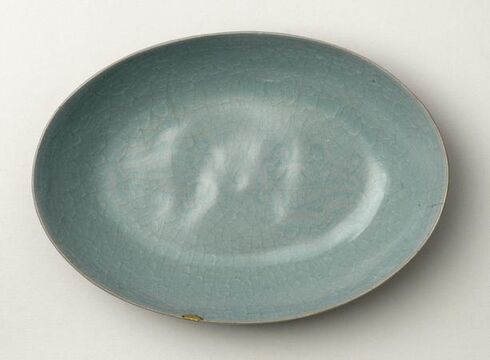
The British Museum
brush-washer
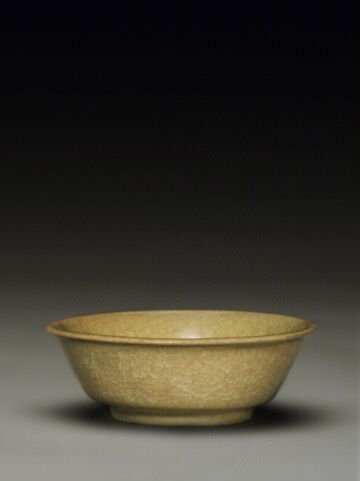
The Palace Museum
青黄釉洗
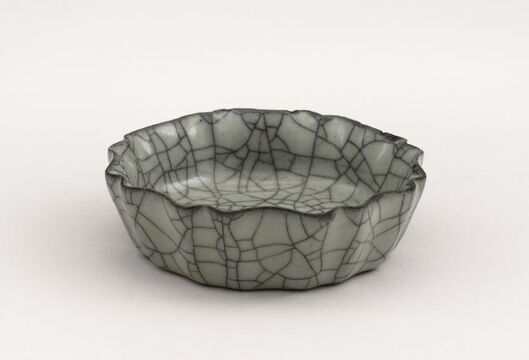
The British Museum
brush-washer
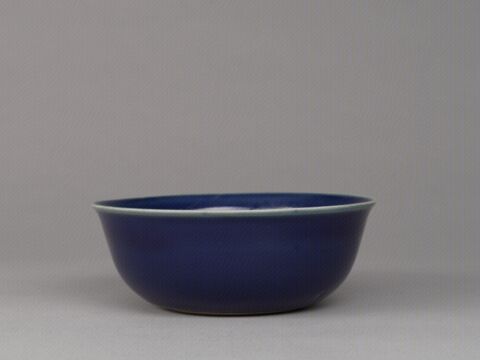
The Palace Museum
祭蓝釉洗
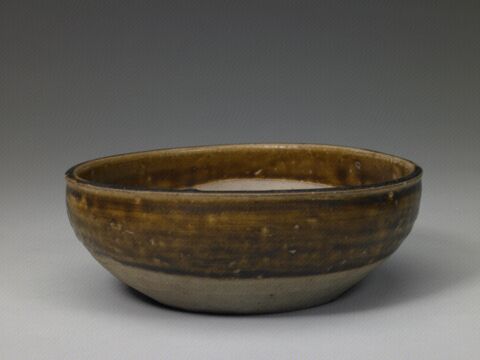
The Palace Museum
褐色釉洗
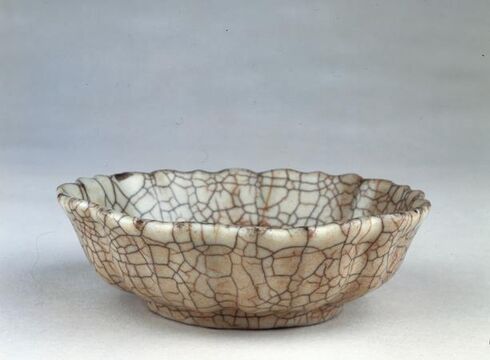
The British Museum
brush-washer
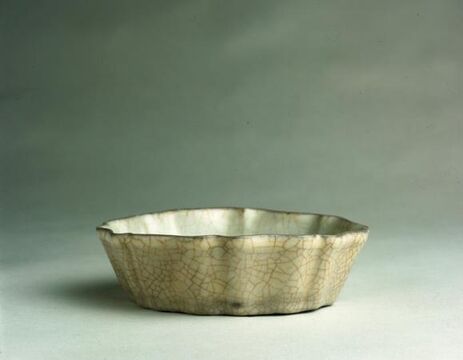
The British Museum
brush-washer
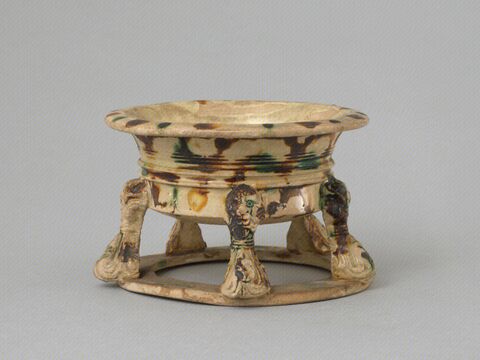
The Palace Museum
三彩五足洗