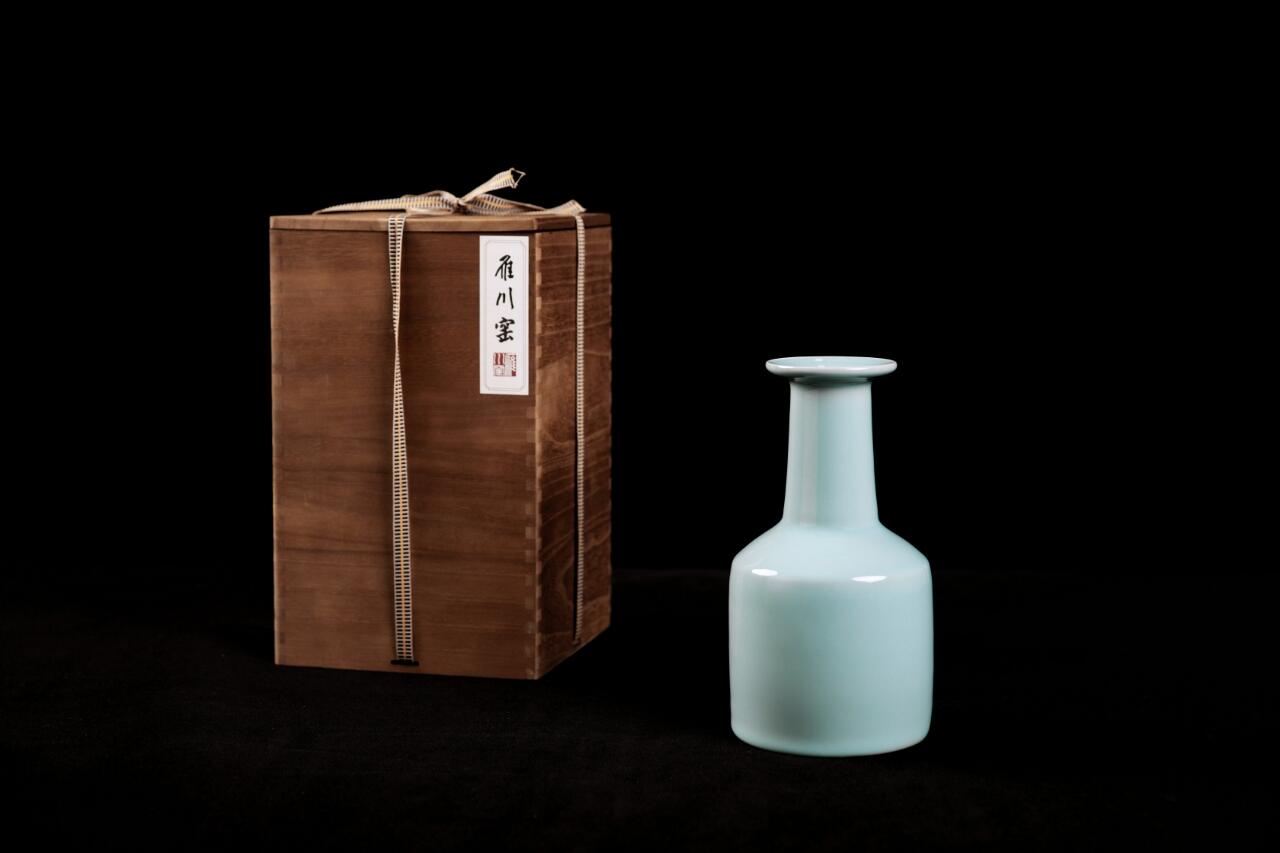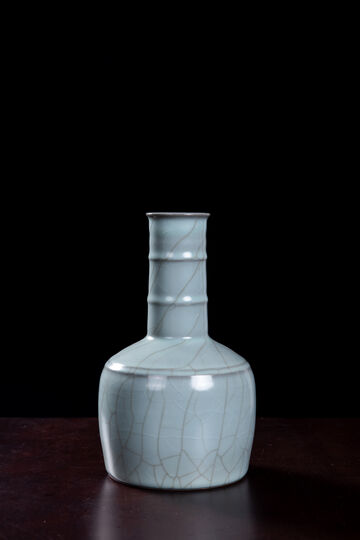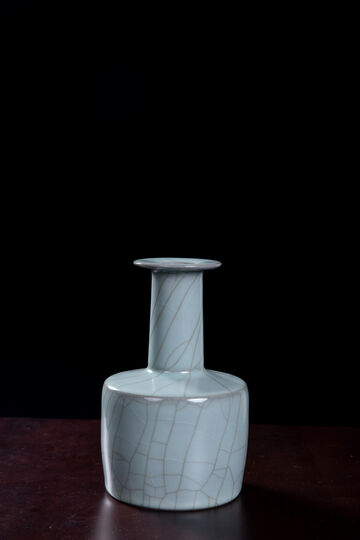
A quintessential example of Southern Song Official Kiln and Longquan Kiln porcelain, the Rimmed Paper-Mallet Vase embodies the refined elegance and harmonious proportions of China’s classical ceramic traditions. The slender, elongated neck flows gracefully downward, merging seamlessly with a straight, cylindrical body defined by clean, bold lines. The contrast between the flowing neck and the solid body creates a strikingly balanced, dignified silhouette, highlighting the simplicity and sophistication characteristic of Song dynasty aesthetics.
Coated in a soft, luminous glaze of gentle, warm tones, the vase exudes subtle refinement, appealing to both the eye and the touch. Its unique shape, reminiscent of a traditional “papermallet,” gives the form its evocative name: Paper-Mallet Vase.
Produced across celebrated kilns including Longquan, Ru, Southern Song Official, Ding, Ge, and Yaozhou, the finest examples from the Southern Song and early Yuan periods are particularly prized for their flawless proportions and elegant lines. Collectors highly value these pieces for their timeless beauty, serene glaze, and historical significance, making them coveted treasures in fine Chinese porcelain collections.
- Timeless Elegance: Classical Song dynasty shape with a graceful, elongated silhouette.
- Exquisite Craftsmanship: Harmonious contrast between flowing neck and bold cylindrical body.
- Refined Glaze: Soft, warm, and luminous, enhancing the vase’s tactile and visual appeal.
- Collector’s Treasure: Especially sought after from Southern Song and early Yuan periods.
- Museum-Quality Display: Perfect for private collections, luxury interiors, or exhibitions.
| Body Clay | Iron-rich |
| Glaze | Tianqing |
| Firing | Reduction |
| Dimensions | Height: 22.2cm Width: 14.3cm |
| Size Type | Standard |
| Style | Traditional |
| Function | Decor,Collectible |
Zhang Haiyang
Typologies Preserved Across Dynasties
For scholarly validation, cross-reference the structural glaze profiles and profile matrices of this contemporary creation against globally cataloged archetypes held in museum sanctuaries.
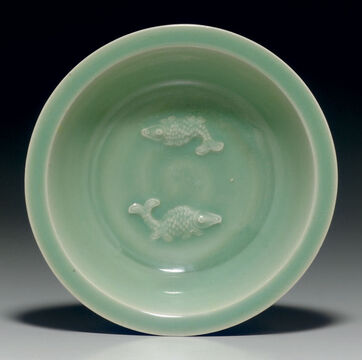
Christie's Auction House
A 'Kinuta' Longquan Celadon 'Twin Fish' Dish
Realised: USD 16,250
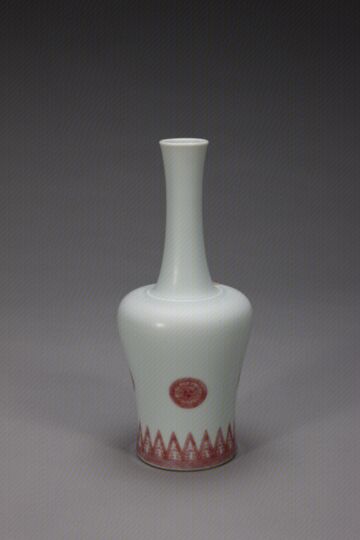
The Palace Museum
康熙款釉里红纸槌瓶
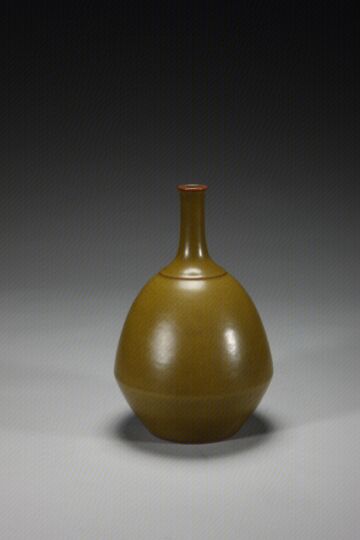
The Palace Museum
雍正款茶叶末釉纸槌瓶
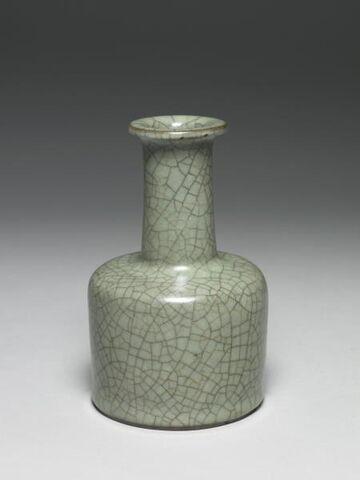
The National Palace Museum
Mallet vase
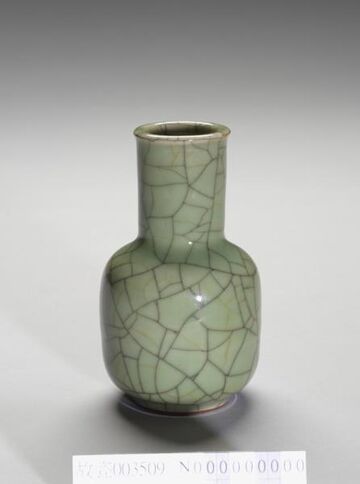
The National Palace Museum
Mallet-shaped vase
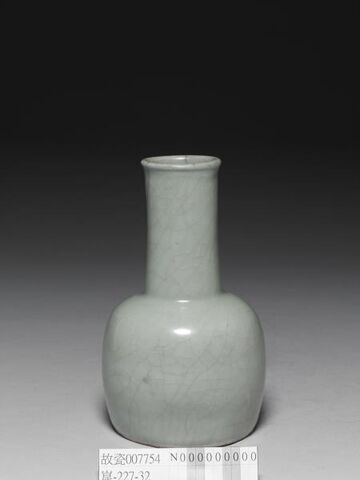
The National Palace Museum
Mallet-shaped vase
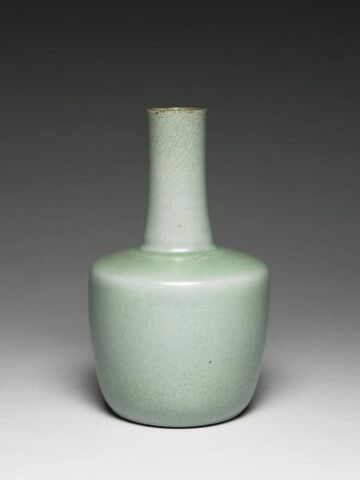
The National Palace Museum
Mallet-shaped vase
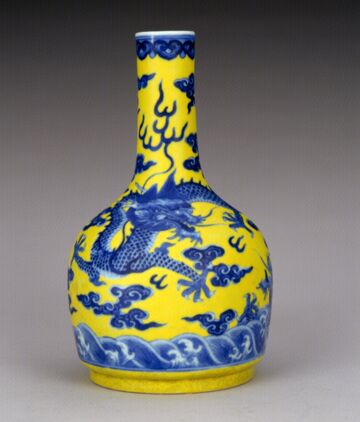
The Palace Museum
嘉庆款黄地青花云龙纹纸槌式瓶
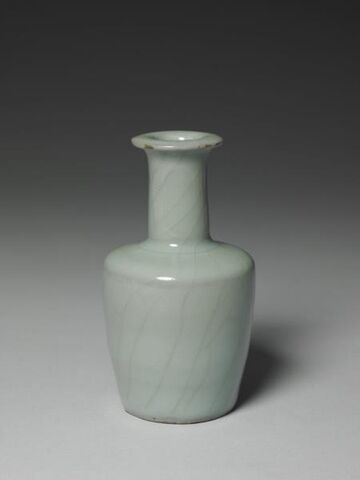
The National Palace Museum
Mallet-shaped vase
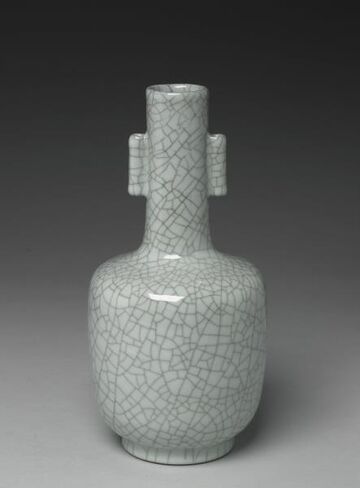
The National Palace Museum
Mallet-shaped vase with tublar handles
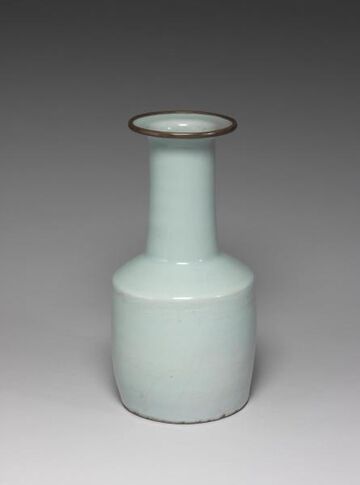
The National Palace Museum
Mallet-shaped vase
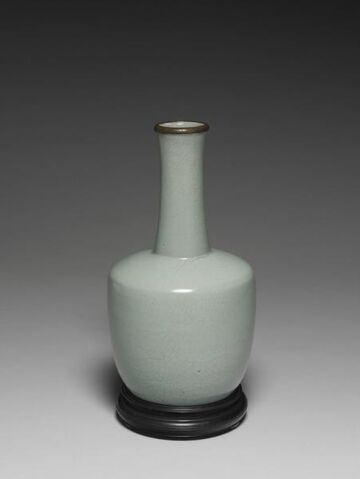
The National Palace Museum
Feng-hua mallet vase with greenish-blue glaze, Ru ware
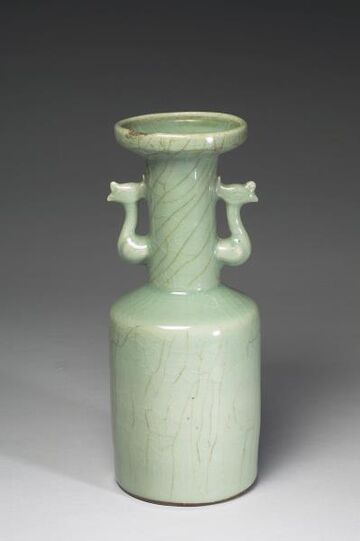
The National Palace Museum
Mallet-shaped vases with handles
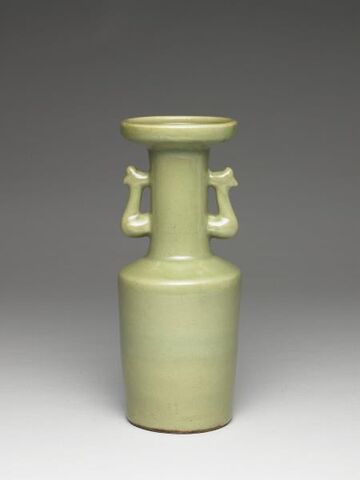
The National Palace Museum
Mallet-shaped vases with handles
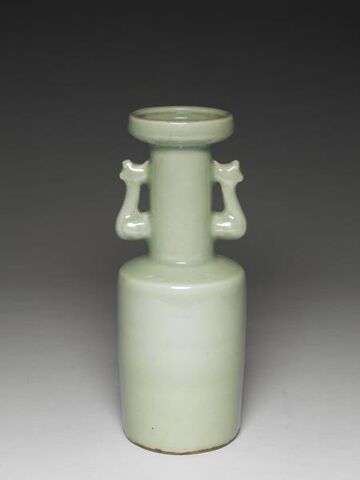
The National Palace Museum
Mallet-shaped vases with handles
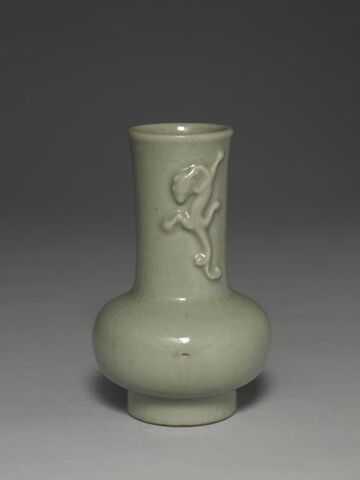
The National Palace Museum
Mallet-vase with chi-dragon decoration
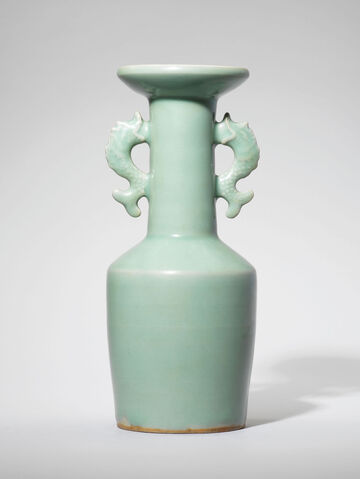
Christie's Auction House
A Longquan Celadon ‘Kinuta’ Mallet Vase
Realised: HKD 1,000,000
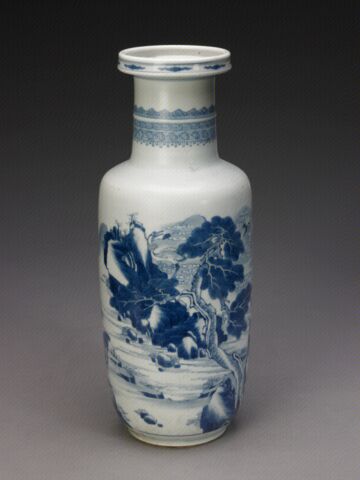
The Palace Museum
青花松鹿图纸槌瓶
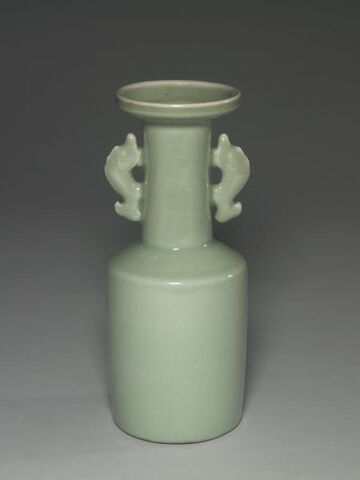
The National Palace Museum
Mallet-shaped vase with handles
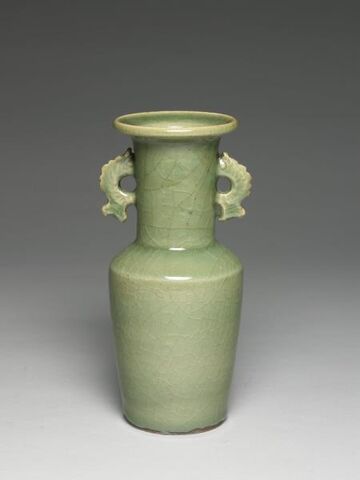
The National Palace Museum
Mallet-shaped vase with handles
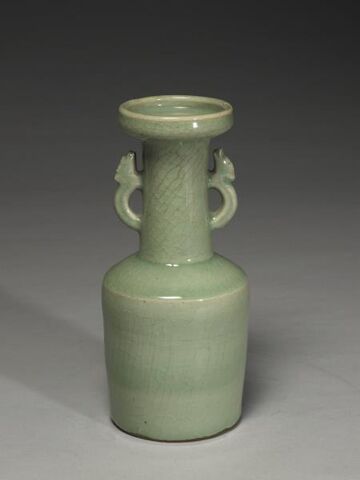
The National Palace Museum
Mallet-shaped vase with animal-shaped handles
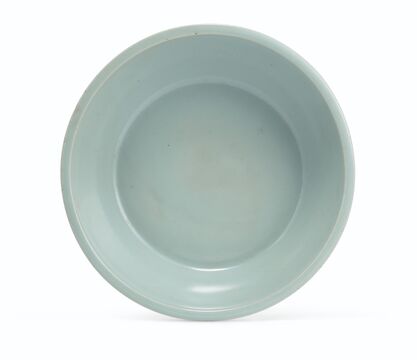
Christie's Auction House
A Superb 'Kinuta' Longquan Celadon Washer
Realised: USD 495,000