
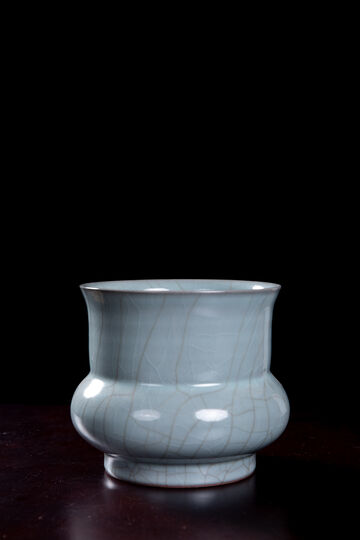
Inspired by Southern Song official kiln ceramics, this tea waste vessel achieves a perfect harmony between functionality and refined display. Its wide mouth, short neck, and rounded, full-bodied form evoke the dignified presence of traditional Song-era wares, while embracing a clean, modern simplicity. Crafted with a dense iron clay body, the vessel’s surface is coated in a serene sky-blue glaze (tianqing), clear and luminous like the sky after rainfall. The natural crackle network on the glaze captures light and shadow, creating a subtle tapestry of time and texture.
Every piece is meticulously handmade, maintaining precise proportions and even glaze coverage despite its generous volume, demonstrating the exceptional skill of the artisan. Historically, the zhadou was used for collecting tea residue, but in contemporary contexts it transforms into both a functional tea accessory and a tasteful decorative object. Placed on a scholar’s desk, tea table, or shelf, the vessel’s soft glaze and elegant contours complement modern interiors while evoking classical charm.
- Faithful reinterpretation of Southern Song official kiln tea wares
- Wide-mouthed, short-neck, rounded form balances tradition and modern simplicity
- Crafted in dense iron clay for durability and refined texture
- Sky-blue (tianqing) glaze with natural crackle patterns, unique to each piece
- Functional as a tea waste vessel or versatile as a decorative display
- Exemplifies Southern Song ceramic artistry with contemporary aesthetic appeal
- Perfect for collectors, tea enthusiasts, or those seeking elegant scholarly decor
- Elevates a practical object into a refined art piece with lasting collectible value
| Body Clay | Iron-rich |
| Glaze | Tianqing |
| Firing | Reduction |
| Dimensions | Height: 14.2cm Width: 16.2cm |
| Size Type | Large |
| Style | Traditional |
| Function | Decor,Collectible |
Zhang Haiyang
Typologies Preserved Across Dynasties
For scholarly validation, cross-reference the structural glaze profiles and profile matrices of this contemporary creation against globally cataloged archetypes held in museum sanctuaries.
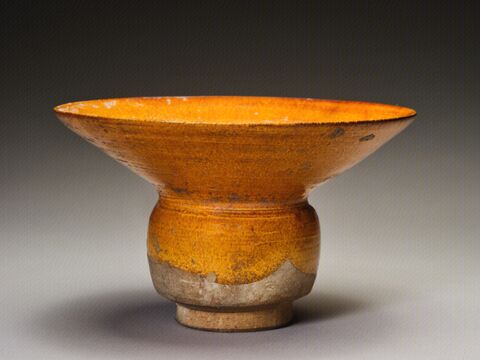
The Palace Museum
黄釉渣斗
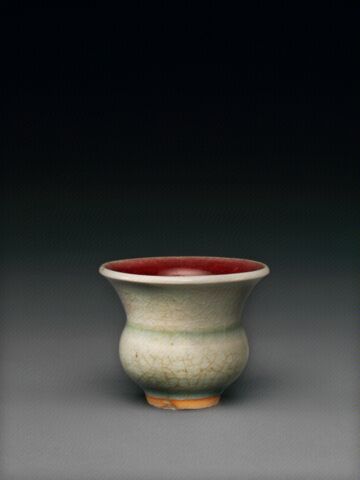
The Palace Museum
郎窑红釉渣斗
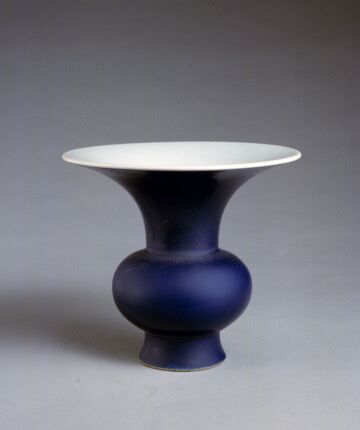
The Palace Museum
雍正款祭蓝釉渣斗
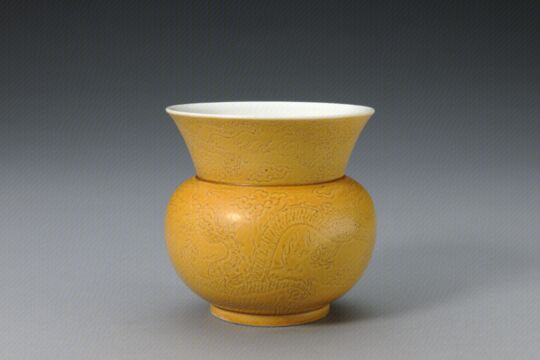
The Palace Museum
同治款黄釉云龙纹渣斗
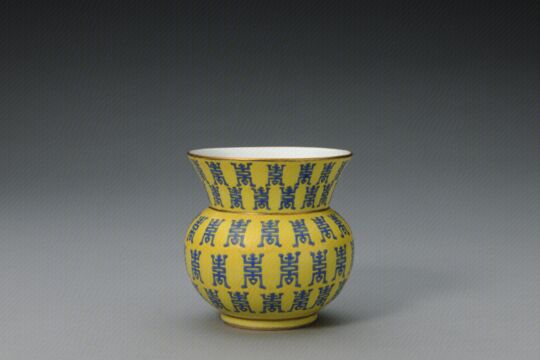
The Palace Museum
同治款黄地蓝彩寿字渣斗
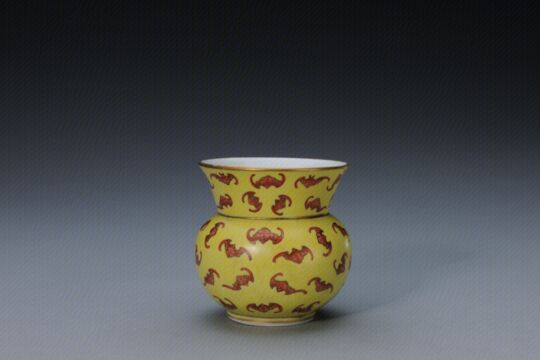
The Palace Museum
同治款黄地矾红彩蝠纹渣斗
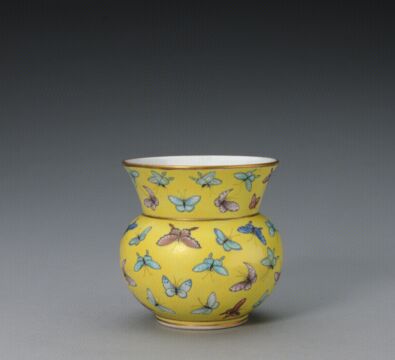
The Palace Museum
同治款黄地粉彩蝴蝶纹渣斗
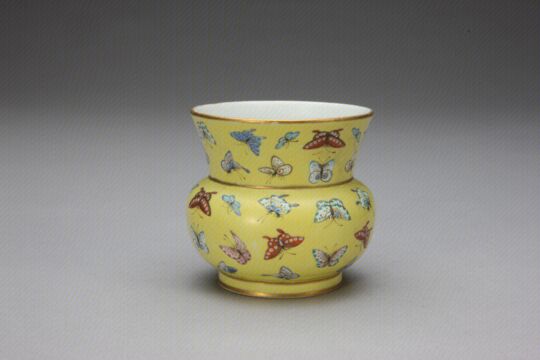
The Palace Museum
同治款黄地粉彩蝴蝶纹渣斗
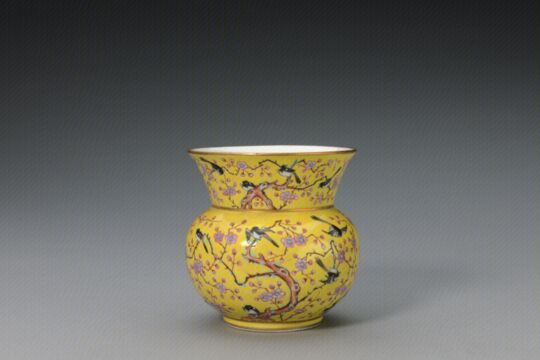
The Palace Museum
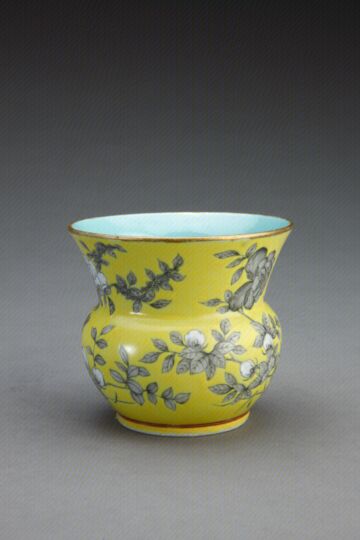
同治款黄地粉彩梅鹊图渣斗
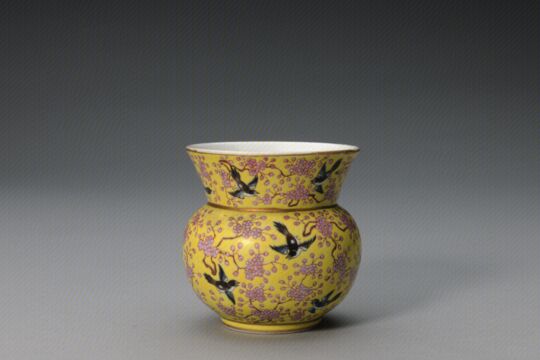
The Palace Museum
同治款黄地粉彩梅鹊图渣斗
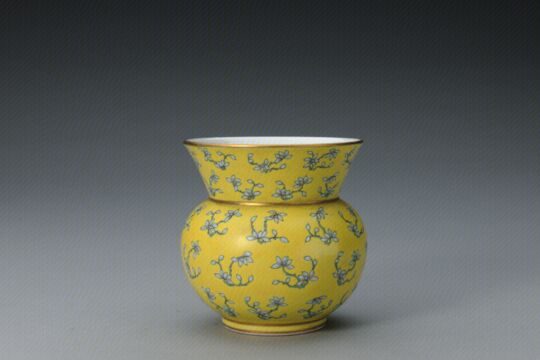
The Palace Museum
同治款黄地粉彩朵兰纹渣斗
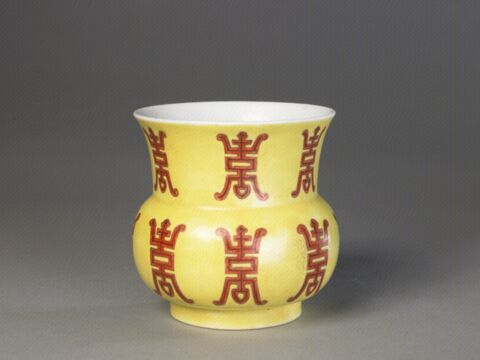
The Palace Museum
同治款黄地红彩“寿”字渣斗
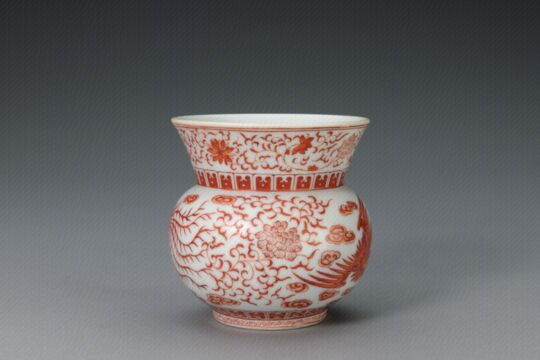
The Palace Museum
同治款白地矾红彩丹凤纹渣斗
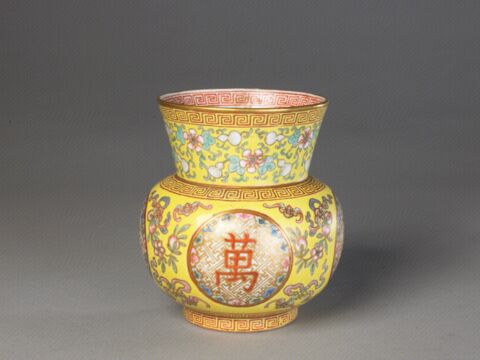
The Palace Museum
黄地粉彩开光“万寿无疆”渣斗
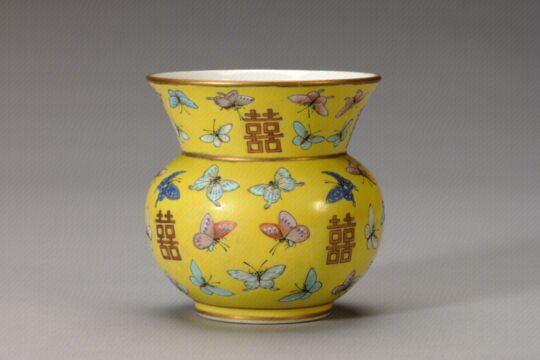
The Palace Museum
同治款黄地粉彩喜字蝴蝶纹渣斗
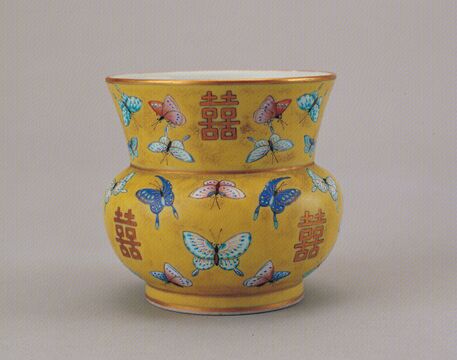
The Palace Museum
同治款黄地粉彩喜字蝴蝶纹渣斗
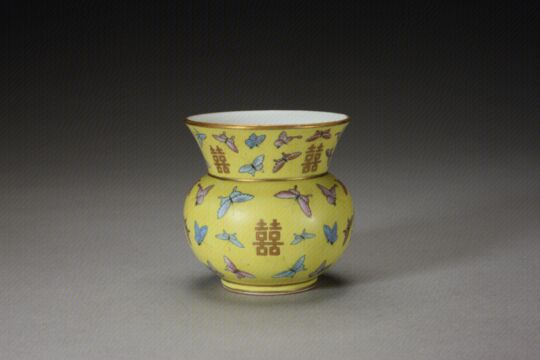
The Palace Museum
同治款黄地粉彩喜字蝴蝶纹渣斗
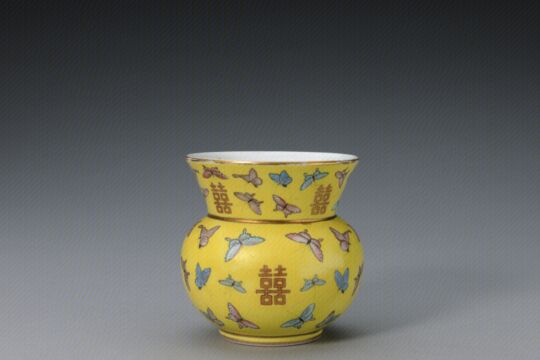
The Palace Museum
同治款黄地粉彩蝴蝶纹“喜”字渣斗
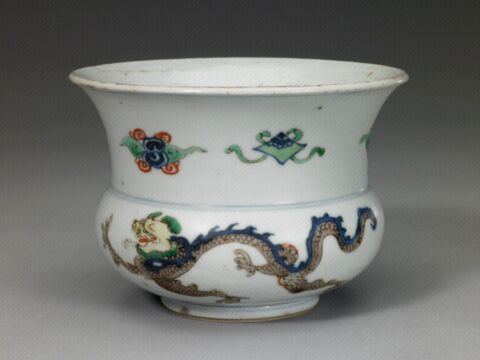
The Palace Museum
五彩龙纹渣斗
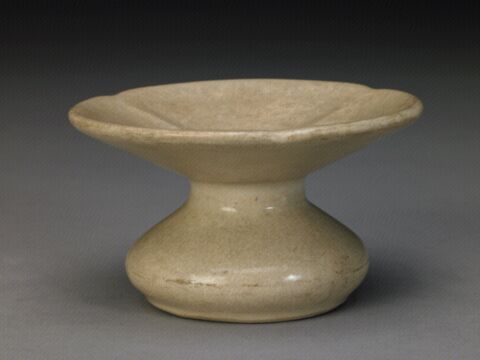
The Palace Museum
白釉渣斗
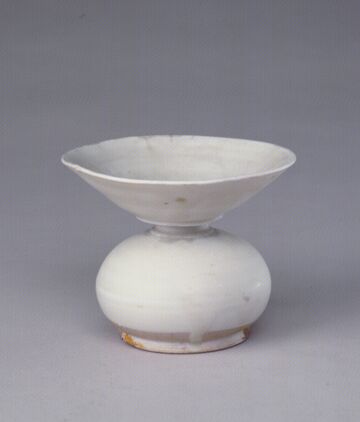
The Palace Museum
白釉渣斗
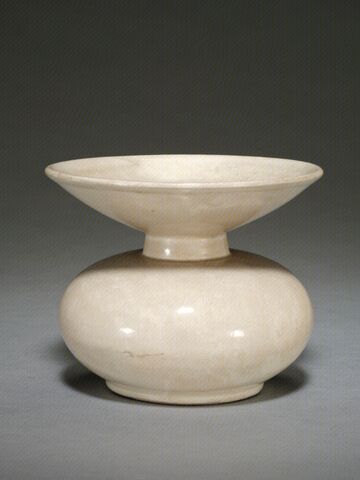
The Palace Museum
白釉渣斗
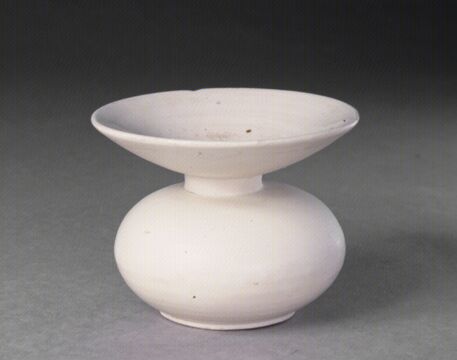
The Palace Museum
白釉渣斗
The Palace Museum