Historic Ceramic Art, Cultural Heritage, Museum Collections & Auction Provenance.
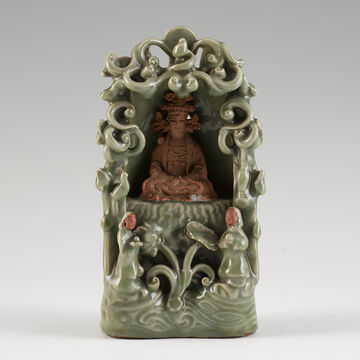
Rendered in a rich celadon glaze, this devotional shrine incorporates architectural detailing and sculptural modeling typical of Longquan kilns producing Buddhist icons during the Ming dynasty.
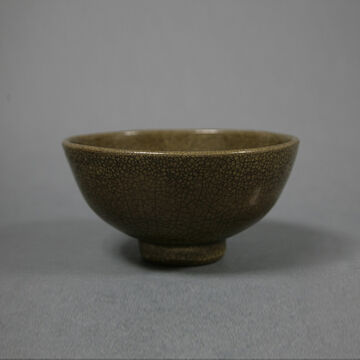
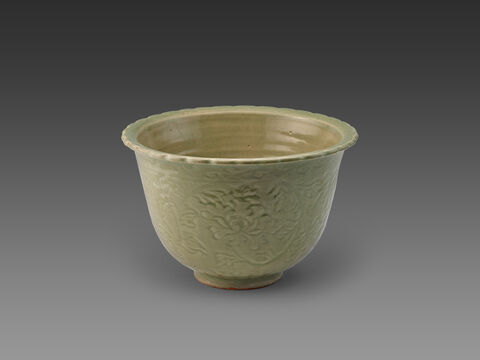
Potted with upright curving walls over a neat footring, this bowl showcases a monochrome celadon glaze of uniform, warm olive-green tone.
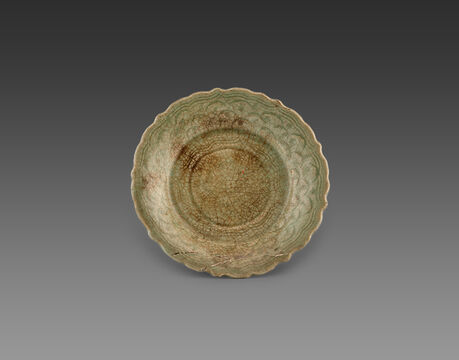
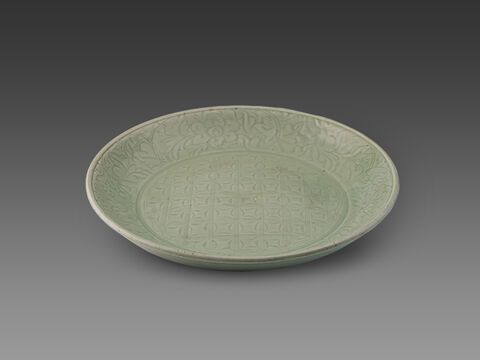
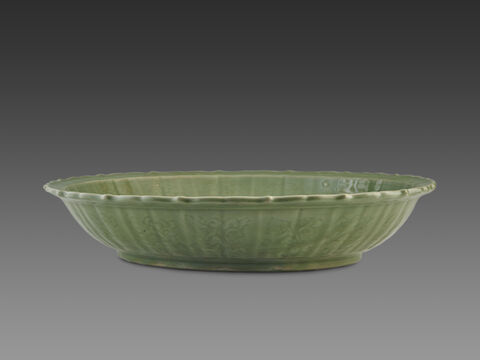
Featuring a barbed mallow-shaped rim, this dish includes finely molded and incised 'anhua' (secret decoration) blossoms beneath an unctuous, light green glaze.
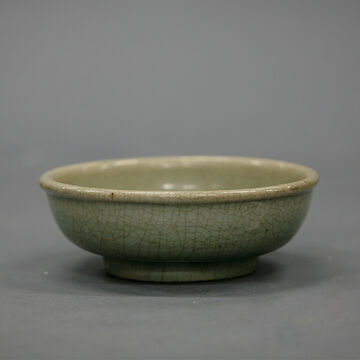
With deep flaring sides supported on a cut footring, this bowl displays an unadorned, calming green glaze showing the natural elegance of Ming Longquan craftsmanship.
The interior well features a stylized geometric grid or lattice pattern under an unctuous celadon glaze, illustrating decorative diversity in Ming Longquan kilns.
The central medallion is deeply incised with an auspicious branch of leafy, knobby lychee fruit, surrounded by a fluted cavetto under a glossy celadon glaze.
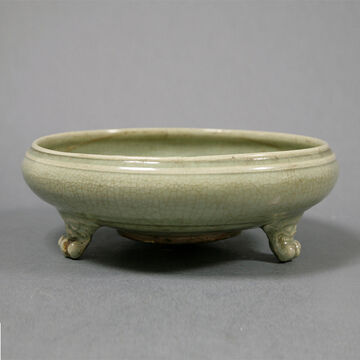
This scholar's basin features a wide circular opening and flattened base supported on three stubby feet, covered in an unctuous olive-green glaze.
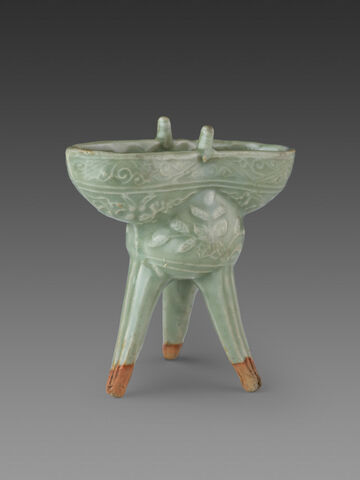
Reviving ancient bronze ritual forms, this jue cup has a spouted lip, upright side posts, three blade legs, and molded archaic patterns under a celadon glaze.
This substantial vessel features thick potted walls and drainage openings at the base, covered in a glossy, durable celadon glaze.
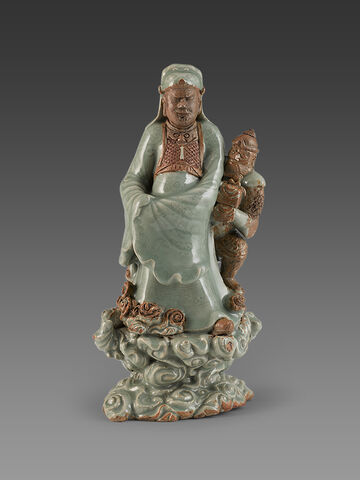
A Ming dynasty Longquan celadon sculpted figure depicting deity Guan Yu, with unglazed biscuit areas highlighting facial features and armor.
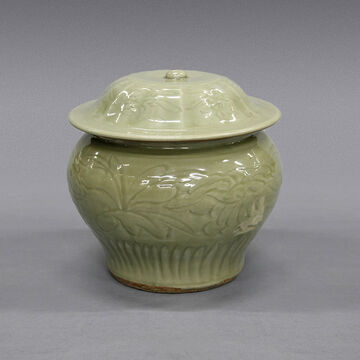
A Ming dynasty Longquan celadon baluster jar and fitted flat cover, carved with scrolling foliage beneath an olive-green monochrome glaze.
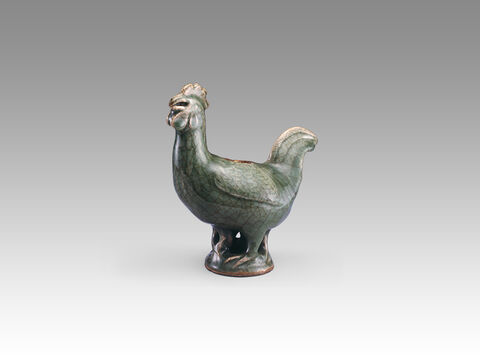
A Ming dynasty Longquan celadon figurine molded naturalistically as a standing rooster with unglazed comb details.