Historic Ceramic Art, Cultural Heritage, Museum Collections & Auction Provenance.
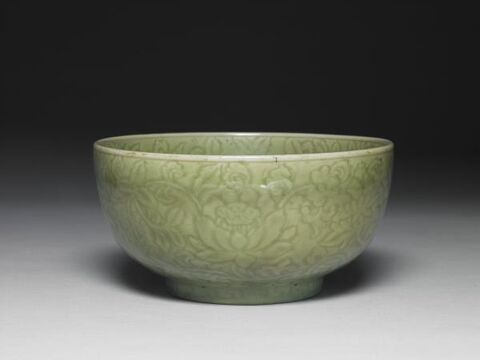
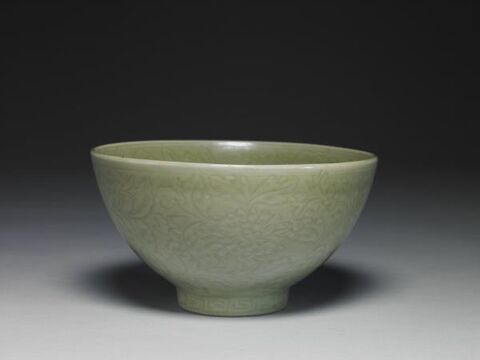
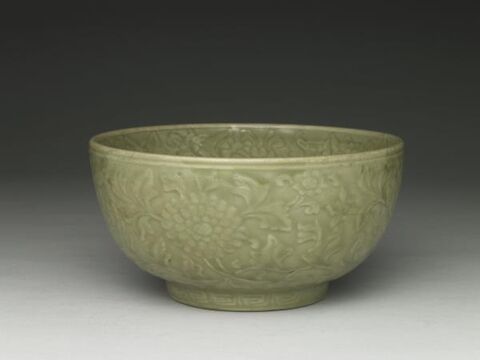
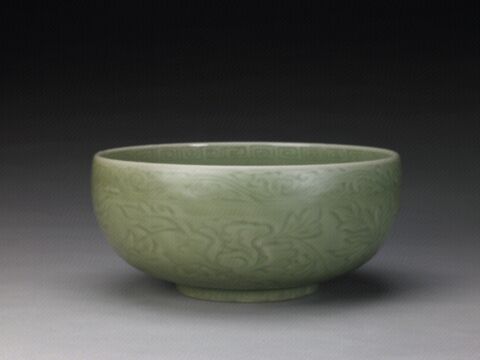
Carved with graceful botanical registers representing seasonal blooms, this finely thrown bowl is covered with a jade-like celadon glaze characteristic of early-to-mid Ming Longquan imperial commissions.
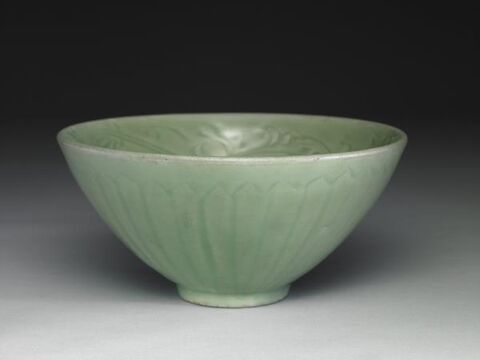
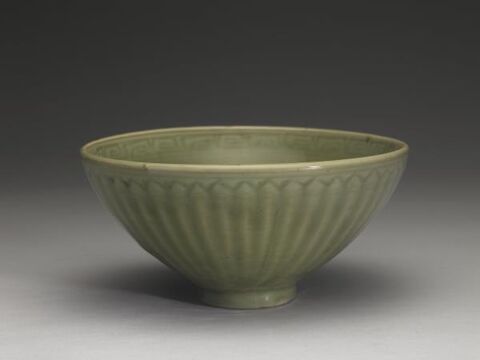
Crafted during the height of early Ming Longquan production, the exterior is carved with upright lotus petals in relief, blanketed in a thick, semi-opaque celadon glaze.
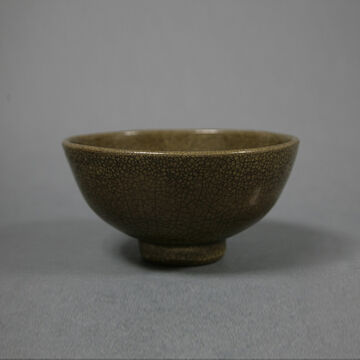
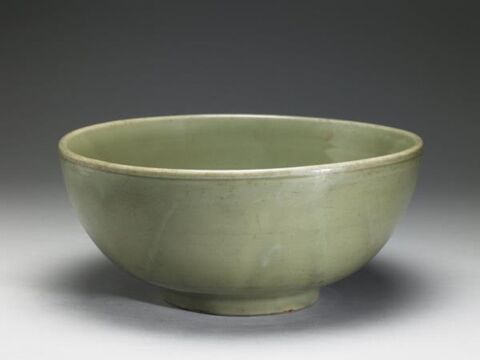
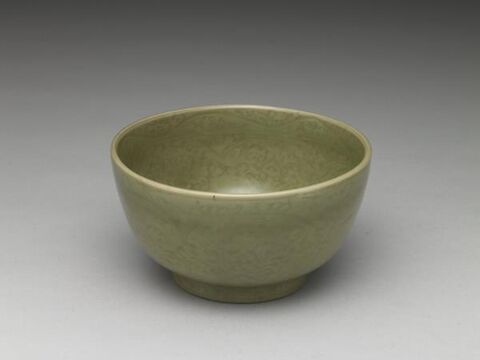
Potted with upright curving walls over a neat footring, this bowl showcases a monochrome celadon glaze of uniform, warm olive-green tone.
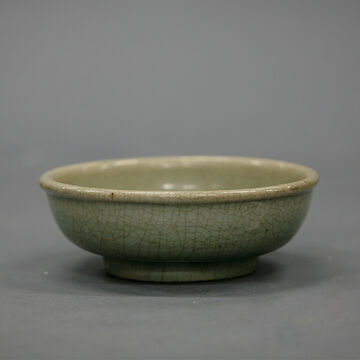
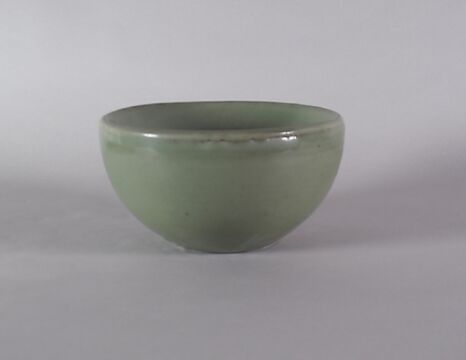
With deep flaring sides supported on a cut footring, this bowl displays an unadorned, calming green glaze showing the natural elegance of Ming Longquan craftsmanship.
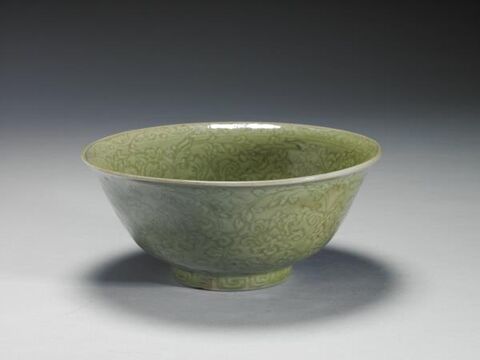
This bowl has robust potting, incised interior and exterior botanical motifs, and a rich, oily celadon glaze consistent with 15th-century Ming kilns.
A sturdy bowl featuring fine molded trellis and latticework diaper bands across its interior, enveloped in a saturated, glossy celadon glaze.
Designed with a hollow double-walled cavity to hold hot water and keep food warm, this functional bowl is finished in an unctuous green celadon glaze.
The interior and cavetto are carved with peony, lotus, chrysanthemum, and plum blossoms, blanketed in a lustrous, glassy celadon glaze.
Incised with scrolling Indian lotus blossoms (baoxianghua) around the exterior and interior cavetto, coated in an even, smooth green celadon glaze.
This bowl has deep, curving walls and an incised central flowering spray, enveloped in an unctuous olive-celadon glaze.
Following Southern Song prototypes, this early Ming bowl features carved upright lotus petals around the outside beneath a thick, lustrous green celadon glaze.
The interior well is incised with a vibrant peony spray with combed leaves, framed by an unctuous, glass-smooth celadon glaze.