Historic Ceramic Art, Cultural Heritage, Museum Collections & Auction Provenance.
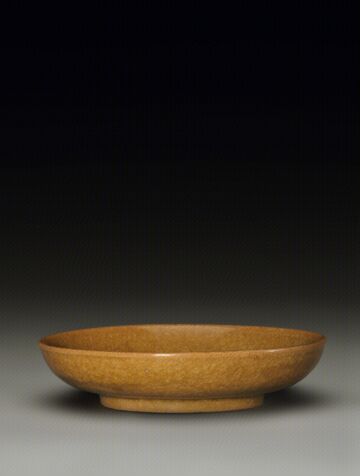
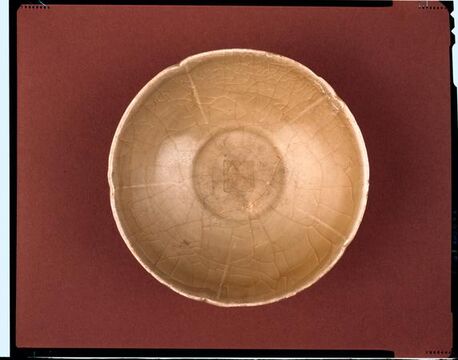
A Yuan dynasty dish covered in an olive-yellowish glaze with crisp molded floral relief in the center.
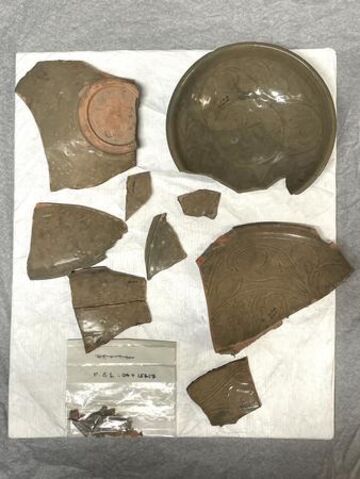
A celadon-glazed ceramic vessel from the British Museum collection dating between the 12th and 14th centuries.
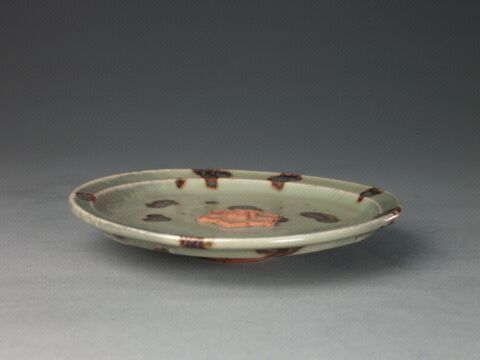
A Yuan dynasty celadon dish ornamented with rhythmic spots of iron-oxide brown (tobi seiji) creating visual interest against the green ground.
A Yuan dynasty celadon bowl in the Shanghai Museum, exhibiting deep conical walls and a thick, glassy sea-green glaze.
A Song to Yuan dynasty Longquan celadon dish displaying an unadorned center and an unctuous sea-green glaze.
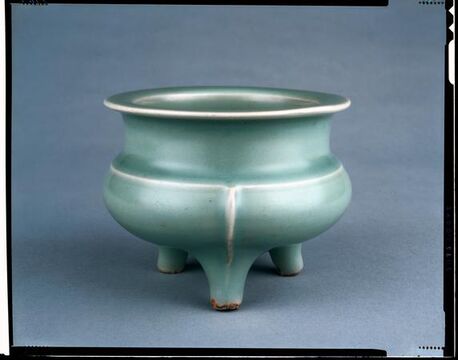
A 13th-century celadon tripod censer supported on three conical feet, showcasing a smooth, jade-like green glaze.
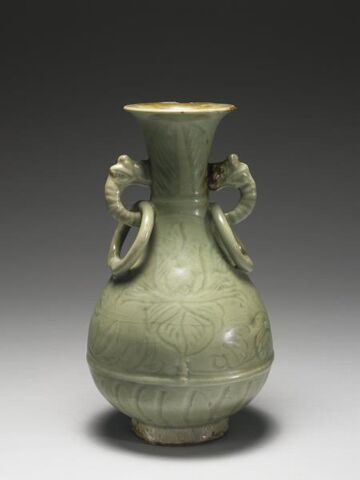
Dating between 1350 and 1430, this celadon vase features archaic animal-mask handles suspending rings at the neck beneath a thick green glaze.
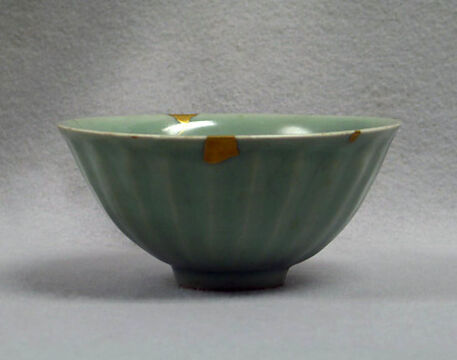
A 13th-century Longquan celadon bowl showing deep conical walls and a soft, jade-toned powder-green glaze.
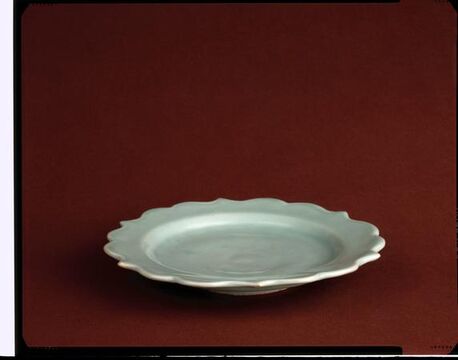
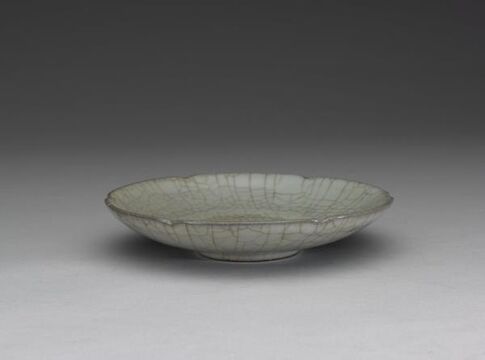
A delicately potted celadon saucer dish featuring an undulating petal-lobed rim echoing a blooming hibiscus flower, covered in an unctuous glaze.
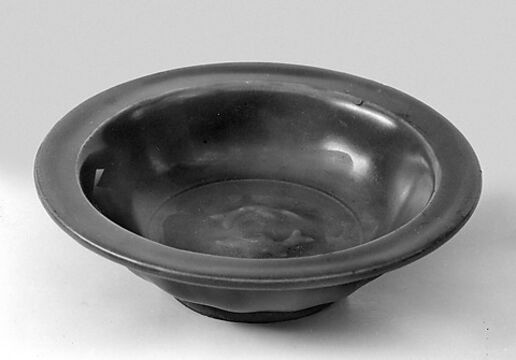
A 13th-century celadon basin featuring twin fish molded in relief at the center, signifying harmony and abundance, covered in a glossy sea-green glaze.
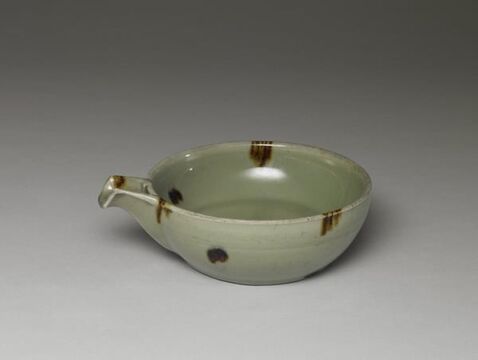
A 14th-century spouted pouring vessel (yi) finished in a soft green glaze intentionally accented with dynamic iron-oxide brown spots (tobi seiji).
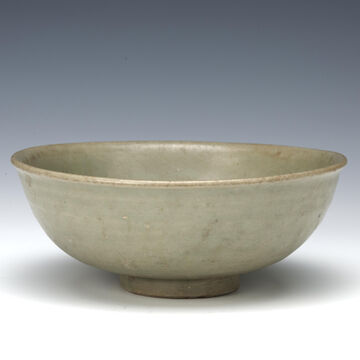
A 13th-century celadon bowl displaying the soft satiny glaze finish and solid potting characteristic of late Song through Yuan Longquan production.