Historic Ceramic Art, Cultural Heritage, Museum Collections & Auction Provenance.
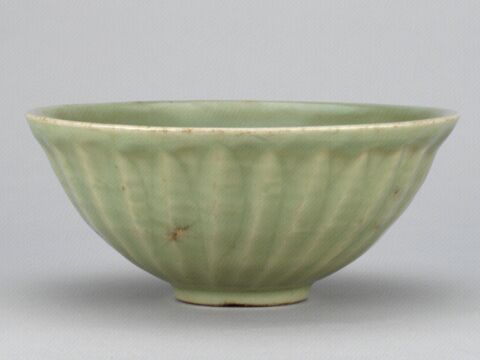
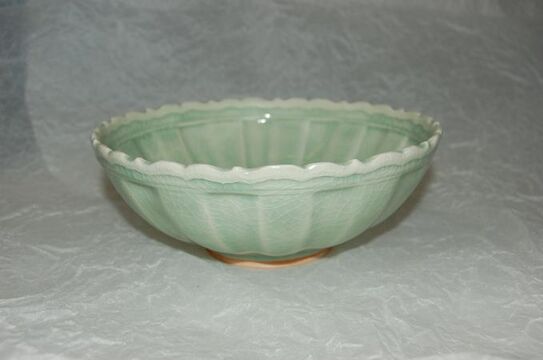
A canonical Southern Song design, the exterior is carved with deeply undercut radiating lotus petals, where the glaze pools darker in the recesses and thins elegantly over the ridges.
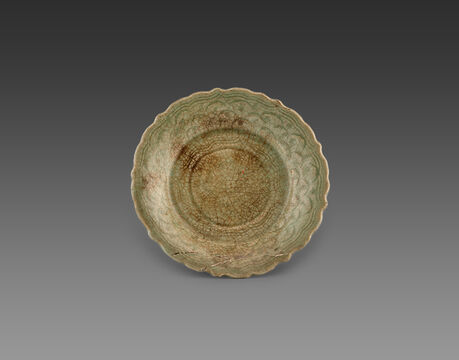
Featuring a barbed mallow-shaped rim, this dish includes finely molded and incised 'anhua' (secret decoration) blossoms beneath an unctuous, light green glaze.
With deep flaring sides supported on a cut footring, this bowl displays an unadorned, calming green glaze showing the natural elegance of Ming Longquan craftsmanship.
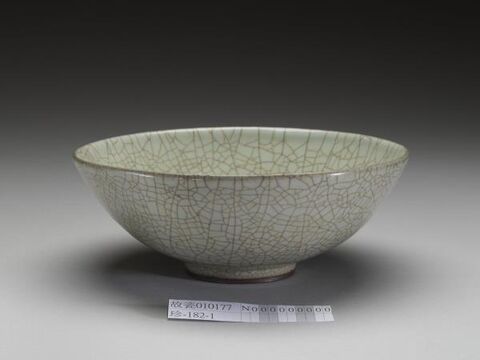
This monochrome celadon bowl is finely thrown with gently rounded sides, coated in a thick, tactile jade-like glaze with soft glossiness.
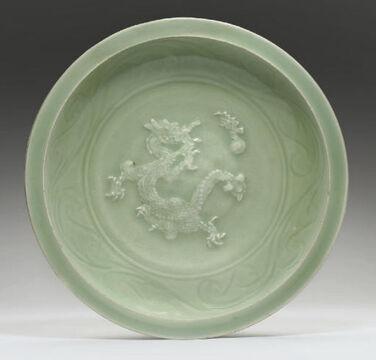
The central medallion is deeply incised with floral sprays, surrounded by carved petal flutes in the cavetto and bound by an everted rim under a glossy celadon glaze.
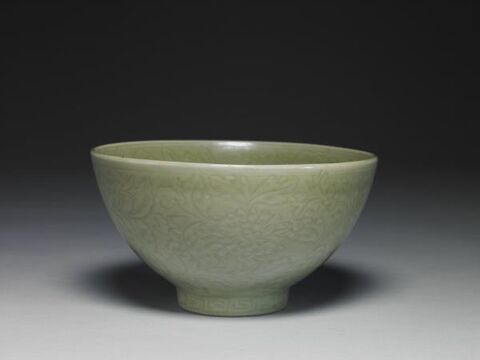
This bowl has robust potting, incised interior and exterior botanical motifs, and a rich, oily celadon glaze consistent with 15th-century Ming kilns.
Created in 1990, this piece demonstrates the enduring legacy of Longquan kiln traditions, featuring a modern reinterpretation of traditional jade-green celadon glaze formulations.
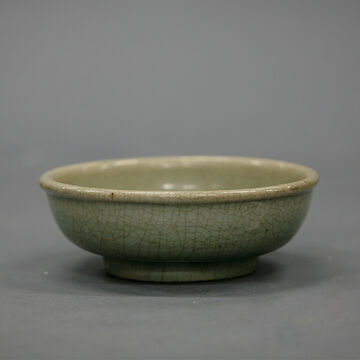
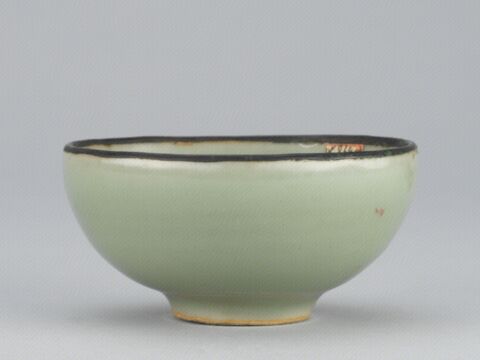
A quintessential Song tea or food bowl with clean flaring lines, an unadorned interior, and a velvety sea-green glaze that thins at the mouthrim.
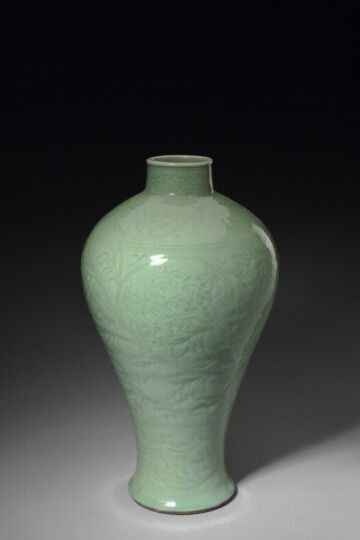
Standing with a broad swelling shoulder and tapered waist, this classic meiping features fluidly incised botanical scrolls beneath a deep, glossy celadon glaze.
This pair of saucer dishes features shallow curved profiles, unctuous green glaze surfaces, and unglazed rings on the base burnt orange from firing.
Modeled with an inward-curving mouthrim in the Buddhist bo (alms bowl) form, the exterior is carved with detailed chrysanthemum petal fluting beneath a cool green celadon glaze.
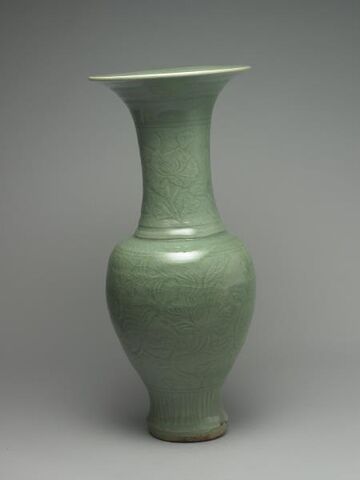
Featuring bold floral carving, this vase highlights lush peony blossoms with freely combed leafy branches, wrapped in an olive-tinged celadon glaze.