Historic Ceramic Art, Cultural Heritage, Museum Collections & Auction Provenance.
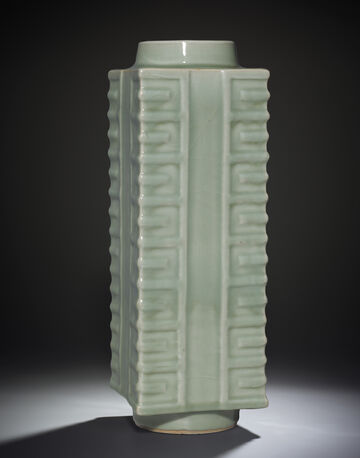
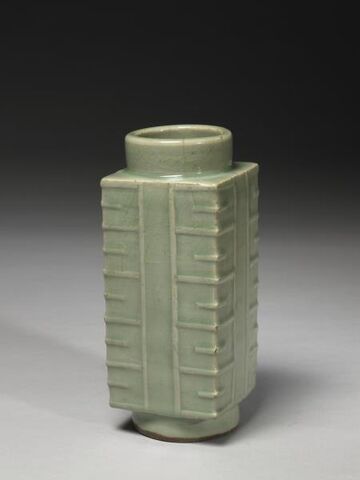
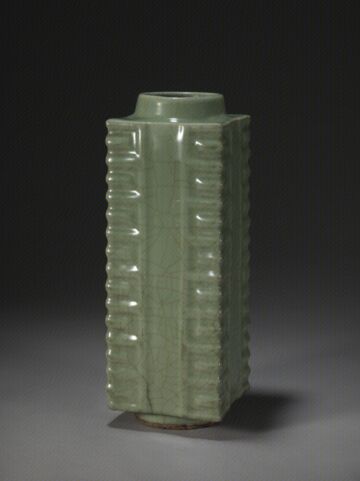
Modeled after ancient Liangzhu jade cong cylinders, this rectangular vase has four squared vertical corners divided into raised horizontal bars, enveloped in an unctuous bluish-green glaze.
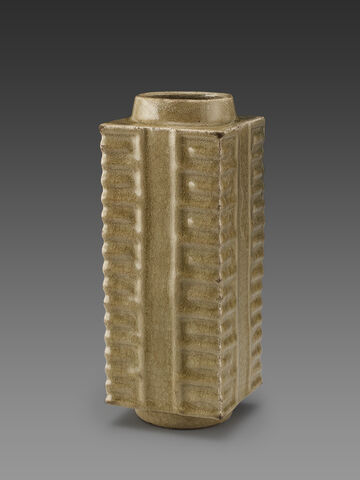
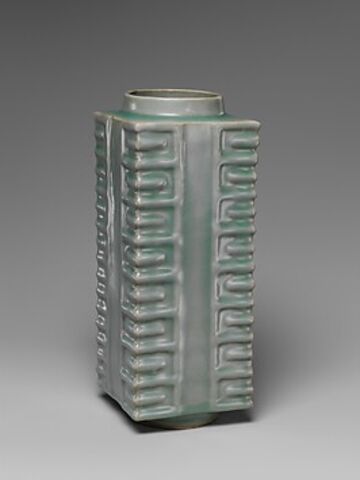
Featuring a square outer body enclosing a circular cylinder with horizontal corner ridges, this archaistic vase is coated in an unctuous, jade-toned celadon glaze.
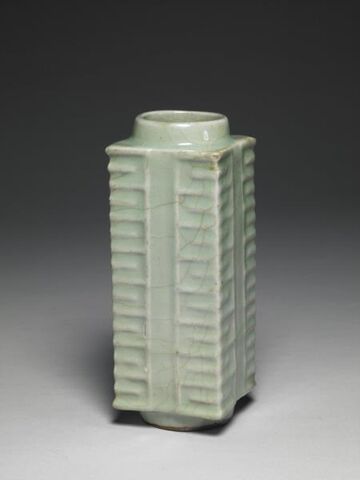
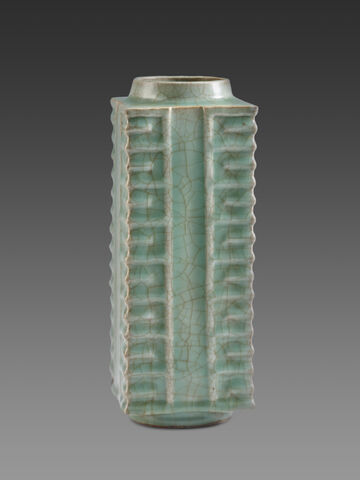
A Southern Song dynasty Longquan celadon vase modeled in the square form of an archaic jade cong with raised corner trigrams.
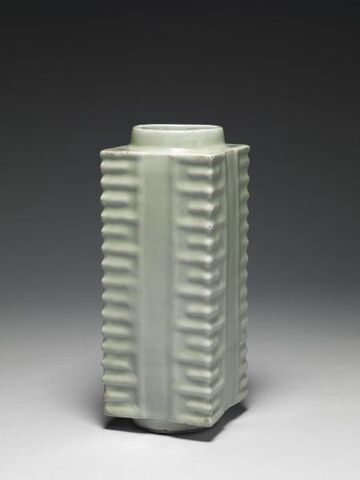
A Southern Song dynasty Longquan celadon vase modeled after an ancient ritual jade cong, with raised horizontal bars at each corner.
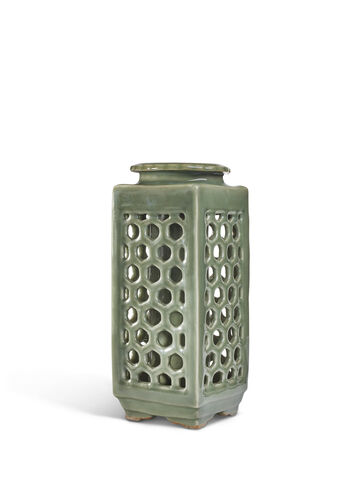
A Longquan celadon vase modeled in archaic cong form with pierced reticulated panels under a pale green glaze.
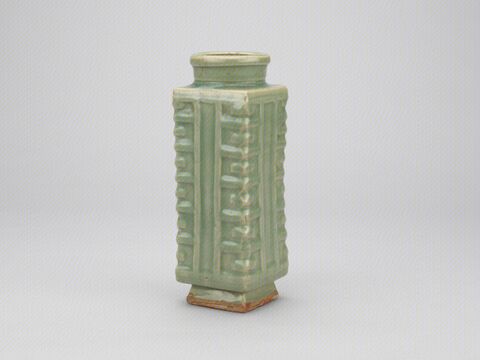
A celadon vase modelled after the archaic Neolithic jade cong, square in section with circular neck and base, moulded with horizontal raised bars.
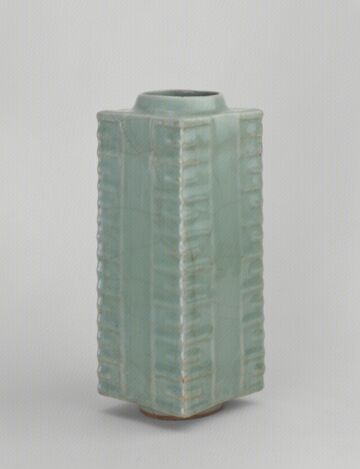
A Song dynasty Longquan celadon vase modelled after the archaic jade cong, square in body with raised horizontal trigram-like bars under an unctuous powder-green glaze.
A Southern Song Longquan celadon vase modelled after archaic jade cong with square body and horizontal raised bars under a soft powder-green glaze.
A classic Song dynasty Longquan celadon cong vase of square section with raised horizontal ribs along the corners, inspired by Neolithic Liangzhu ritual jades and coated in an even, powdery celadon glaze.
A 13th-century Longquan celadon cong vase with raised horizontal corner bars, evoking Neolithic ritual jade prototypes.
A Southern Song dynasty Longquan celadon cong vase with raised horizontal corner bars, evoking Neolithic ritual jade prototypes.
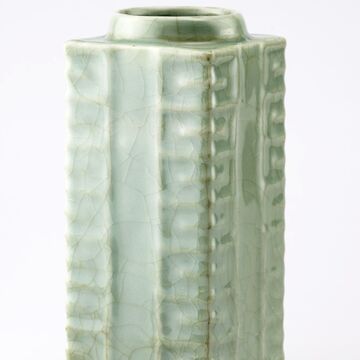
A Ming dynasty celadon cong-form vase of square section, embellished along the flat planar facets with carved Bagua (Eight Trigrams) motifs.