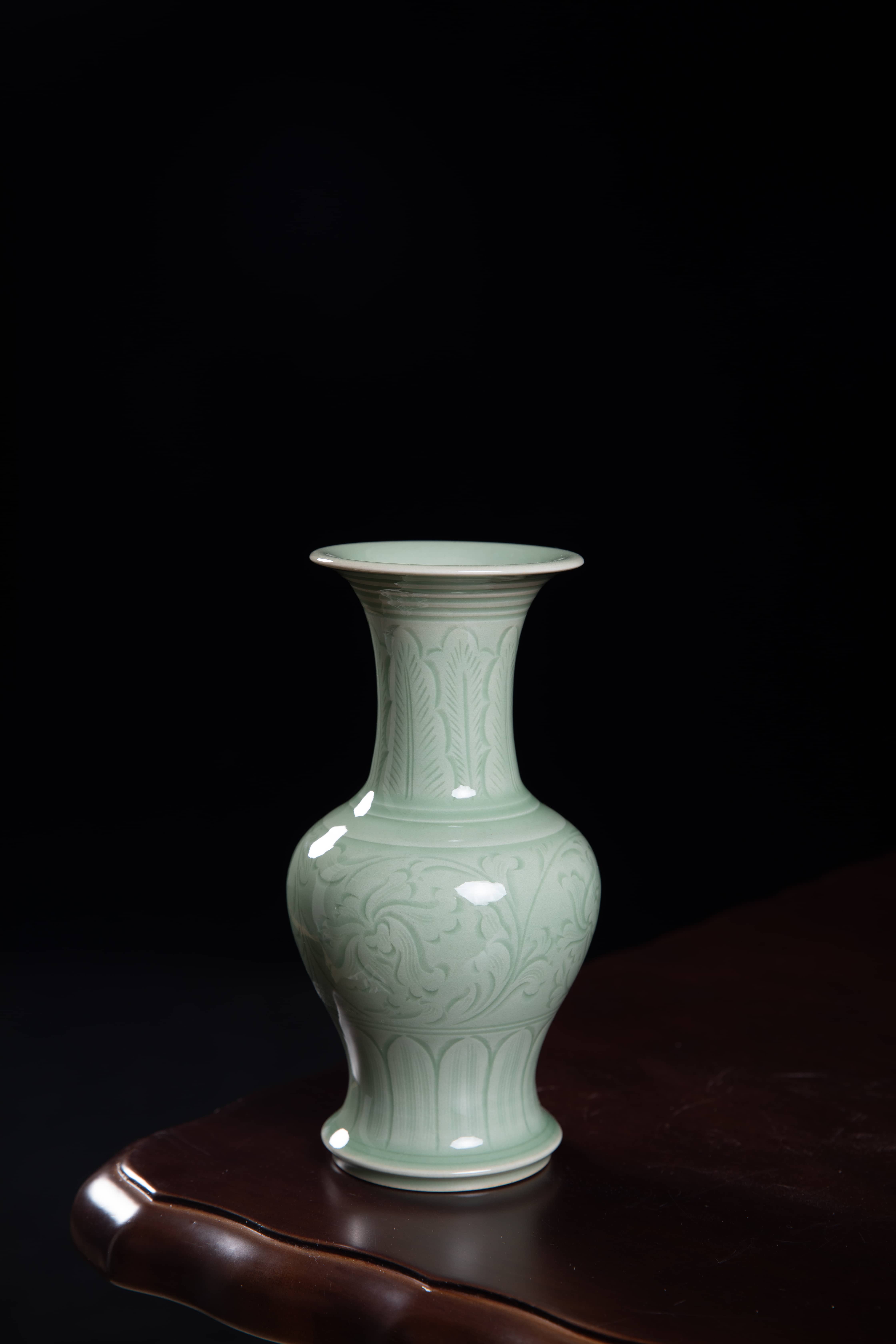
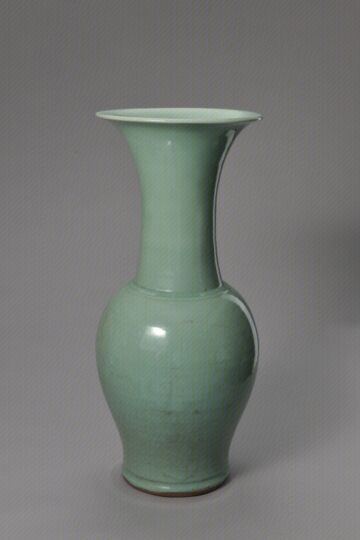
The Half-Carved Clay Phoenix-Tail Vase takes its name from the graceful silhouette of its flared lower body, which spreads outward like the elegant tail of a phoenix. The form is both poised and dynamic, capturing a sense of movement even in stillness. Its surface is adorned using the innovative “half-cut clay” carving technique, a method in which the artisan handles the blade as if wielding a brush. Through controlled variations in pressure and depth, the craftsman “draws” directly into the clay body, creating a richly layered decorative effect.
Encircling the vessel are lotus motifs rendered with striking dimensionality. Along the lower section, the lotus petal band is full and expansive, resembling a supportive pedestal of blooming petals. At the center, fully blossomed lotus flowers are carved using the half-cut technique. The edges of the petals are lightly incised, as delicate as silk threads, while deeper cuts define the inner structure of the flower. The blade turns sharply at key points, producing a dynamic interplay of light and shadow that gives the design a vivid, almost sculptural presence.
In traditional Chinese culture, the lotus carries profound symbolic meaning, representing purity, integrity, and transcendence. As expressed in the Avataṃsaka Sūtra, “Like a lotus rising from the water, unstained by the muddy mire,” it embodies a spirit untouched by corruption. The arrangement of the motifs on the vase is carefully balanced, dense yet breathable, preserving the sacred symbolism of the lotus while reinterpreting it through a contemporary artistic lens enabled by the half-cut carving technique.
The entire vessel is coated in a plum-green celadon glaze, refined through a reduction firing process. The result is a luminous, jade-like surface with a fresh, verdant tone. This glaze harmonizes beautifully with the iron-rich clay body beneath. Where the carving varies in depth, the glaze naturally pools and thins. In deeper areas it gathers into rich, concentrated green, while over shallow areas it becomes translucent, allowing light to pass through. This subtle variation evokes the image of lotus petals bathed in soft, ethereal light.
This vase inherits the essence of centuries-old Longquan celadon craftsmanship while introducing innovative decorative language that reflects a modern aesthetic spirit. As a functional flower vessel, it creates a poetic dialogue between the inserted branches and the carved lotus patterns. As a standalone object, its slender form and gentle glaze form a tranquil visual presence.
More than a utilitarian object, this piece is an artistic treasure imbued with auspicious meaning and the ingenuity of its maker. It invites not only visual appreciation but also a deeper reflection on the harmonious union of ceramic artistry and cultural philosophy.
| Body Clay | Red Clay |
| Glaze | Meiziqing |
| Firing | Reduction |
| Dimensions | Height: 17.3cm Width: 9.3cm |
| Size Type | Small |
| Style | Traditional |
| Function | Vase,Decor |
Liu Huiping
Typologies Preserved Across Dynasties
For scholarly validation, cross-reference the structural glaze profiles and profile matrices of this contemporary creation against globally cataloged archetypes held in museum sanctuaries.
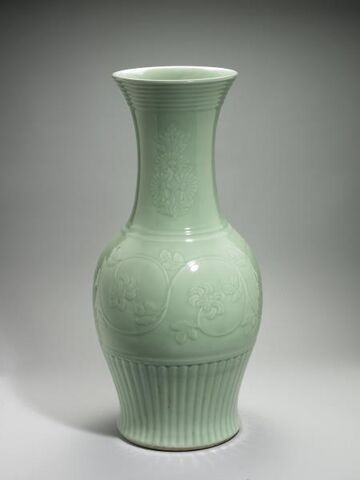
The National Palace Museum
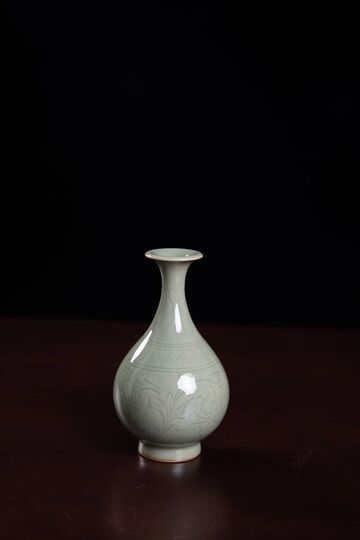
Fengwei everted-rim vase
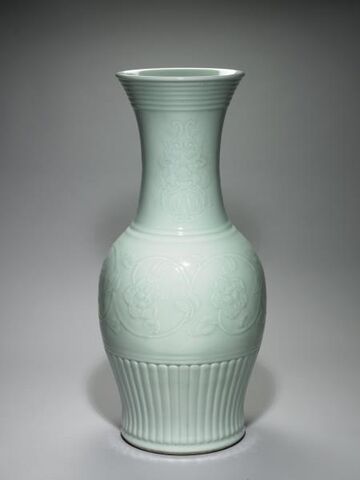
The National Palace Museum
Phoenix-tail vase with floral pattern
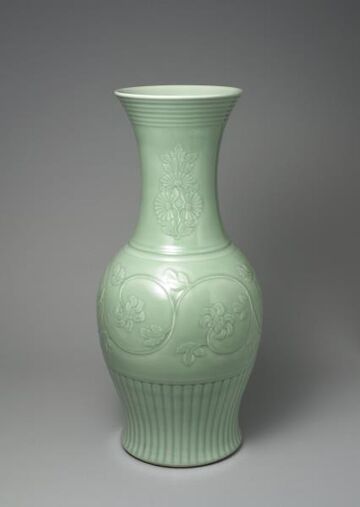
The National Palace Museum
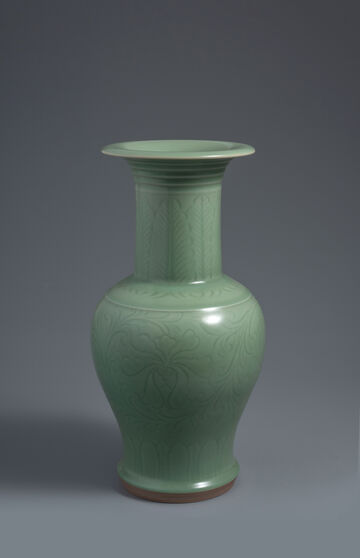
Fengwei everted-rim vase with floral pattern
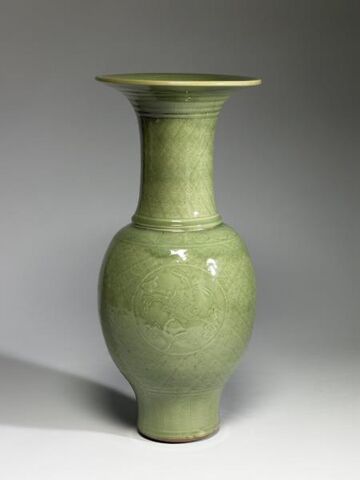
The National Palace Museum
Large Phoenix-tail vase
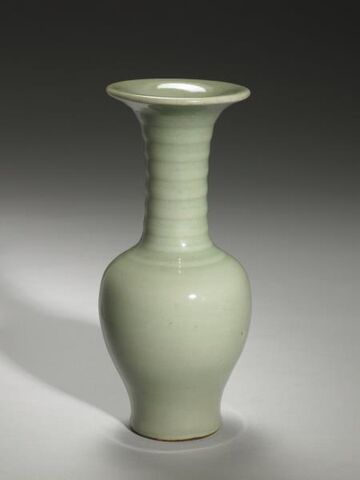
The National Palace Museum
Fengwei everted-rim vase with linear pattern
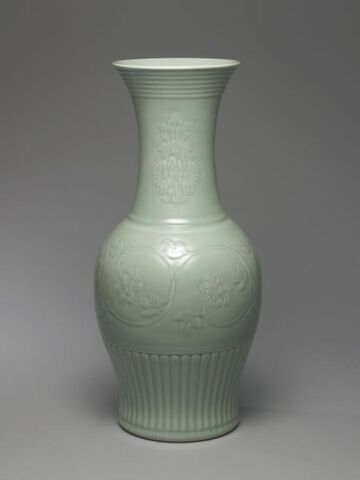
The National Palace Museum
Vase with appliqued floral decoration
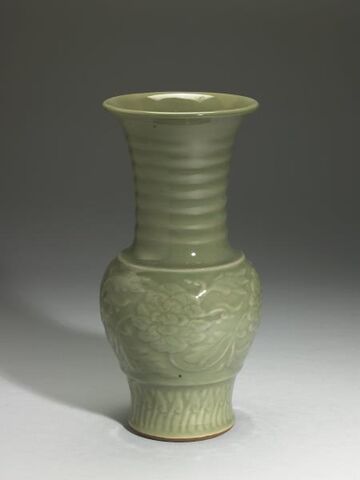
The National Palace Museum
Fengwei everted-rim vase with incised floral decoration
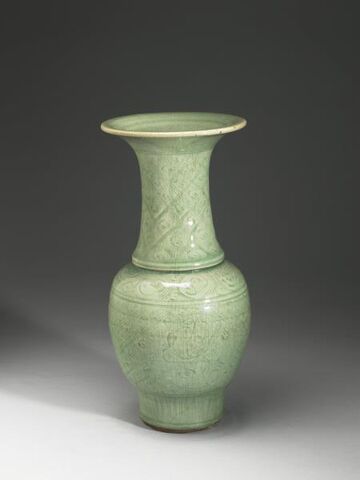
The National Palace Museum
Phoenix-tail vase with incised floral pattern
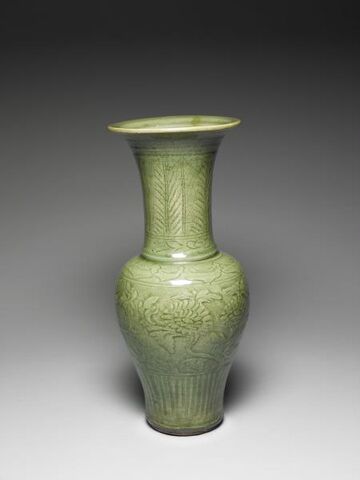
The National Palace Museum
Phoenix-tail vase with incised floral decoration
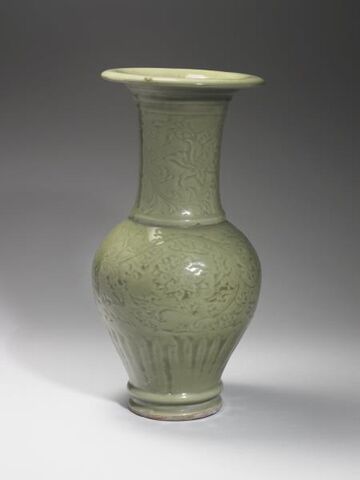
The National Palace Museum
Phoenix-tail vase with incised floral decoration
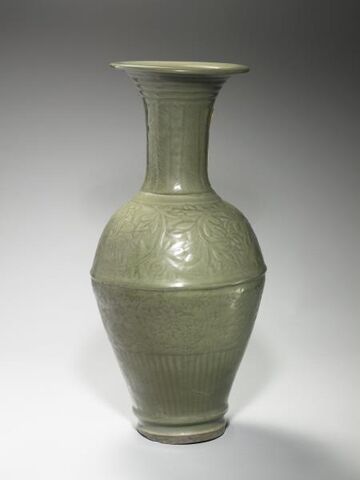
The National Palace Museum
Phoenix-tail vase with incised floral decoration
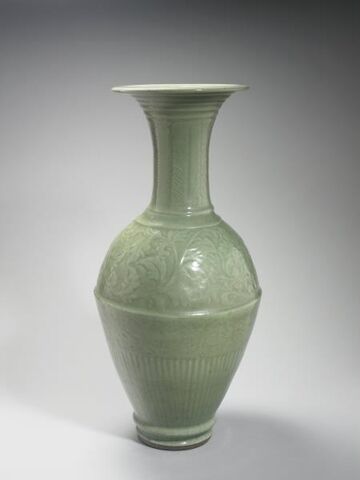
The National Palace Museum
Phoenix-tail vase with incised floral decoration
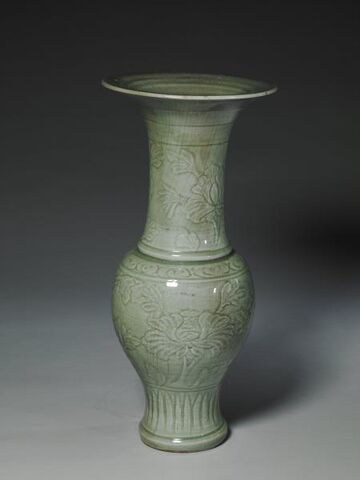
The National Palace Museum
Fengwei everted-rim vase with incised floral decoration
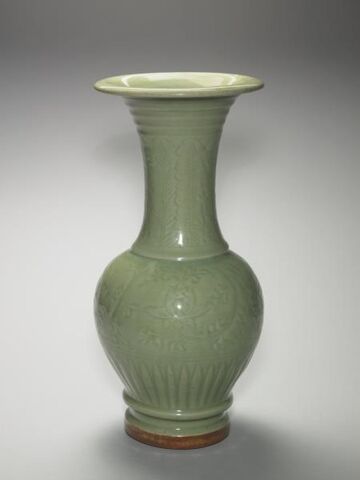
The National Palace Museum
Fengwei everted-rim vase with incised floral decoration
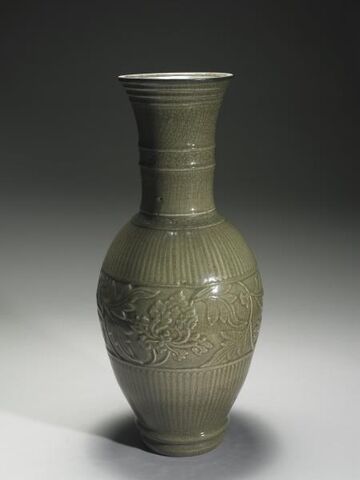
The National Palace Museum
Phoenix-tail vase with floral design in relief
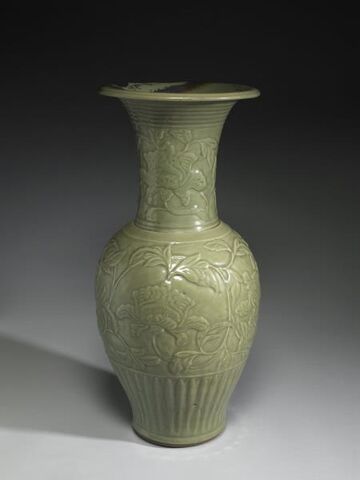
The National Palace Museum
Fengwei everted-rim vase with raised floral decoration
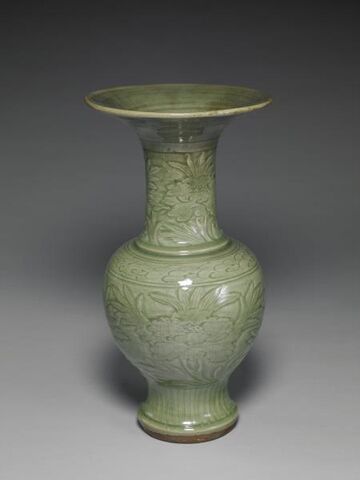
The National Palace Museum
Phoenix-tail vase with incised floral designPorcelain, Longquan celadon
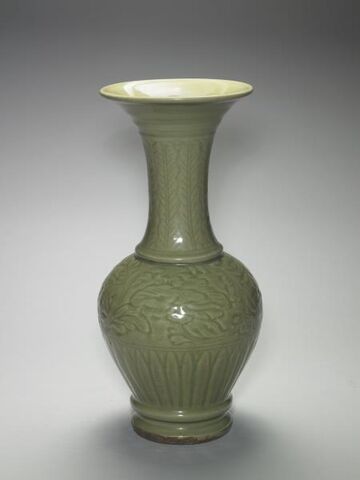
The National Palace Museum
Fengwei everted-rim vase with incised decoration of peony
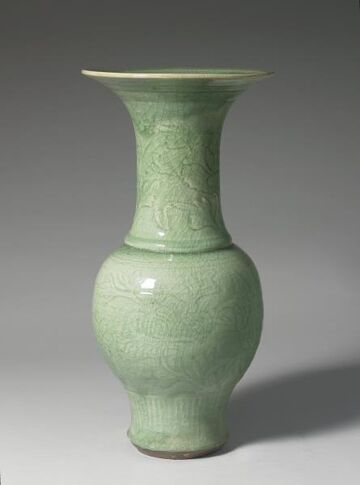
The National Palace Museum
Fengwei everted-rim vase vase with carved floral decoration
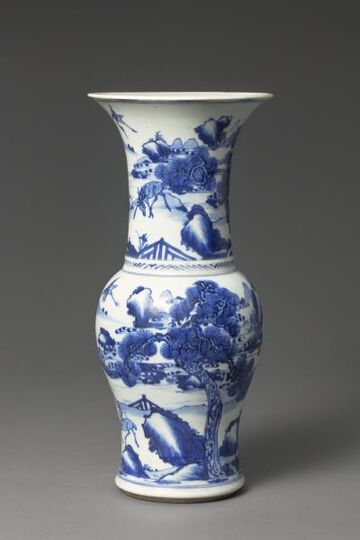
The National Palace Museum
Fengwei everted-rim vase with pine
The Palace Museum
青釉凤尾尊