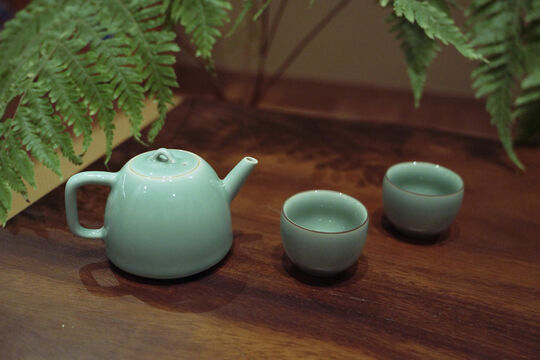
This teapot is modeled after a Qing Dynasty Yongzheng-era celadon-glazed teapot housed in the collection of the Palace Museum (Forbidden City).
It features a constricted mouth, a flattened round body, a short straight spout, and a square curved handle, all resting on a recessed circular foot. The lid fits snugly onto the teapot using a traditional interlocking “mother-and-son” rim design, with a gently domed surface topped by a bridge-shaped finial.
The entire piece is coated in a fine feiqing glaze, smooth and unadorned, allowing the pure form to speak for itself. Areas such as the rim and spout reveal hints of the white porcelain body beneath, where the glaze thins slightly—typical of high-fired celadon pieces.
The design is elegant and restrained, with crisp, well-defined lines that remain fluid and harmonious. The delicate celadon hue and jade-like luster lend the piece a quiet sophistication. This teapot is a fine example of both aesthetic beauty and functional excellence, making it an ideal object for both appreciation and use.
- Modeled after a Qing Dynasty Yongzheng-era celadon-glazed teapot from the Palace Museum (Forbidden City).
- Features a constricted mouth, flattened round body, short straight spout, and square curved handle on a recessed foot.
- The lid uses a traditional “mother-and-son” interlocking rim design with a domed top and bridge-shaped finial.
- Finished in a smooth, refined feiqing glaze that highlights the purity of its form.
- Subtle glaze thinning at the rim and spout reveals the white porcelain body, characteristic of high-fired celadon.
- Elegant, restrained lines and a jade-like celadon tone create a sense of quiet sophistication.
- A harmonious blend of beauty and function—suited for both display and daily use.
| Body Clay | Di Kiln |
| Glaze | Fenqing |
| Firing | Reduction |
| Dimensions | Cup: Height: 4.2cm Width: 5.5cm Pot: Height: 8.5cm Width: 9.0cm |
| Size Type | Standard |
| Style | Traditional |
| Function | Tea Ware,Collectible |
Li Lin
Typologies Preserved Across Dynasties
For scholarly validation, cross-reference the structural glaze profiles and profile matrices of this contemporary creation against globally cataloged archetypes held in museum sanctuaries.
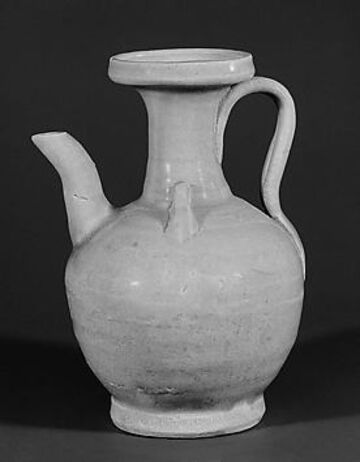
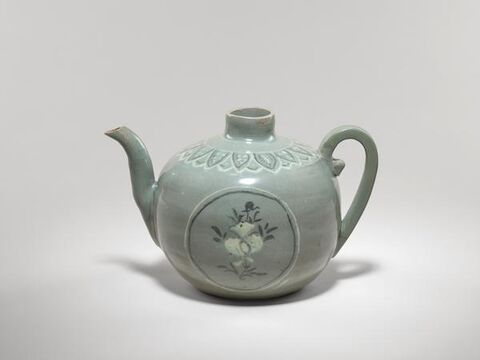
The Metropolitan Museum of Art
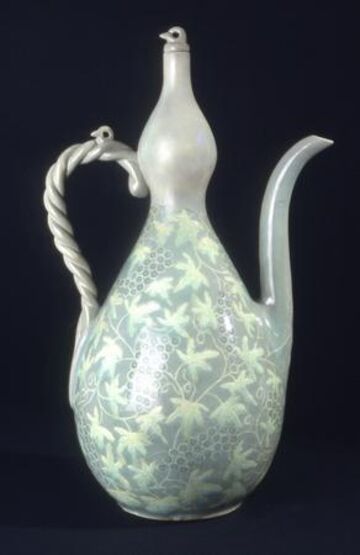
Ewer
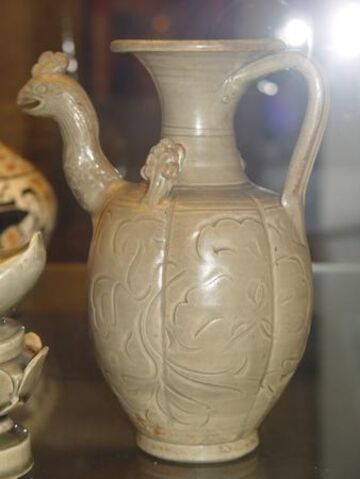
The British Museum
ewer
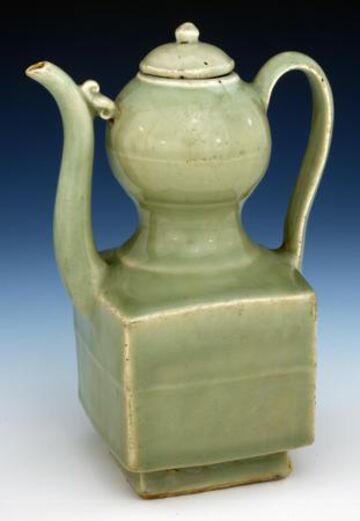
The British Museum
ewer
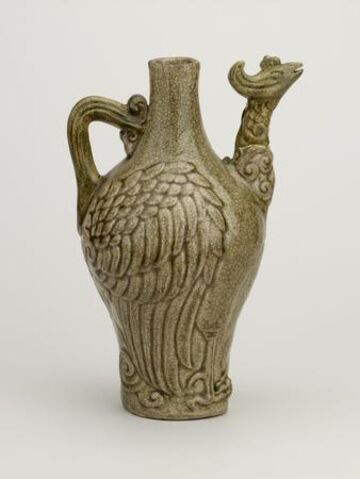
The British Museum
ewer
The British Museum
ewer
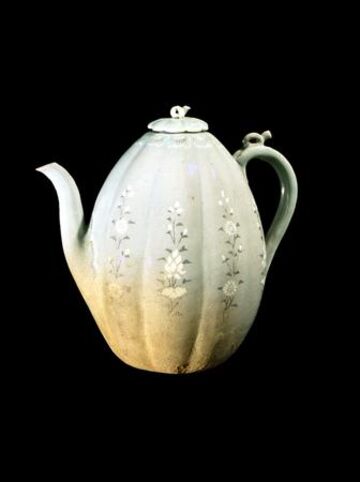
The British Museum
ewer
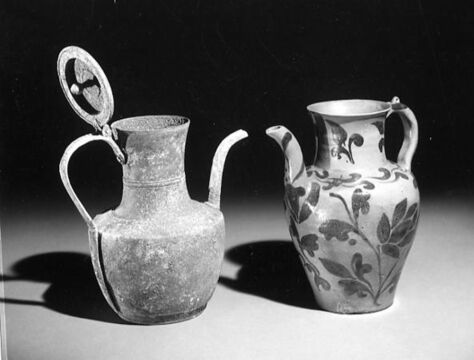
The British Museum
ewer
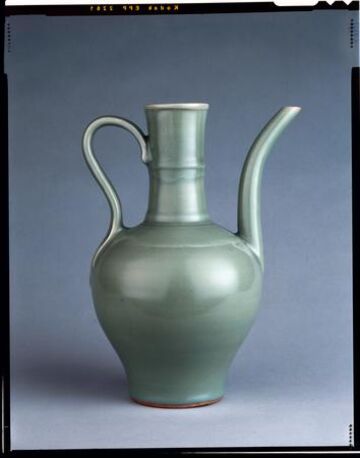
The British Museum
ewer
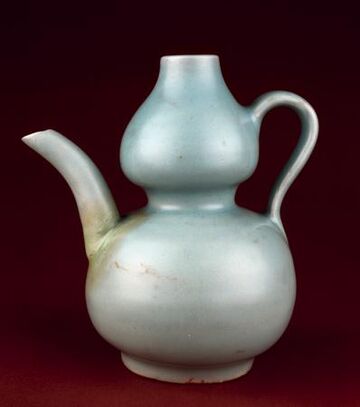
The British Museum
ewer
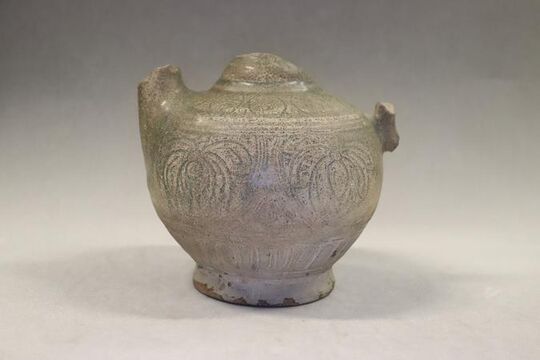
The British Museum
ewer
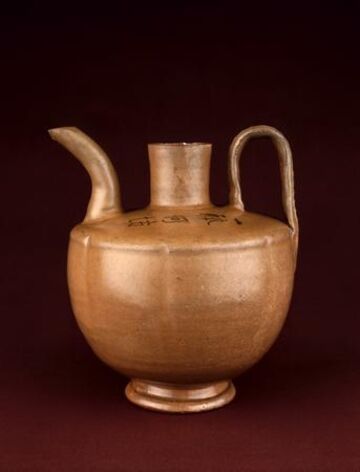
The British Museum
ewer
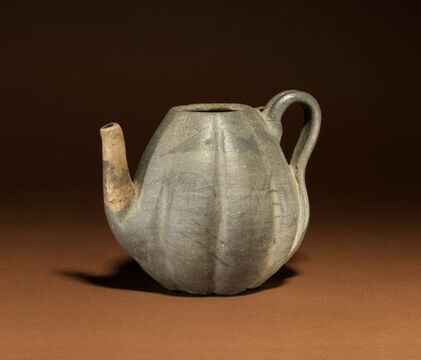
The British Museum
ewer
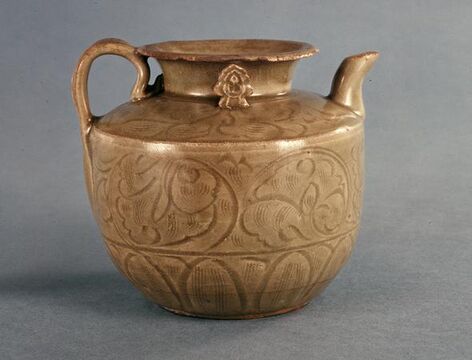
The British Museum
ewer
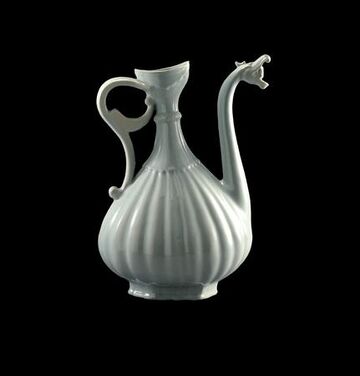
The British Museum
ewer
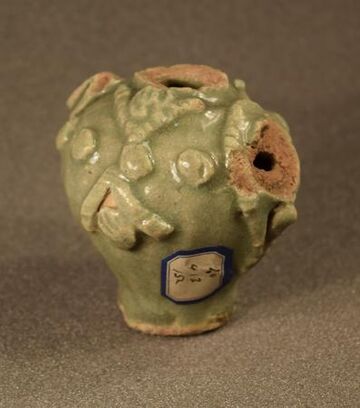
The British Museum
ewer
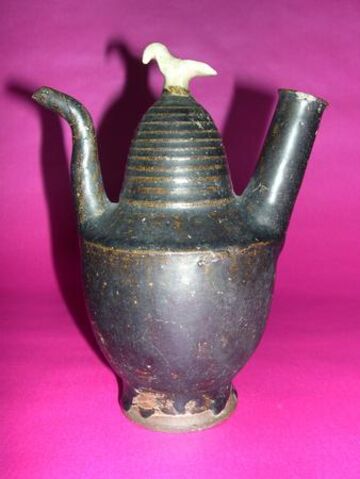
The British Museum
ewer
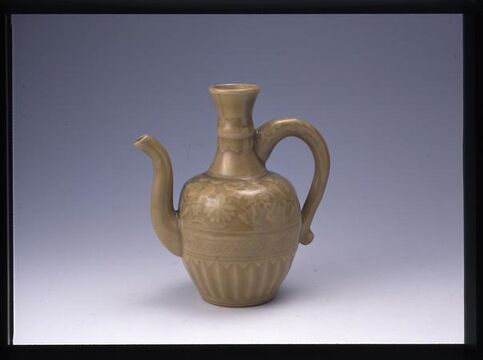
The British Museum
ewer
The British Museum
ewer