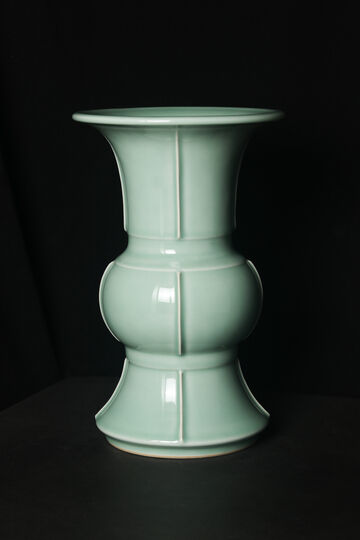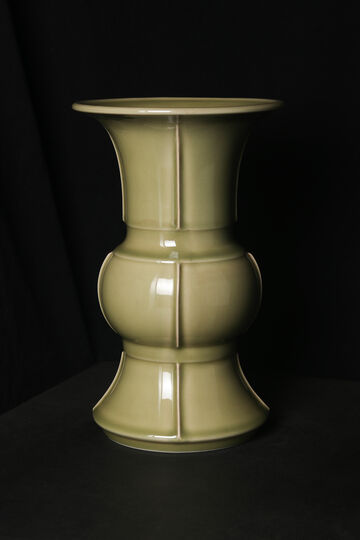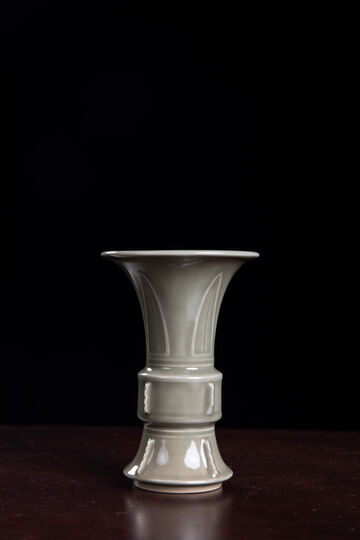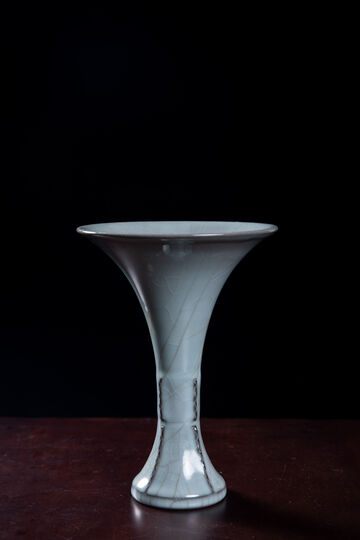
The Gu is one of the most significant ritual and wine vessels in ancient Chinese culture, distinguished by its tall, slender silhouette and solemn presence. Its origins date back to the Longshan culture of the late Neolithic period, when early examples were made of pottery and served both daily and ceremonial functions. By the Shang and Zhou dynasties, bronze Gu vessels had become integral to the ritual system, often paired with Jue cups in sacrificial and banquet settings to signify rank, authority, and social order. These bronze forms were typically adorned with powerful motifs such as taotiemasks and thunder patterns, reflecting their profound religious and political symbolism.
With the gradual rise of porcelain, ceramic vessels replaced bronze as the primary medium. During the Southern Song dynasty, Gu vessels produced by the imperial official kilns achieved exceptional artistic refinement. Established exclusively for court use, the Southern Song official kilns were celebrated for their meticulous craftsmanship and restrained aesthetic. While retaining the traditional Gu form, these porcelain examples embraced the Song dynasty ideals of simplicity, subtlety, and natural harmony. Their finely potted bodies—often dark gray or brown in tone—were covered in luminous glazes such as powder blue and moon-white, with naturally formed crackle patterns known as “golden threads and iron lines,” a hallmark of Song literati taste.
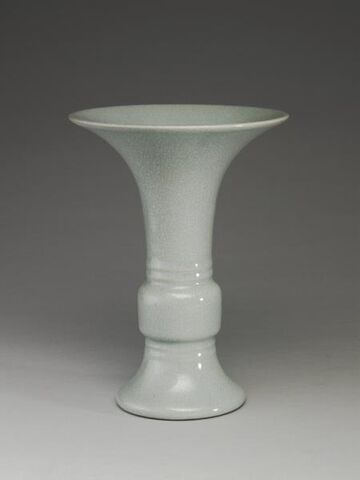
This Gu Vessel in the Style of the Southern Song Official Kiln is a refined contemporary tribute to that classical tradition. The form faithfully follows the canonical structure: a flared trumpet mouth, a tall and slender cylindrical body, and an outward-splaying ring foot. The proportions are carefully balanced, and the lines flow with quiet confidence, conveying both dignity and stability. Strength and softness coexist in its contours, preserving the solemn elegance of ancient ritual ware while aligning with modern sensibilities that favor clarity and restraint.
Serving equally as a sculptural object and a cultural emblem, this vessel bridges antiquity and the present. Whether displayed as a scholar’s object, a focal point in an interior setting, or a collector’s piece, it embodies the enduring legacy of Southern Song official kiln aesthetics and the timeless spirit of Chinese ceramic art.
- Faithful interpretation of the Southern Song official kiln Gu form
- Flared trumpet mouth, elongated body, and outward ring foot with harmonious proportions
- Inspired by classic powder-blue and moon-white glazes with natural crackle effects
- Embodies Song dynasty ideals of simplicity, elegance, and literati refinement
- Suitable for museum display, scholarly collections, or refined contemporary interiors
- A timeless tribute to imperial ceramic tradition and modern craftsmanship
| Body Clay | Iron-rich |
| Glaze | Tianqing |
| Firing | Reduction |
| Dimensions | Height: 22.1cm Width: 16cm |
| Size Type | Standard |
| Style | Traditional |
| Function | Vase,Decor,Collectible |
Zhang Haiyang
Typologies Preserved Across Dynasties
For scholarly validation, cross-reference the structural glaze profiles and profile matrices of this contemporary creation against globally cataloged archetypes held in museum sanctuaries.
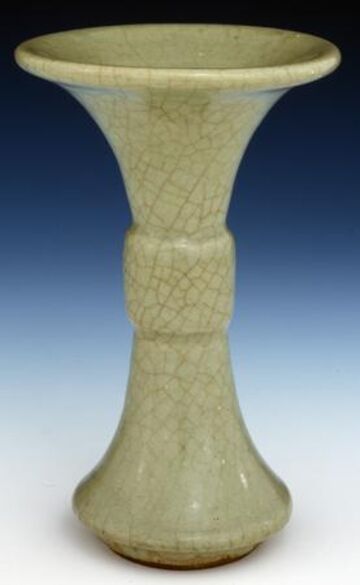
The British Museum
beaker; gu
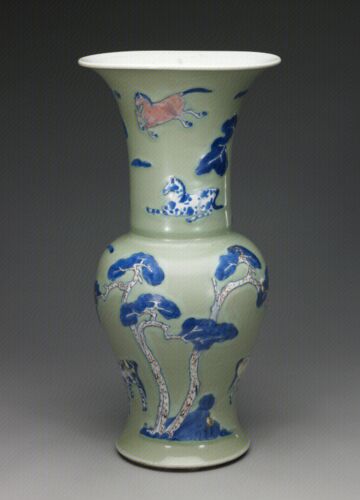
The Palace Museum
釉里三色八马图觚
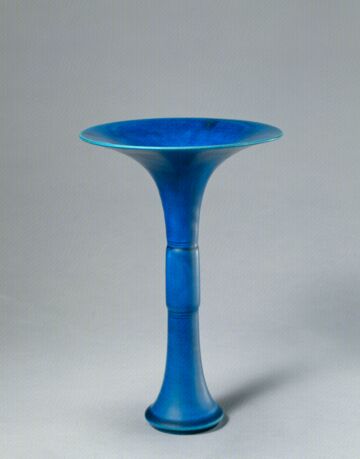
The Palace Museum
孔雀绿釉花觚
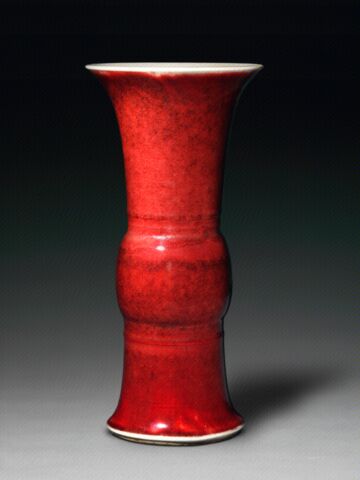
The Palace Museum
郎窑红釉花觚
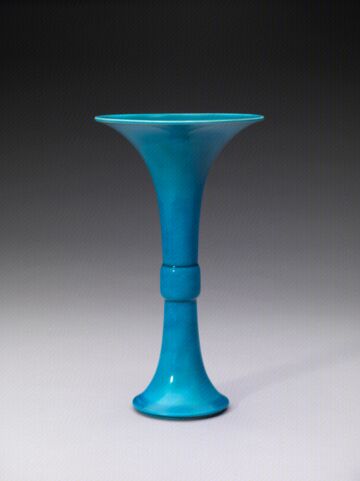
The Palace Museum
孔雀绿釉花觚
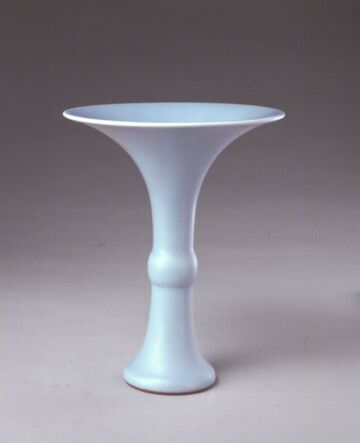
The Palace Museum
雍正款天蓝釉花觚
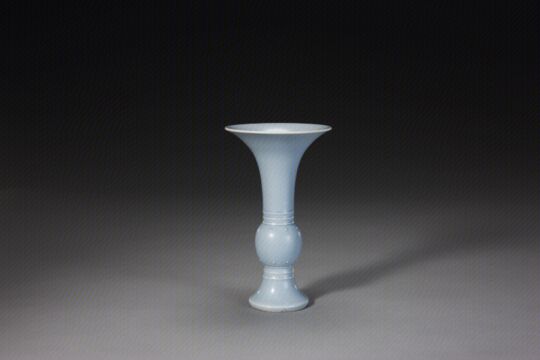
The Palace Museum
康熙款天蓝釉花觚
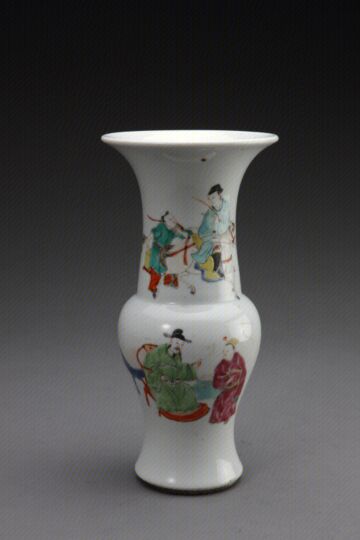
The Palace Museum
粉彩人物图觚
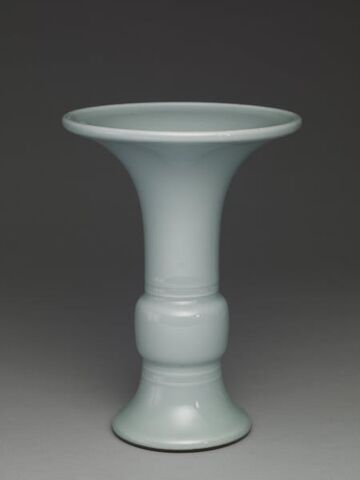
The National Palace Museum
Gu Vase
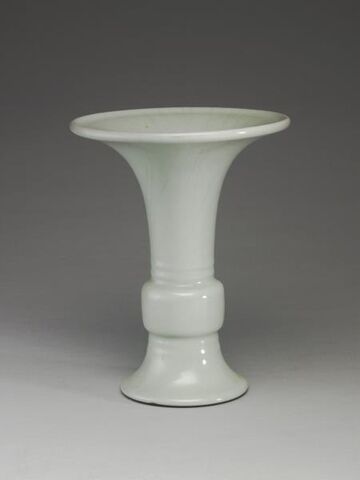
The National Palace Museum
Gu Vase
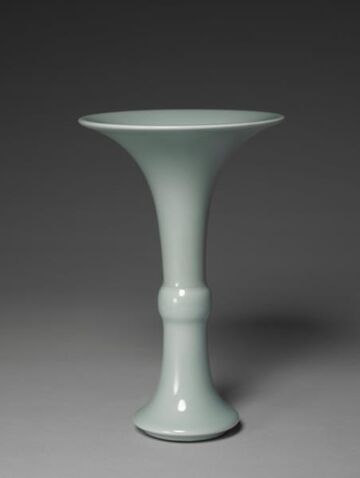
The National Palace Museum
Gu Vase
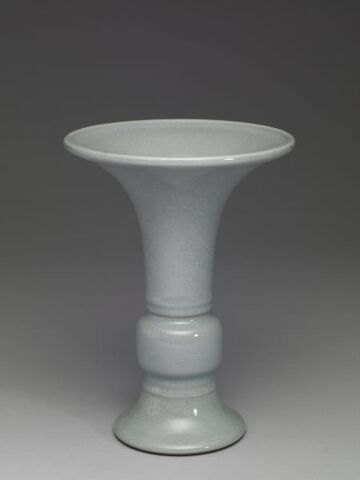
The National Palace Museum
Gu Vase
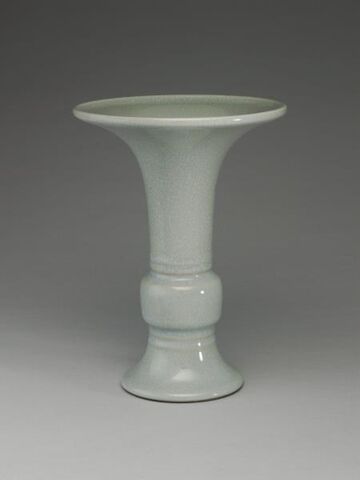
The National Palace Museum
Gu Vase
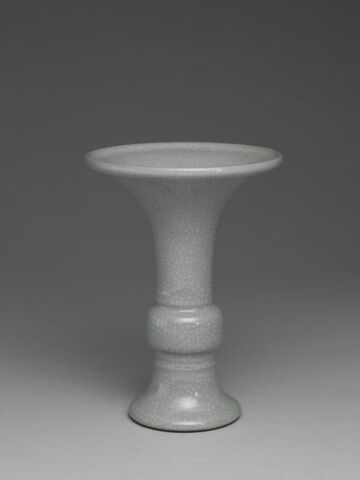
The National Palace Museum
Gu Vase
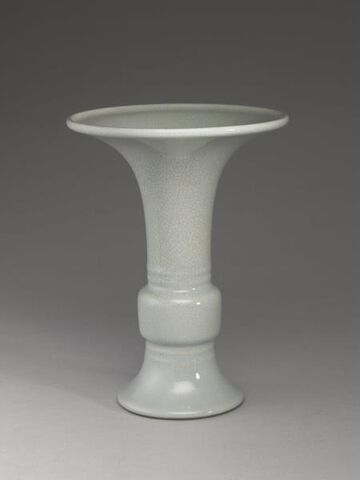
The National Palace Museum
Gu Vase
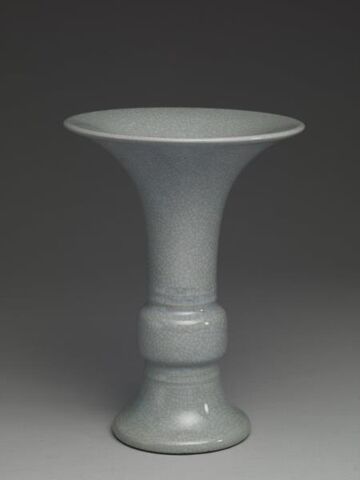
The National Palace Museum
Gu Vase
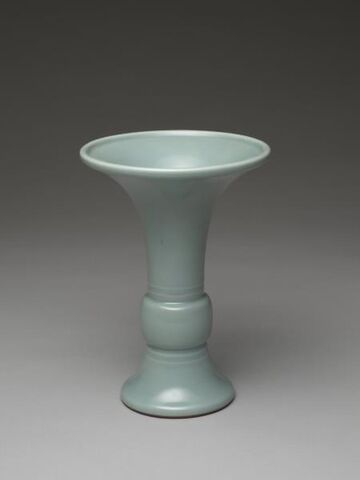
The National Palace Museum
Gu vase
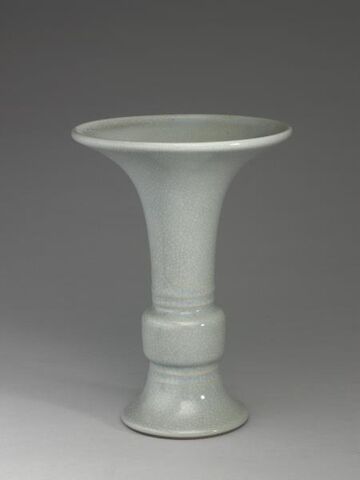
The National Palace Museum
Gu Vase
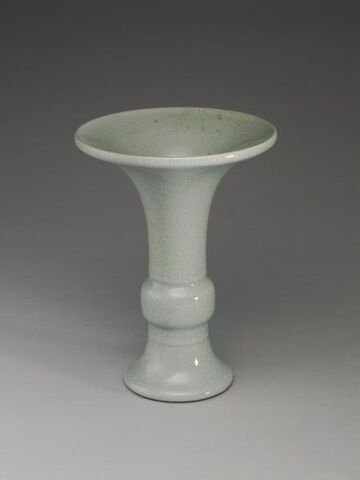
The National Palace Museum
Gu Vase
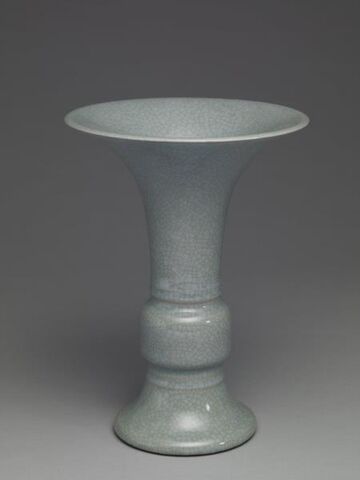
The National Palace Museum
Gu Vase
The National Palace Museum
Gu Vase