
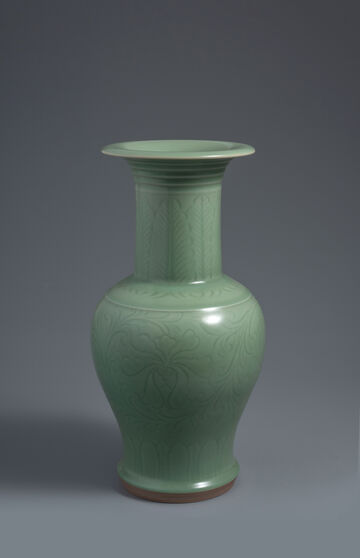
Inspired by a classic form first developed during the Kangxi period of the Qing dynasty, the Longquan Celadon Phoenix-Tail Zun with Intertwined Lotus Design is an imposing display vessel of exceptional presence. Named for its outward-flaring mouth, which resembles the graceful spread of a phoenix’s tail, the phoenix-tail zun occupied an important place in Qing imperial display ceramics. Its form synthesizes the solemn grandeur of ancient bronze ritual vessels with the refined elegance of Ming–Qing porcelain, reflecting the aesthetic ideals of a prosperous era.
The silhouette is stately and well balanced. The gently flaring rim evokes a phoenix in flight, while the elongated neck rises with poise and restraint. Below, the full, rounded body swells with measured generosity before tapering subtly to a stable ring foot. The contours rise and fall in harmonious rhythm, achieving a balance between strength and grace that exemplifies the Qing dynasty preference for dignified yet fluid form. Historically, vessels of this type were favored in both imperial interiors and refined scholarly spaces, serving as symbols of status, taste, and cultural cultivation.
The surface is adorned with an expansive intertwined lotus scroll motif, carved using Longquan celadon’s distinctive half-cut clay technique. The neck is encircled by upright plantain-leaf patterns, symbolizing enduring foundations and continued prosperity. Across the body, scrolling lotus stems unfurl with blossoms interspersed among them, conveying ideals of purity, continuity, and moral integrity. The carving varies subtly in depth, allowing the motifs to emerge beneath the glaze with a soft, relief-like presence—an effect requiring exceptional precision and control.
Formed from a cinnabar-toned red clay body and coated in a rich Meiziqing (plum-green) glaze, the vessel displays a thick, lustrous surface achieved through reduction firing. The glaze’s jade-like translucence enhances the carved decoration: pooled glaze intensifies the green to emphasize the fullness of the lotus blooms, while thinner areas remain clear and luminous, tracing the movement of the scrolling stems. This harmonious interplay between carving and glaze exemplifies the refined technical language of Longquan celadon.
Combining the grandeur of imperial display ware with the elegance of literati taste, the Phoenix-Tail Zun with Intertwined Lotus Design stands as a distinguished decorative object and a work of deep cultural resonance. It not only revives a celebrated Qing dynasty form but also demonstrates the continued vitality of Longquan ceramic traditions, making it a compelling centerpiece for display and a significant addition to any serious collection.
- Large-scale Phoenix-Tail Zun inspired by Kangxi-period imperial display porcelain
- Elegant flaring rim symbolizing the phoenix tail, an auspicious motif
- Finely carved intertwined lotus scrolls, rich in cultural symbolism
- Executed in advanced half-cut clay carving technique
- Lustrous Meiziqing celadon glaze, thick and jade-like
- Strong presence suited for architectural display or important collections
- A refined synthesis of imperial grandeur and literati elegance
| Body Clay | Red Clay |
| Glaze | Meiziqing |
| Firing | Reduction |
| Dimensions | Height: 36.2cm Width: 18.1cm |
| Size Type | Standard |
| Style | Traditional |
| Function | Decor,Collectible |
Xu Jianxin
Typologies Preserved Across Dynasties
For scholarly validation, cross-reference the structural glaze profiles and profile matrices of this contemporary creation against globally cataloged archetypes held in museum sanctuaries.
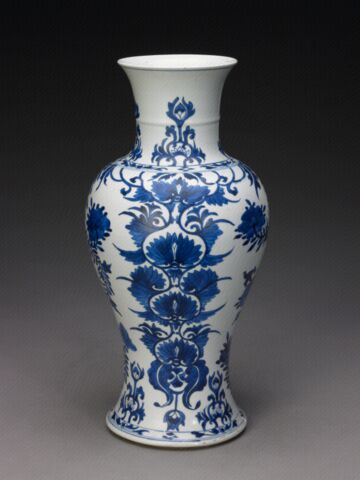
The Palace Museum
青花缠枝莲纹凤尾尊
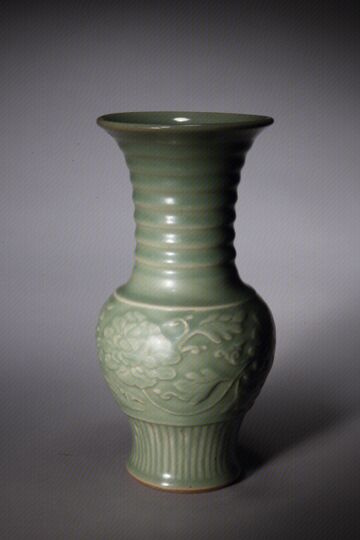
The Palace Museum
青釉凸花缠枝莲纹凤尾尊
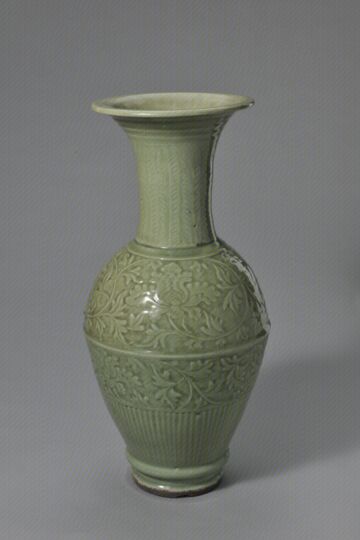
The Palace Museum
青釉凸花缠枝莲纹凤尾尊
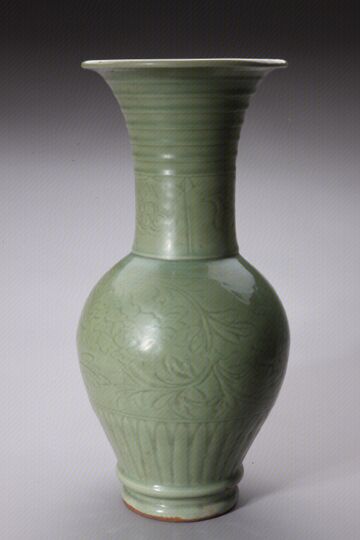
The Palace Museum
青釉暗划缠枝莲纹凤尾尊
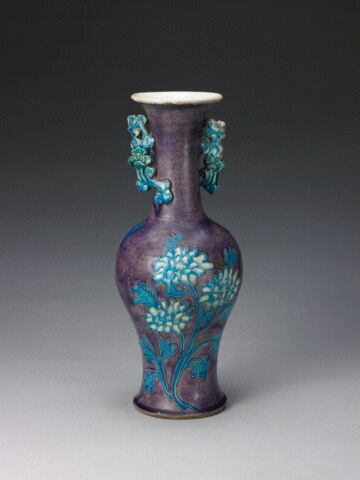
The Palace Museum
珐花紫地花耳凤尾尊
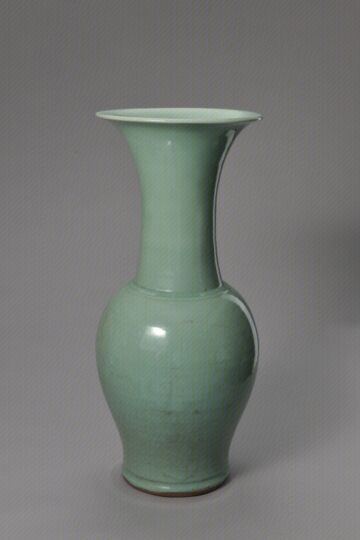
The Palace Museum
青釉凤尾尊
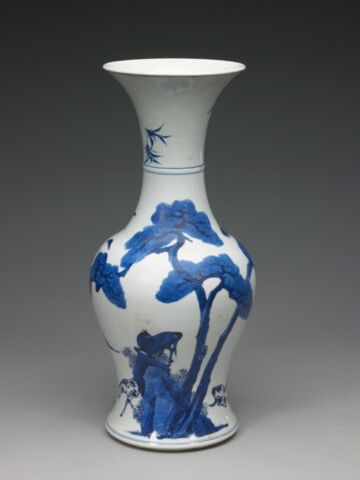
The Palace Museum
青花八骏图凤尾尊
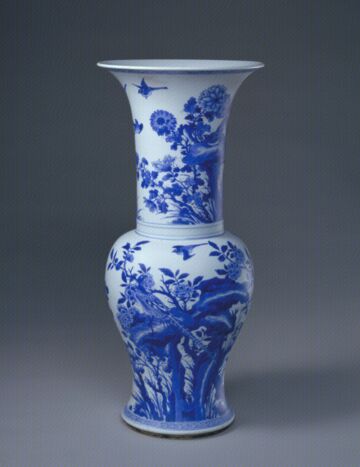
The Palace Museum
青花花卉纹凤尾尊
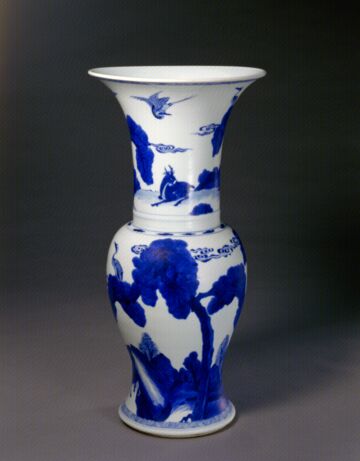
The Palace Museum
青花鹤鹿同春图凤尾尊
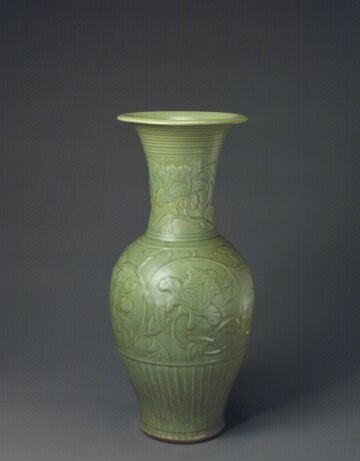
The Palace Museum
青釉凸花缠枝牡丹纹凤尾尊
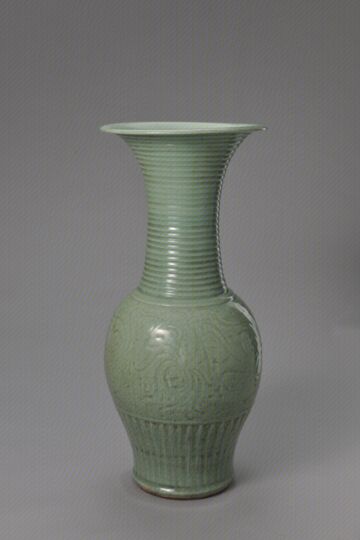
The Palace Museum
青釉划花缠枝花纹凤尾尊
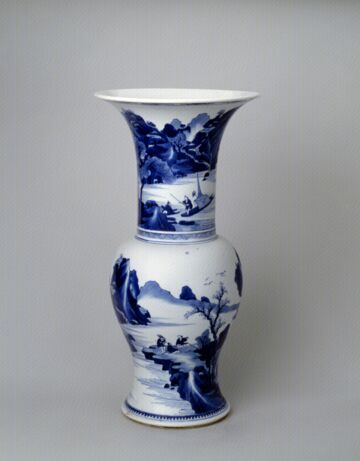
The Palace Museum
青花山水人物图凤尾尊
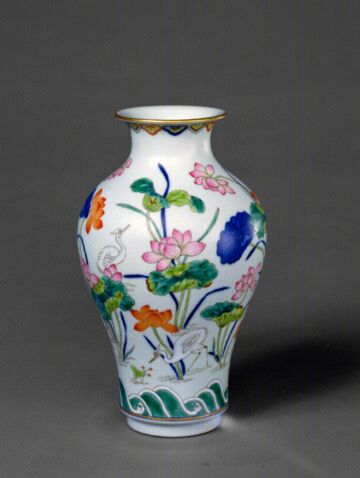
The Palace Museum
嘉庆款粉彩鹭莲纹尊
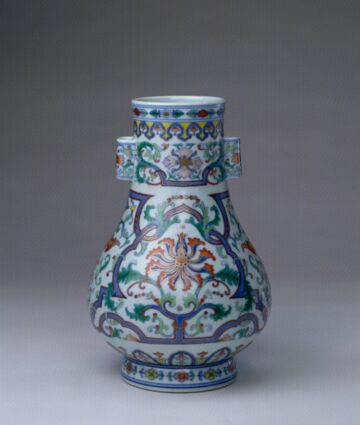
The Palace Museum
乾隆款斗彩缠枝莲纹双耳尊
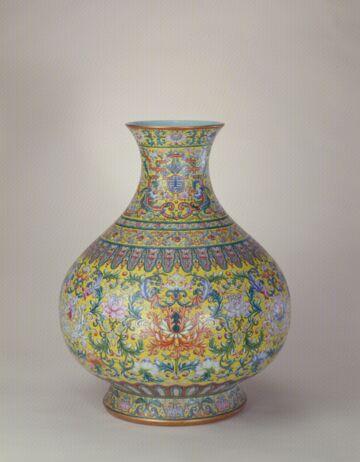
The Palace Museum
乾隆款黄地粉彩莲花纹尊
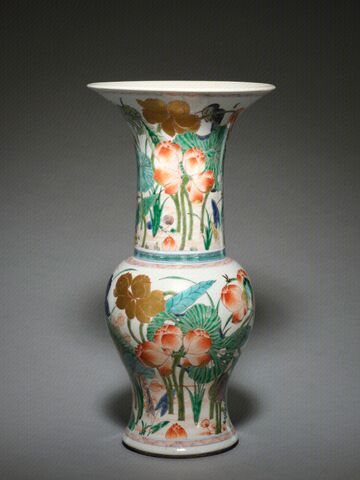
The Palace Museum
五彩加金鹭莲纹尊
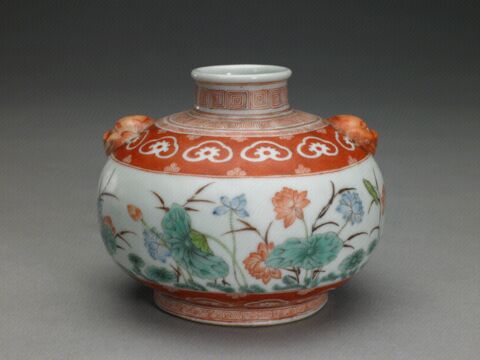
The Palace Museum
乾隆款白地矾红彩诗句开光粉彩荷花图尊
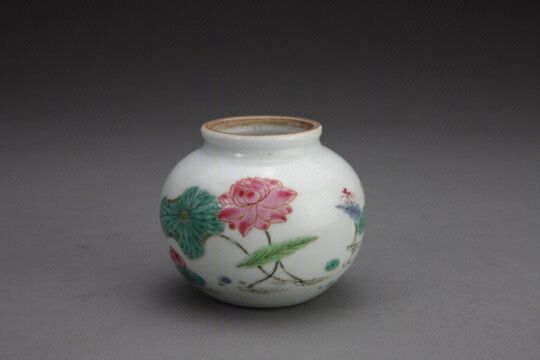
The Palace Museum
粉彩荷花图小尊
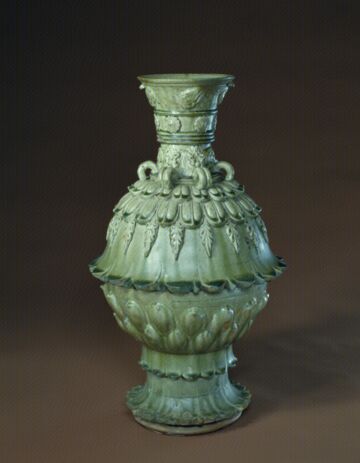
The Palace Museum
青釉仰覆莲花尊
The Palace Museum
青釉仰覆莲花尊
The Palace Museum
青花缠枝莲纹贯耳尊
The Palace Museum
青花缠枝莲纹鸠耳尊
The Palace Museum
青釉凸花缠枝莲纹尊
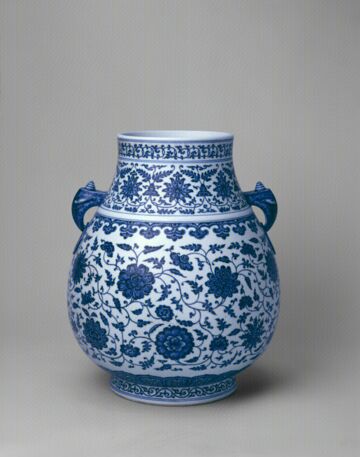
The Palace Museum