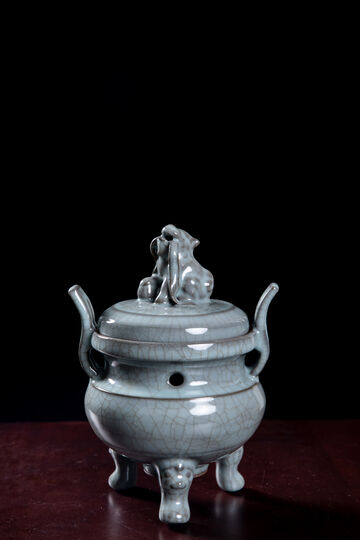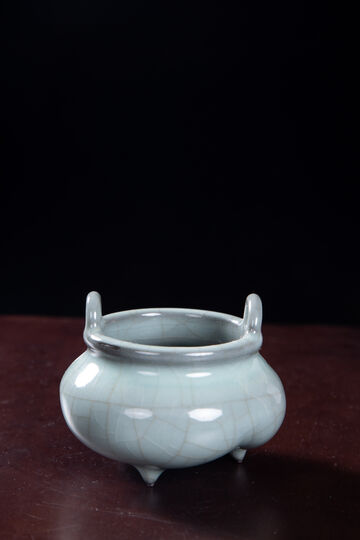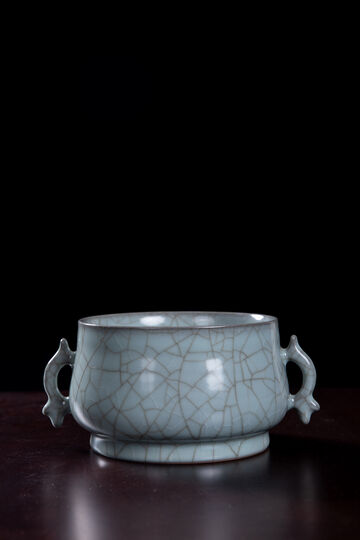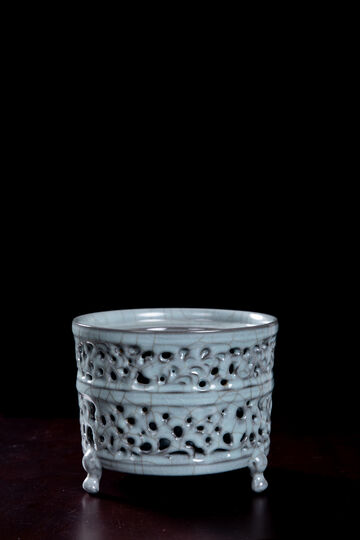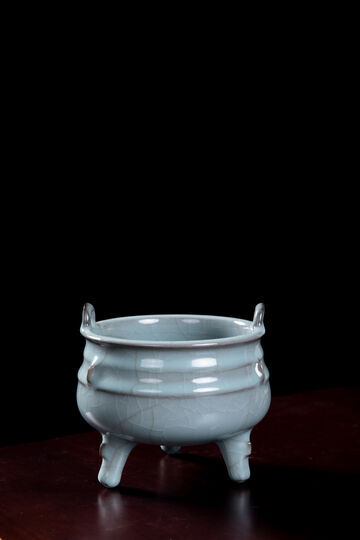
The Ding-Form Censer is modeled after one of the most venerable vessel types in Chinese material culture. Featuring a rounded, flattened body, three fully glazed legs, and a pair of upright loop handles rising from the rim, the form is both compact and dignified. The censer rests on a broad circular base, with five spur marks visible on the underside—evidence of traditional kiln firing techniques. Measuring 12.2 cm in mouth diameter and 10.9 cm in height, the vessel presents a harmonious, well-balanced profile of quiet grandeur.
The body is made from a fine, pale gray-white clay, carefully refined to achieve a dense and delicate texture. It is coated overall in a luminous Tianqing glaze, prized for its jade-like clarity and softness. The glaze surface displays naturally formed crackle, developing organically during firing and lending the censer a refined visual rhythm. Smooth and translucent, the glaze exemplifies the Song dynasty ideal of understated elegance.
Historically, the ding originated as a ceramic cooking vessel in prehistoric times, designed for preparing food over an open flame. Its three legs functioned as supports above the hearth, with fire kindled beneath the rounded body. From the Shang and Zhou dynasties onward, with the widespread adoption of bronze, the ding evolved into a central ritual vessel, used in sacrificial ceremonies and symbolizing social rank and political authority. Strict regulations governed its use, expressed in the well-known system of “nine ding for the Son of Heaven, seven for feudal lords, five for ministers, and three for lower nobles.” Over time, the ding became an emblem of royal power and state legitimacy, often cast through immense national effort.
Following the Qin dynasty, the ding gradually lost its exclusive association with royal authority. With the spread of Buddhism in China, its form was preserved and transformed. Later ding vessels were commonly placed before temple halls, serving both as architectural ornaments and as incense burners, giving rise to the term “ding censer.” This evolution reflects the enduring adaptability of classical forms within changing cultural and religious contexts.
Combining archaic ritual heritage with the gentle refinement of celadon, this Ding-Form Censer stands as both a functional incense vessel and a cultural artifact. Its rounded, monumental presence and jade-like glaze allow it to bridge ancient symbolism and later spiritual practice, offering collectors a work of deep historical resonance and timeless aesthetic appeal.
- Classic ding-form censer derived from ancient ritual vessels
- Tianqing celadon glaze with natural crackle and jade-like texture
- Fine gray-white clay body, dense and delicately finished
- Traditional firing evidenced by five spur marks on the base
- Balanced, compact proportions with strong visual presence
- Represents the transformation of royal ritual form into religious incense ware
- Suitable for scholar’s studio, meditation space, or refined display
| Body Clay | Iron-rich |
| Glaze | Tianqing |
| Firing | Reduction |
| Dimensions | Height: 10.9cm Width: 12.2cm |
| Size Type | Small |
| Style | Traditional |
| Function | Decor,Burner,Collectible |
Zhang Haiyang
Typologies Preserved Across Dynasties
For scholarly validation, cross-reference the structural glaze profiles and profile matrices of this contemporary creation against globally cataloged archetypes held in museum sanctuaries.
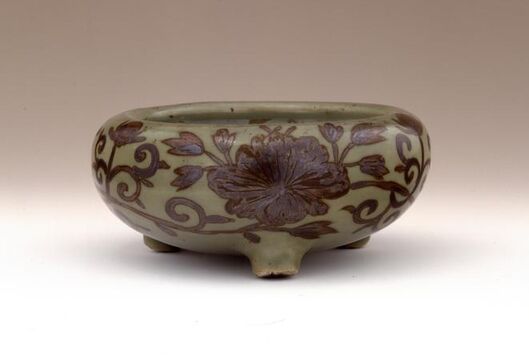
The British Museum
censer
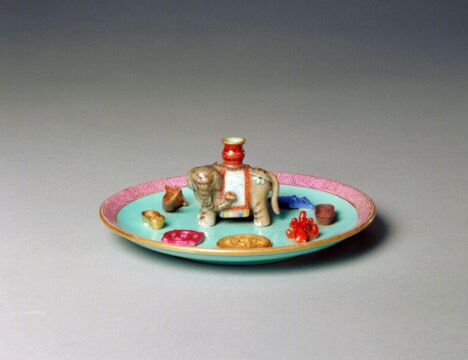
The Palace Museum
嘉庆款绿地粉彩象驮瓶香插
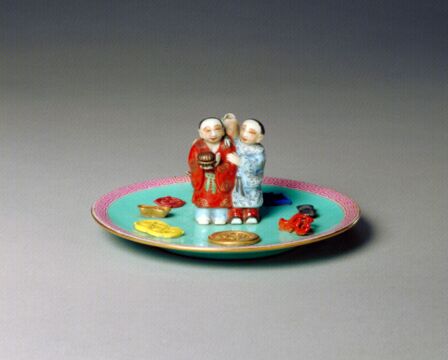
The Palace Museum
嘉庆款绿地粉彩双人背筒香插
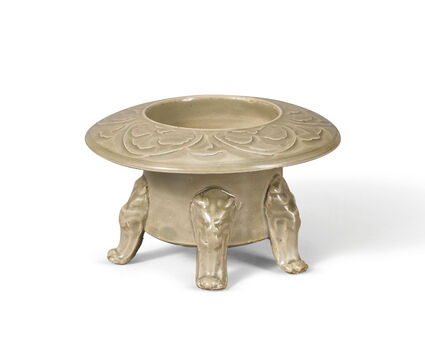
Christie's Auction House
A Rare Yaozhou Celadon Five-Legged Censer
Realised: HKD 475,000
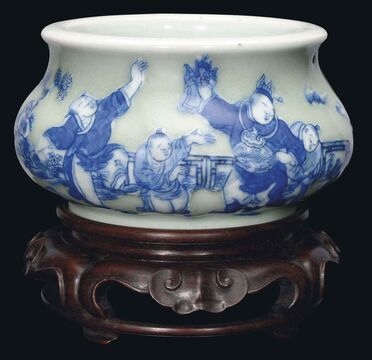
Christie's Auction House
A Celadon And Underglaze Blue Moulded Censer
Realised: GBP 3,250
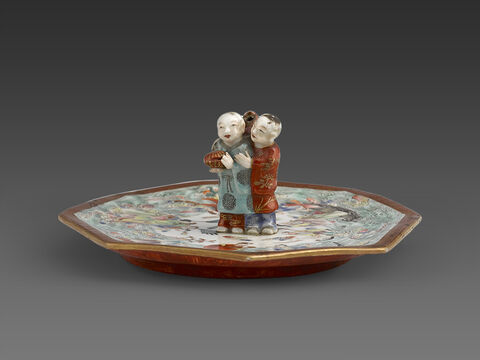
Shanghai Museum
景德镇窑粉彩和合二仙香插
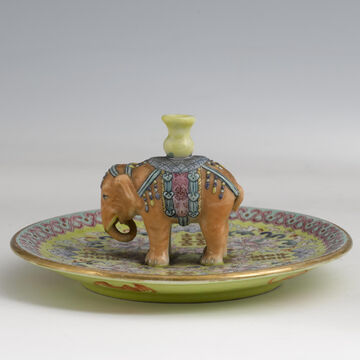
Shanghai Museum
景德镇窑粉彩太平有象香插
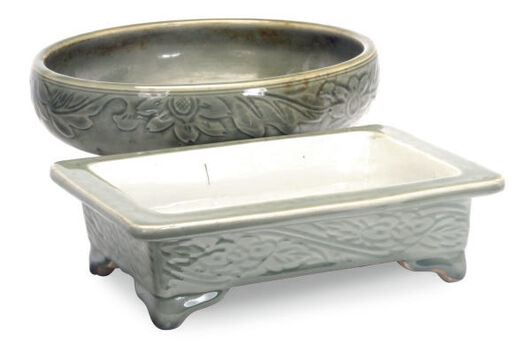
Christie's Auction House
A Celadon Glazed Censer On Three Feet And Rectangular Jardinere,
Estimate: USD 500 - 700
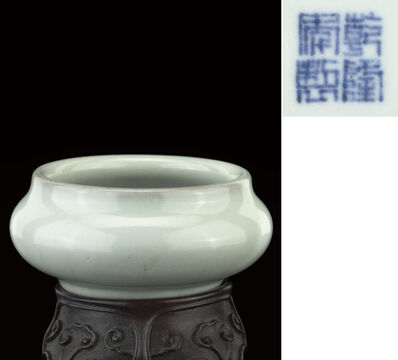
Christie's Auction House
A Small Celadon Glazed Censer, Qianlong Mark And Of The Period (1736-1795)
Realised: GBP 6,000
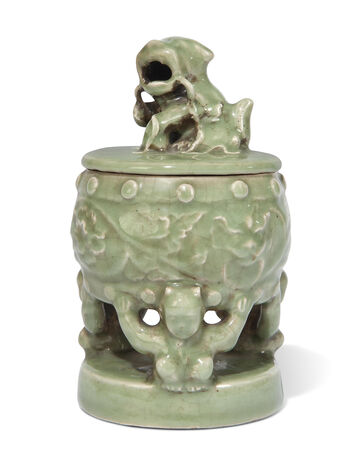
Christie's Auction House
A Celadon-Glazed Censer, Cover And Stand
Estimate: GBP 2,000 - 3,000
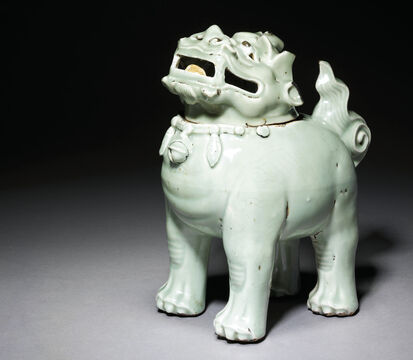
Christie's Auction House
A Rare Ming Celadon 'Lion' Censer And Cover
Realised: GBP 18,750
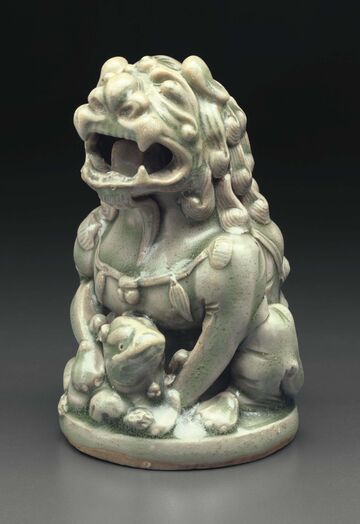
Christie's Auction House
A Yaozhou Celadon Lion And Cub-Form Censer Cover
Realised: USD 15,000
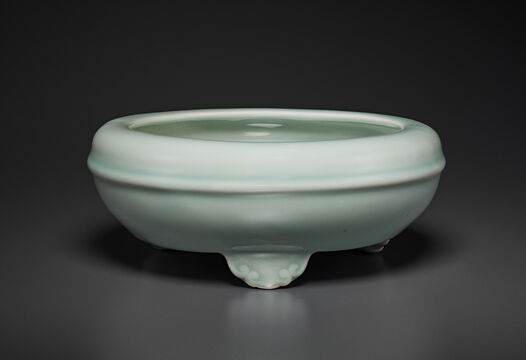
Christie's Auction House
A Celadon-Glazed Tripod Censer
Realised: USD 50,400
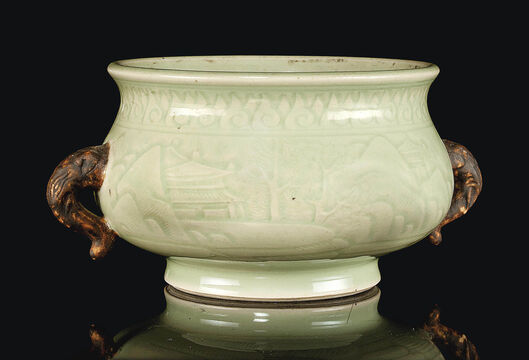
Christie's Auction House
A Carved Celadon-Glazed Censer
Realised: GBP 3,500
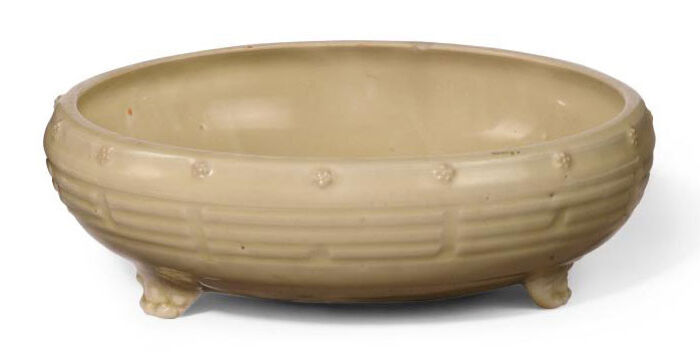
Christie's Auction House
A Chinese Celadon Tripod Censer
Estimate: GBP 300 - 500
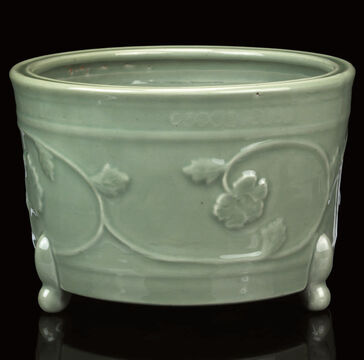
Christie's Auction House
A Celadon Ming-Style Tripod Censer
Estimate: GBP 1,000 - 1,500
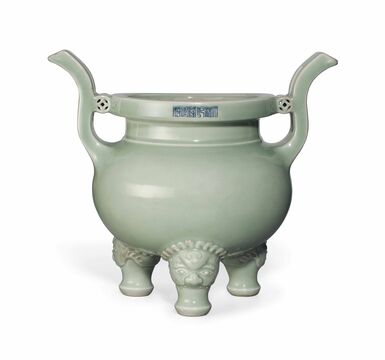
Christie's Auction House
A Large Celadon-Glazed Tripod Censer
Realised: GBP 21,250
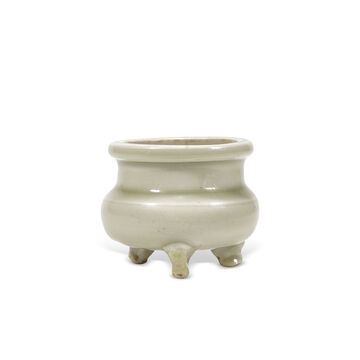
Christie's Auction House
A Small Yaozhou Celadon Tripod Censer
Estimate: HKD 50,000 - 80,000
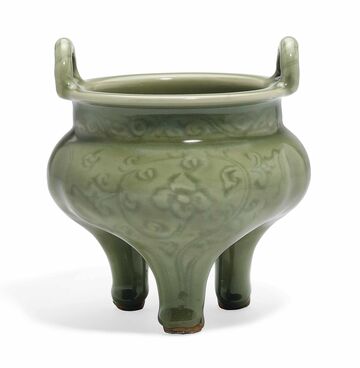
Christie's Auction House
A Small Chinese Celadon Tripod Censer
Realised: GBP 4,750