Historic Ceramic Art, Cultural Heritage, Museum Collections & Auction Provenance.
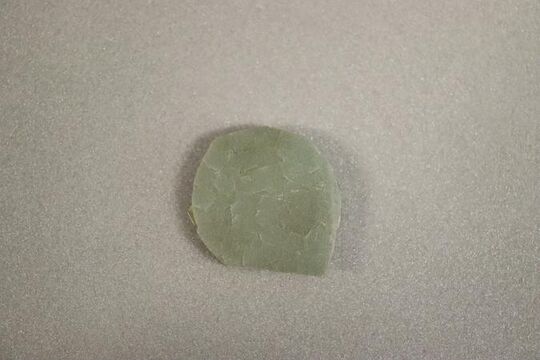
A Chinese Longquan stoneware ceramic vessel dating from the 13th to 15th centuries with soft celadon glaze.
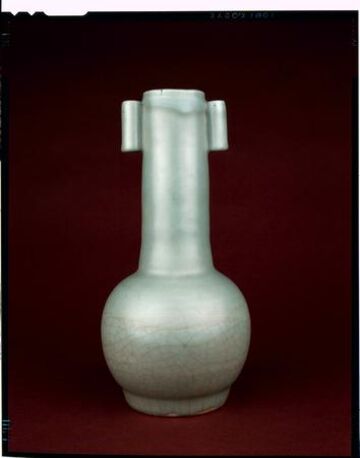
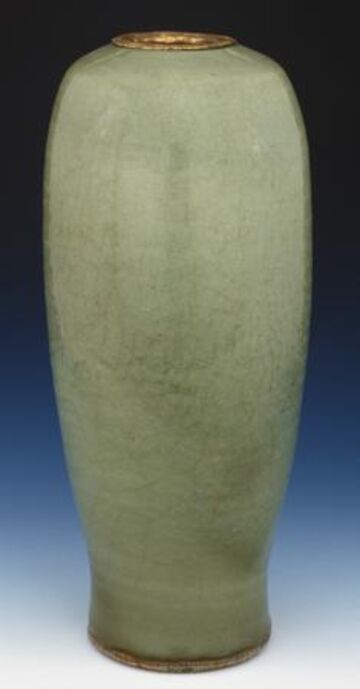
A 14th-century Longquan celadon stoneware vase with baluster body and olive-green glaze covering subtle carved elements.
A 16th-century Ming dynasty Longquan celadon ceramic stand intended to support a horticultural pot, with pierced and molded aprons.
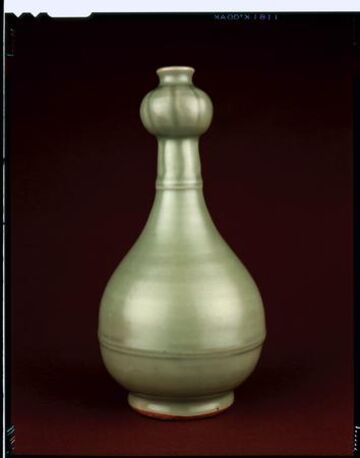
An early Ming dynasty Longquan celadon stoneware bottle vase with pear-shaped body and slim neck under an olive-green glaze.
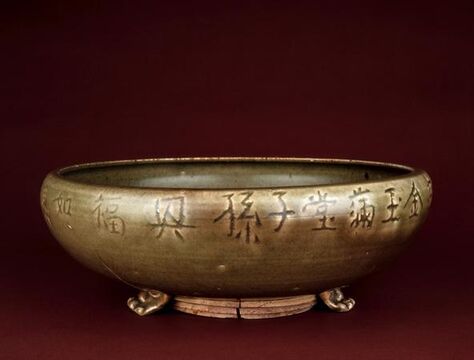
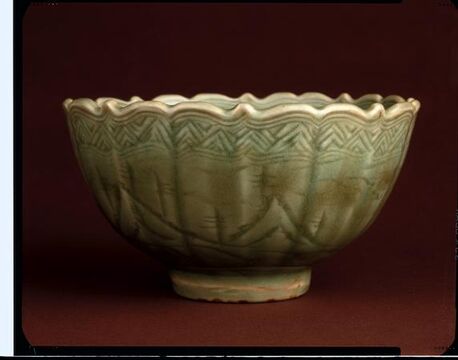
A 15th-century Ming dynasty Longquan celadon bowl produced from the Yongle to Chenghua eras, coated in a thick monochrome glaze.
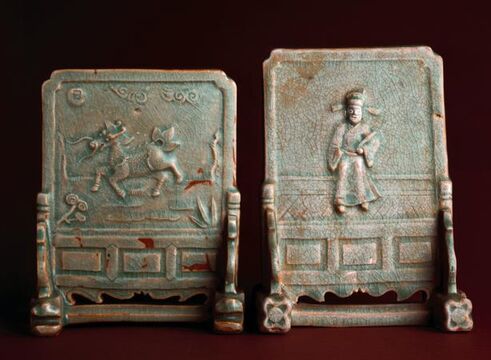
A Longquan celadon table screen for a scholar's studio dated to 1492 (Hongzhi reign), Ming dynasty, decorated in molded relief.
A Chinese Longquan stoneware ceramic vessel dating from the 13th to 15th century, covered with an unctuous olive glaze.
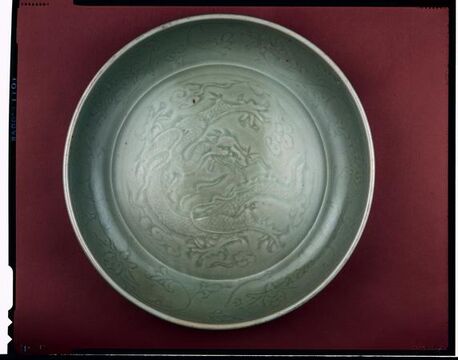
A Ming dynasty Longquan celadon dish produced during the Yongle reign (1403–1424) with thick unctuous olive glaze.
A late Ming dynasty Longquan celadon altar vase made during the Wanli to Chongzhen eras, carved with ritual bandings.
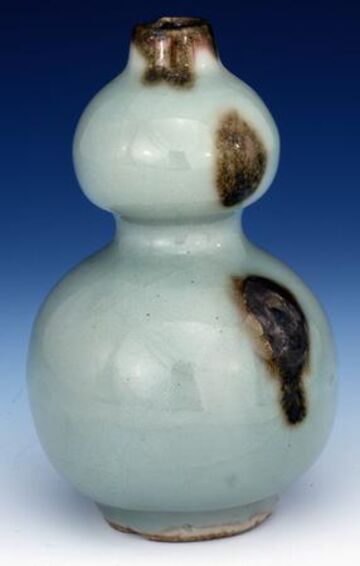
A porcelain bottle vase dating precisely to the Wanli reign (1573–1620) of the Ming dynasty, potted with a swelling globular body and tapered neck under a clear celadon glaze.
A 16th-century Ming dynasty celadon vase from the Percival David Collection, potted with a baluster body under a glossy olive-green glaze.
A late Ming dynasty celadon vase from the Percival David Collection, potted with a baluster body and olive-green glaze.