Historic Ceramic Art, Cultural Heritage, Museum Collections & Auction Provenance.
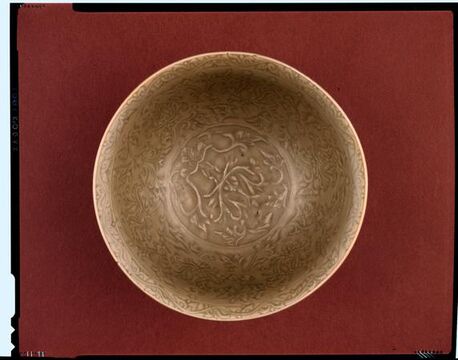
An early Ming imperial Longquan celadon bowl from the Percival David Collection, carved with floral decoration under an unctuous sea-green glaze.
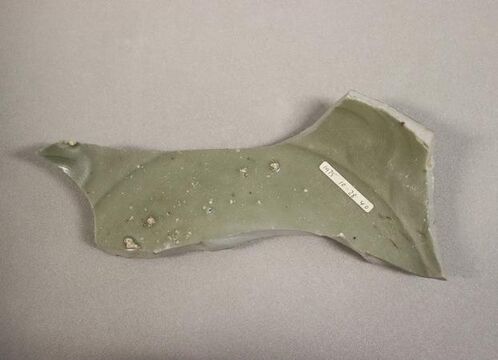
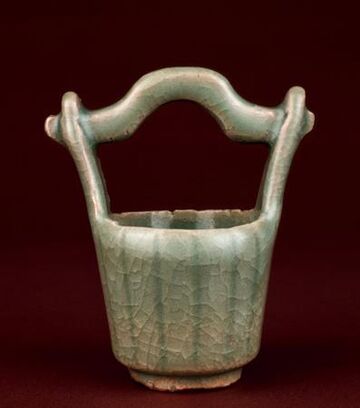
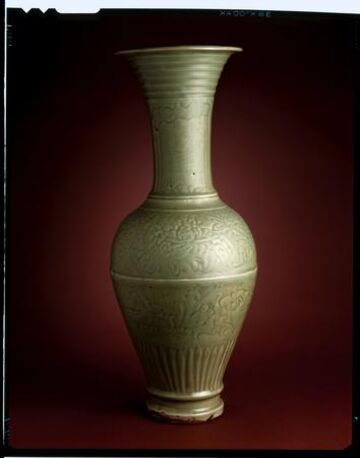
A Chinese celadon stoneware vessel dating from the 13th to 15th centuries, covered in a translucent celadon glaze over a grey stoneware body.
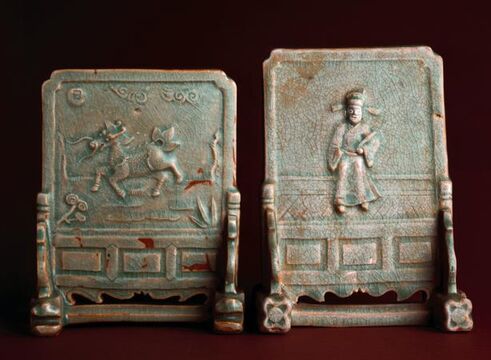
An important inscribed Longquan celadon table screen dated to 1492 during the Hongzhi reign, decorated with reliefDaoist motifs.
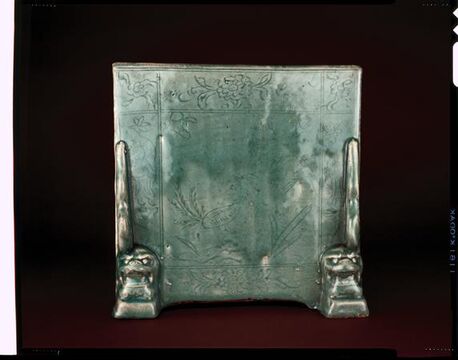
A 16th-century Longquan celadon ceramic table screen from the Percival David Collection, moulded with Daoist relief scenes.
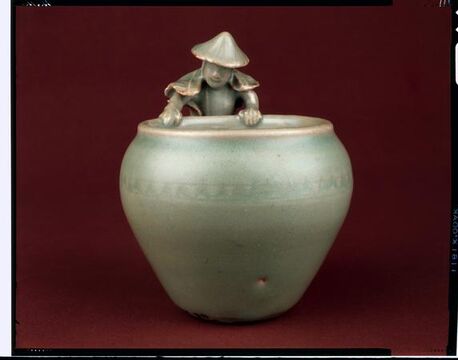
A late Ming dynasty scholar's water pot from the Percival David Collection, potted in compressed form with a celadon glaze.
A Chinese celadon stoneware vessel from the British Museum, glazed in olive-celadon.
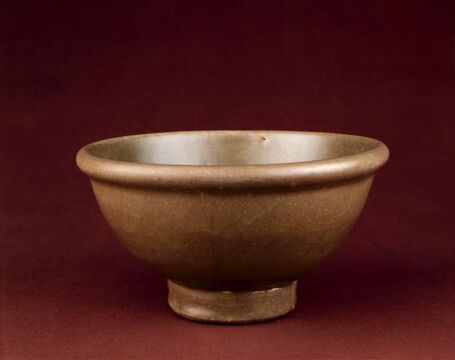
An early Ming dynasty ceramic bowl from the Percival David Collection, showcasing a refined conical profile and an unctuous, thick pale olive-green glaze typical of early imperial tribute Longquan ware.
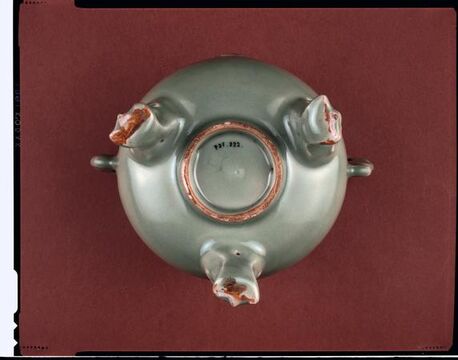
Dating to the 14th century (late Yuan to early Ming), this celadon incense burner stands on three short conical legs with a wide flattened mouthrim and an attractive semi-opaque green glaze.
A pivotal reference piece dated by inscription to the fifth year of the Jingtai reign (1454), displaying dynamic carved ornamentation and demonstrating mid-15th century Longquan imperial style.
An exceptionally potted early 15th-century Ming celadon jar dating to the Yongle/Xuande reigns from the Percival David Collection, displaying pristine glaze control and harmonious curves.
A late Ming dynasty Longquan stoneware jar from the British Museum, presenting a sturdy globular form and a thick, glassy celadon glaze.
A celadon-glazed ceramic vessel from the British Museum collection dating between the 13th and 15th centuries, coated in an unctuous monochrome glaze.