Historic Ceramic Art, Cultural Heritage, Museum Collections & Auction Provenance.
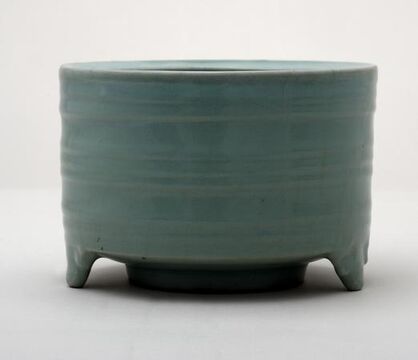
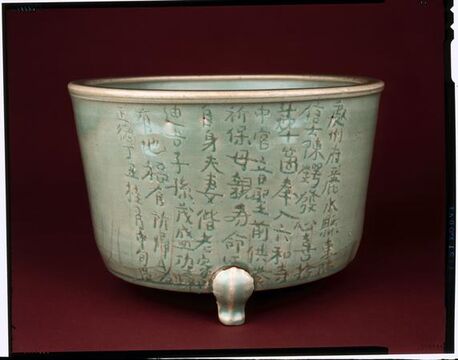
Featuring archaic bronze ding proportions, this censer has three columnar legs and subtle raised flanges, enveloped in a rich, unctuous green glaze.
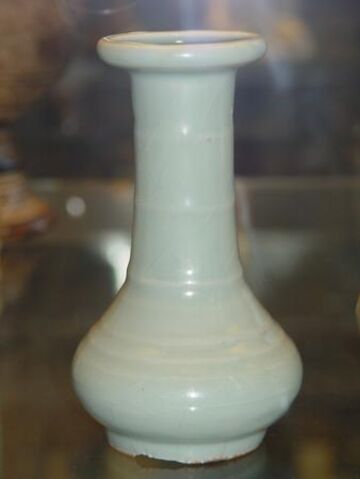
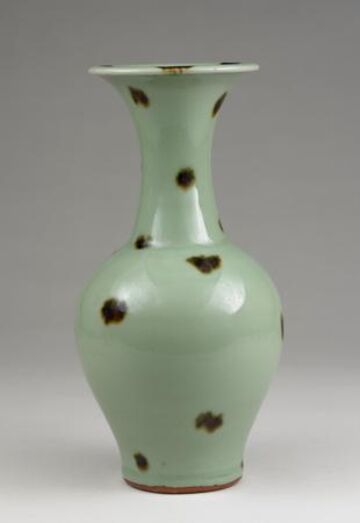
Featuring a slender neck and swelling rounded belly, this vase demonstrates the elegant simplicity of Song monochrome ceramics under a soft green glaze.
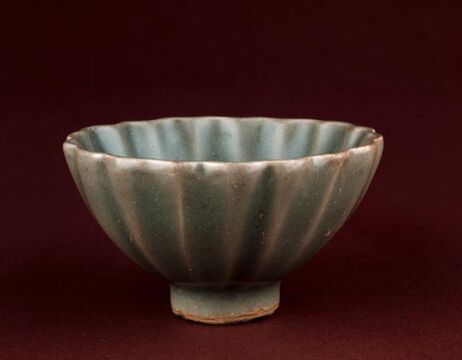
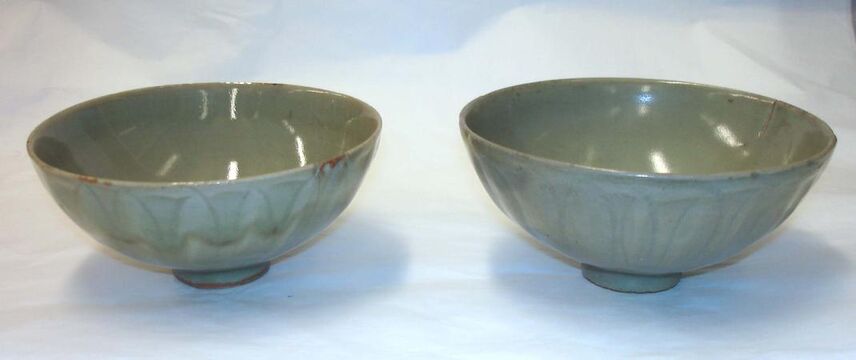
A finely thrown drinking vessel with a slightly everted lip and delicate footring, coated in a serene, semi-translucent green celadon glaze.
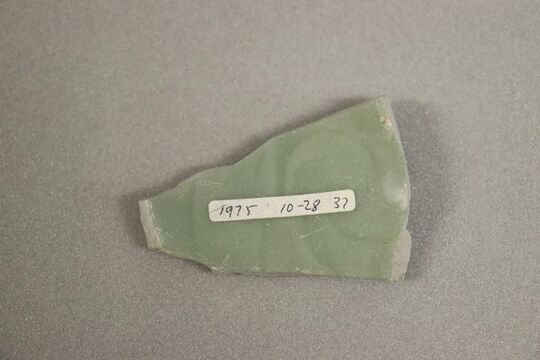
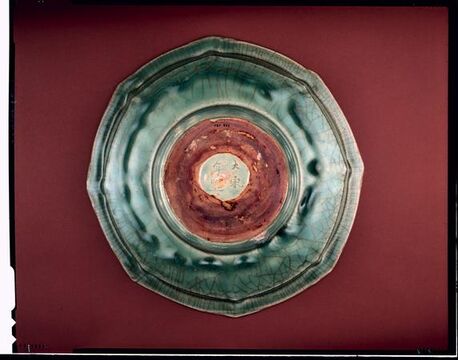
A utilitarian or ritual celadon vessel coated in a heavy green glaze with typical Longquan kiln iron-rich clay body showing orange at the unglazed base.
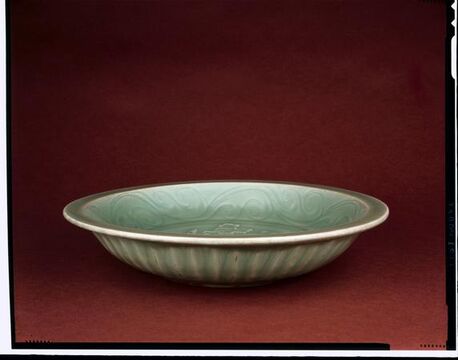
With smooth potting and an even lip, this dish showcases the serene jade-green monochrome glaze favored during the late Southern Song and Yuan periods.
An important historical piece bearing a dated dedicatory inscription from the 12th year of Zhengde (1517), featuring a sturdy cylindrical form supported on three feet under an olive-green glaze.
A well-potted baluster vase covered in a rich, saturated celadon glaze, characteristic of Longquan wares produced for temple worship and export during the 14th century.
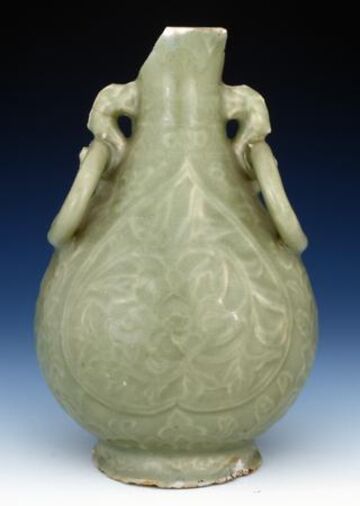
Created in the early 15th century, this vase showcases the lustrous jade-like glaze and crisp incised registers favored by the early Ming imperial court.
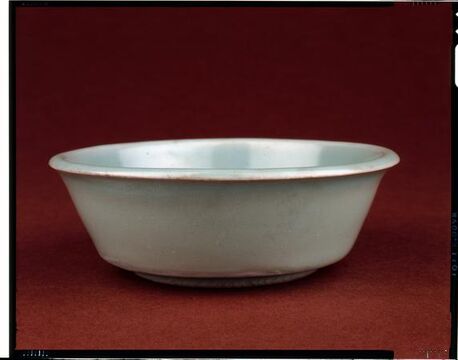
Exhibiting the minimalist elegance of Song aesthetics, this bowl features steep flaring sides, a small footring, and a silky sea-green monochrome glaze.
Produced in the waning years of the Ming dynasty, this dish retains the heavy potting and deep olive-green glaze typical of late Longquan kilns.
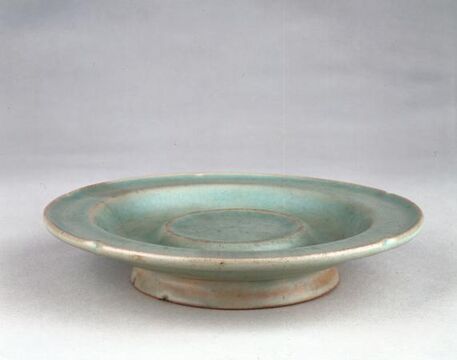
Constructed to hold a delicate tea cup, this stand features a wide flaring flange and raised central rim, covered in a translucent, finely crackled green glaze.