Historic Ceramic Art, Cultural Heritage, Museum Collections & Auction Provenance.
Designed with a hollow double-walled cavity to hold hot water and keep food warm, this functional bowl is finished in an unctuous green celadon glaze.
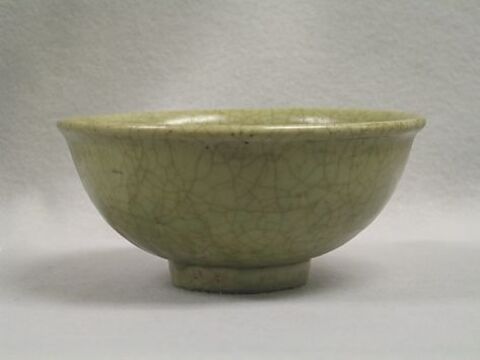
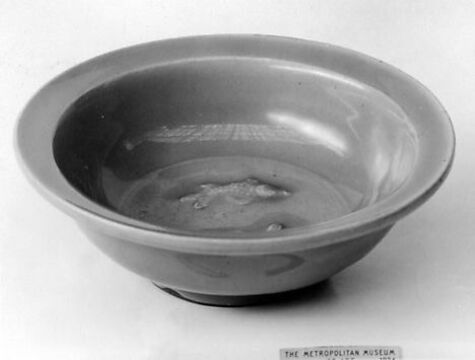
Dating to the 13th century, this bowl features a small footring, flaring profile, and a smooth olive-green celadon glaze with subtle natural crackling.
A 15th-century Ming dynasty Longquan celadon bowl of deep rounded form, coated in an unctuous sea-green glaze over carved motifs.
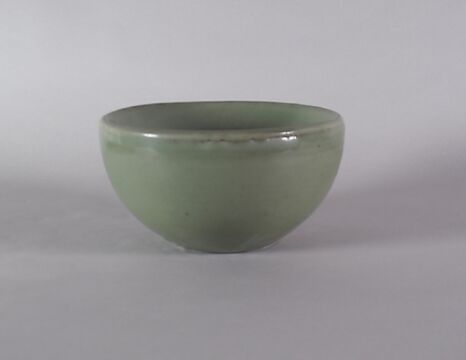
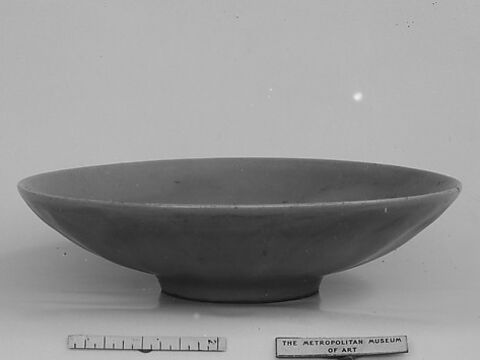
A Chinese celadon stoneware bowl featuring gently curving walls and a fine monochrome glaze over a dense gray-white body.
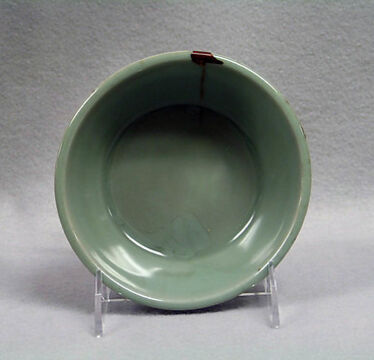
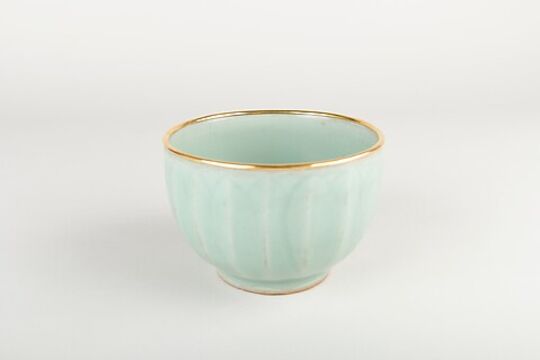
A Chinese Longquan celadon shallow bowl with an exterior carved with delicate lotus petals beneath an unctuous glaze.
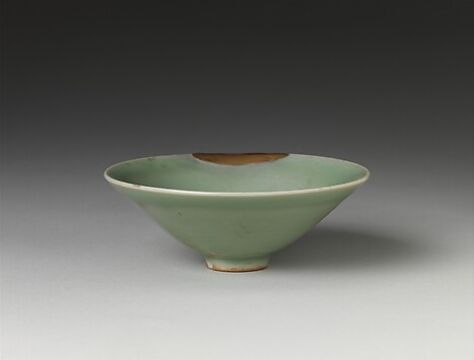
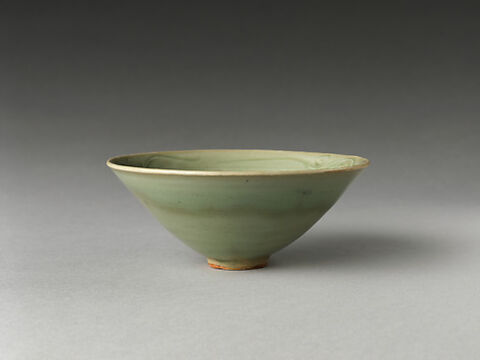
A Chinese Longquan celadon tea bowl with conical profile, potted thinly at the rim and coated in an unctuous olive-green glaze.
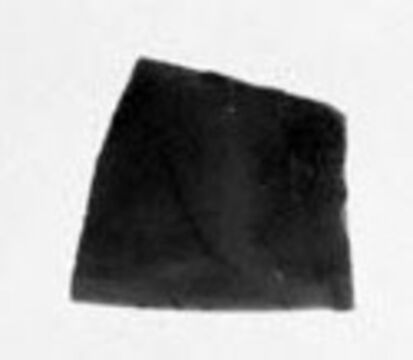
A ceramic sherd of a Chinese Longquan celadon bowl showing the cross-section of the dense gray stoneware body and glaze.
A 13th-century Longquan celadon bowl molded inside with a blossoming plum branch beneath a slender crescent moon.
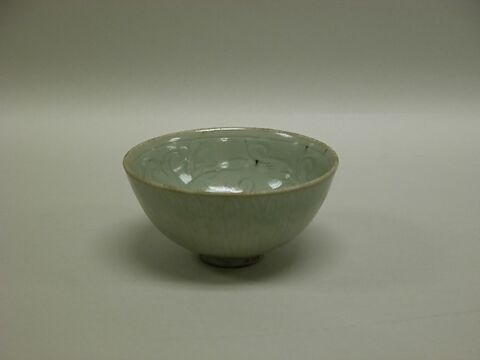
A 14th-century Yuan dynasty Longquan celadon bowl incised with floral medallions and scrolling foliage beneath a thick olive-green celadon glaze.
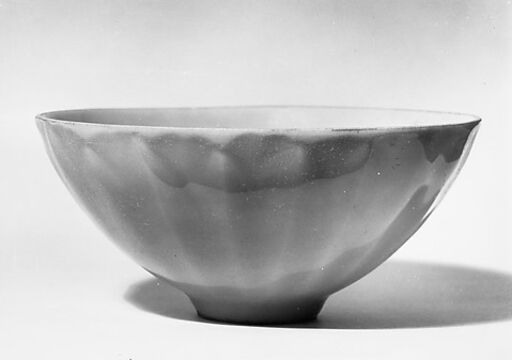
A 12th-century Song dynasty celadon bowl with conical walls and small foot, covered in a soft jade-green celadon glaze.
A 12th-century Northern/Southern Song dynasty bowl from the Metropolitan Museum of Art, featuring thinly potted walls and an alluring, soft monochrome glaze.
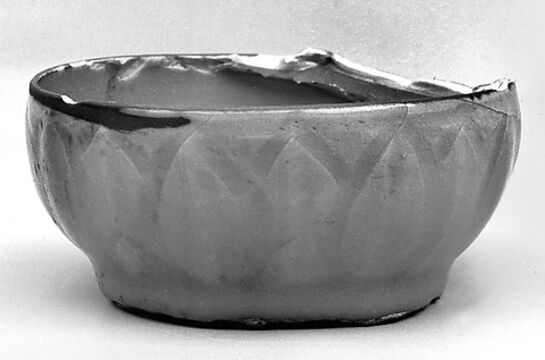
An archaeological kiln waster of a Longquan lotus petal bowl fused to kiln furniture, offering essential insight into medieval Southern Song and Yuan firing technologies.