Historic Ceramic Art, Cultural Heritage, Museum Collections & Auction Provenance.
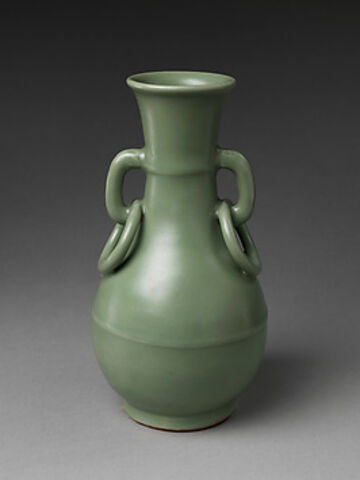
This archaistic celadon vase echoes the powerful silhouette of bronze zun or fanghu vessels, detailed with flange ridges and handles under a semi-translucent green glaze.
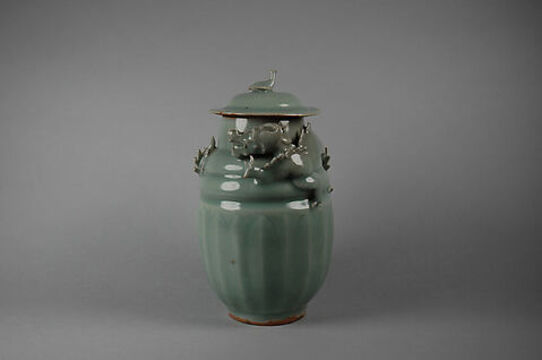
Featuring vertical ribbing along the body and a fitted domed cover, this piece showcases the understated beauty and jade-like glaze of 12th-century Longquan wares.
Designed with a hollow double-walled cavity to hold hot water and keep food warm, this functional bowl is finished in an unctuous green celadon glaze.
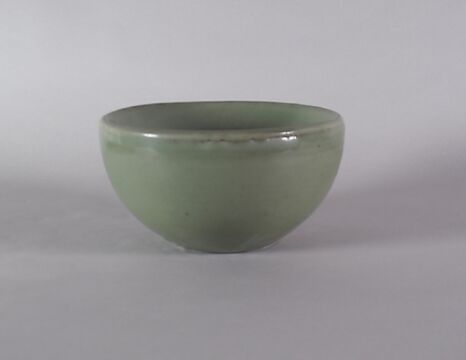
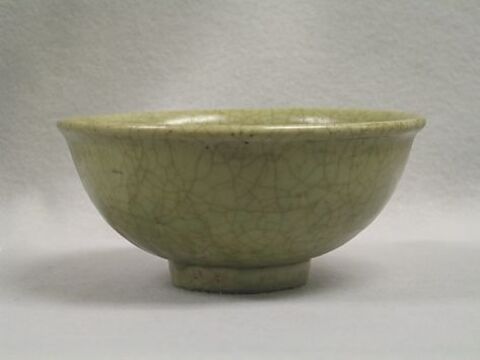
Dating to the 13th century, this bowl features a small footring, flaring profile, and a smooth olive-green celadon glaze with subtle natural crackling.
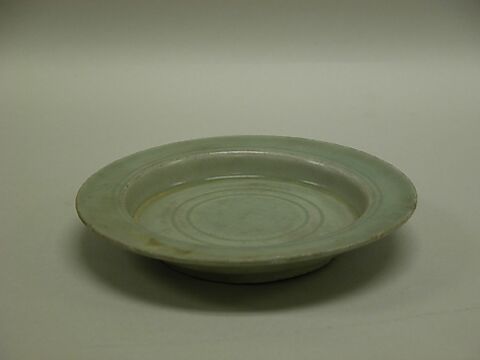
Reflecting early celadon production traditions of the 10th century, this saucer features a thin body and greenish-yellow olive glaze with fine age crackle.
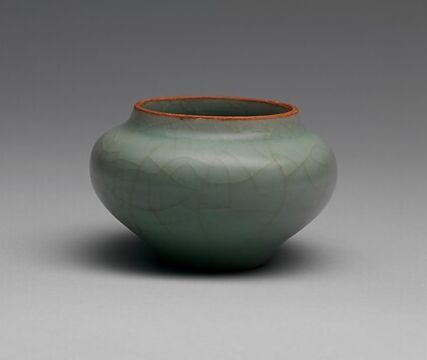
Potted with a rolled mouthrim and wide swelling body, this jar showcases the thick, glossy celadon glaze of the Longquan kiln tradition.
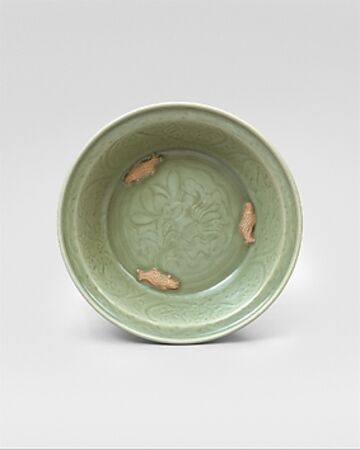
This substantial basin features steep sides, an everted flat rim, and carved floral motifs inside the well under a rich, glossy olive-green glaze.
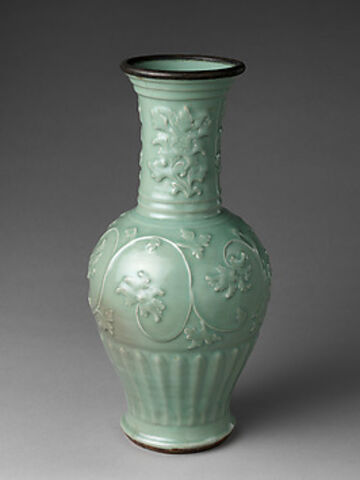
With a flaring neck and robust baluster body, this vase features deep, rhythmic carvings of scrolling peonies beneath a translucent green celadon glaze.
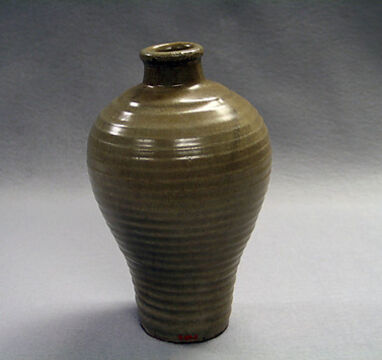
This classic meiping displays a small everted lip, broad swelling shoulder, and tapering waist, coated in an unctuous pale green celadon glaze.
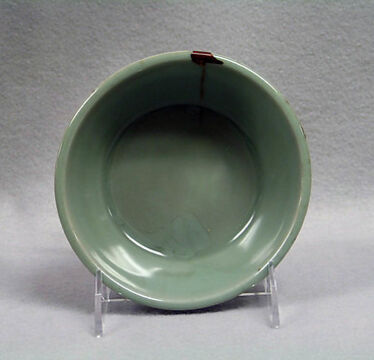
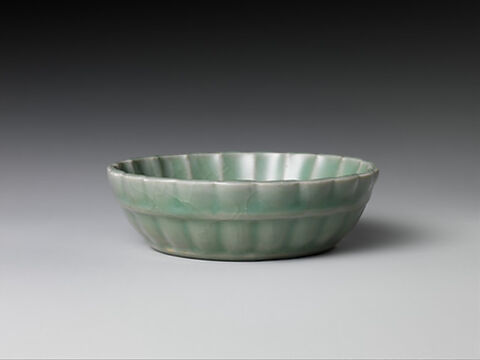
This shallow scholar's washer features an incised lotus flower head on the interior basin and carved petals on the exterior beneath a sea-green glaze.
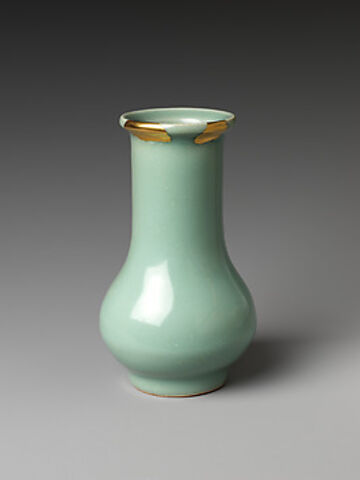
A Chinese Longquan celadon vase featuring balanced proportions and a translucent, glossy olive-green glaze typical of southern kilns.
A 15th-century Ming dynasty Longquan celadon bowl of deep rounded form, coated in an unctuous sea-green glaze over carved motifs.