Historic Ceramic Art, Cultural Heritage, Museum Collections & Auction Provenance.
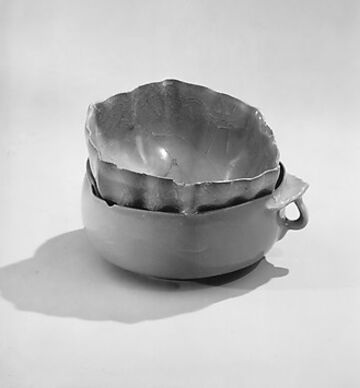
A ceramic production relic from a 12th-century Song kiln site, displaying vitrified stoneware vessels fused together during the high-temperature firing process.
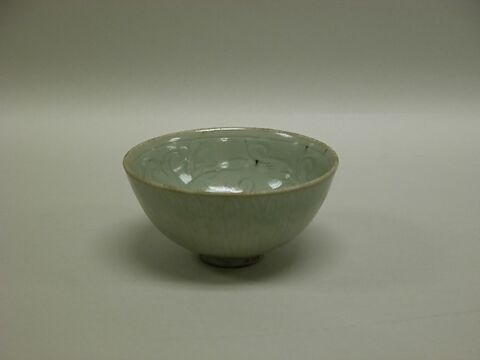
A 14th-century Yuan dynasty Longquan celadon bowl incised with floral medallions and scrolling foliage beneath a thick olive-green celadon glaze.
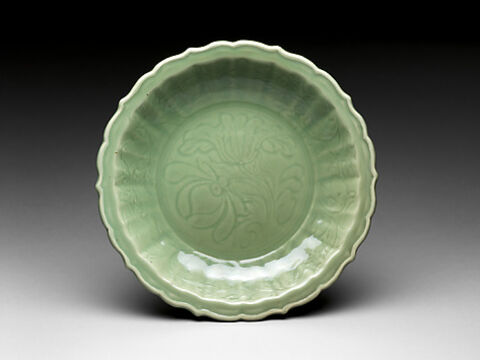
A 15th-century early Ming Longquan celadon plate carved with a blossoming lotus in the central medallion and fluting along the cavetto.
A 12th-century Song dynasty celadon bowl with conical walls and small foot, covered in a soft jade-green celadon glaze.
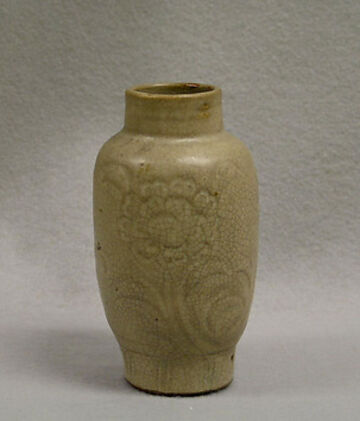
A late Ming dynasty Longquan celadon ovoid jar carved with undulating floral foliage, finished with a luminous translucent green glaze over a dense light grey stoneware body.
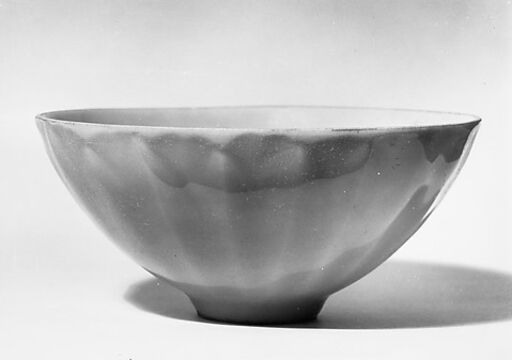
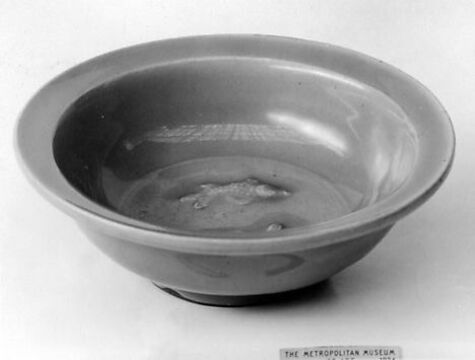
A 12th-century Northern/Southern Song dynasty bowl from the Metropolitan Museum of Art, featuring thinly potted walls and an alluring, soft monochrome glaze.
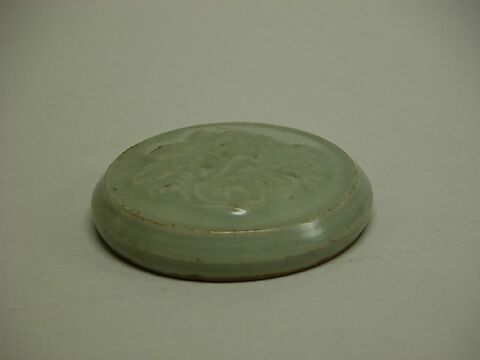
A 12th-century Song dynasty celadon box lid carved with low-relief decorative motifs, coated in an unctuous powdery green glaze.
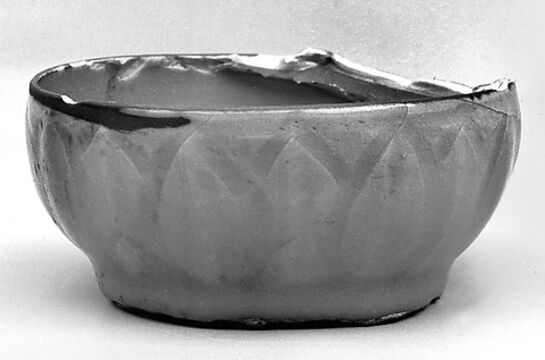
An archaeological kiln waster of a Longquan lotus petal bowl fused to kiln furniture, offering essential insight into medieval Southern Song and Yuan firing technologies.
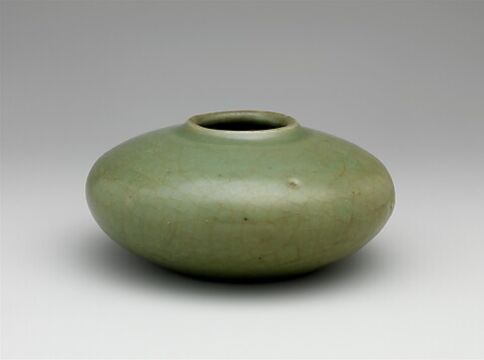
A 13th-century Longquan celadon scholar's water pot of compressed globular form, showcasing a refined jade-like glaze.
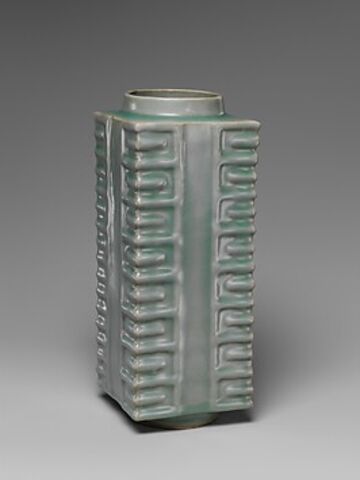
A 13th-century Longquan celadon cong vase with raised horizontal corner bars, evoking Neolithic ritual jade prototypes.
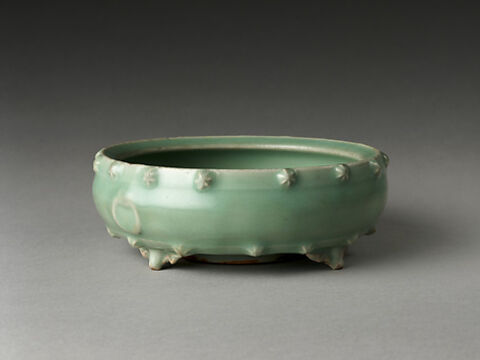
A 13th-century Longquan celadon bulb container or narcissus bowl, supported on three ruyi-form feet and coated in a soft green glaze.
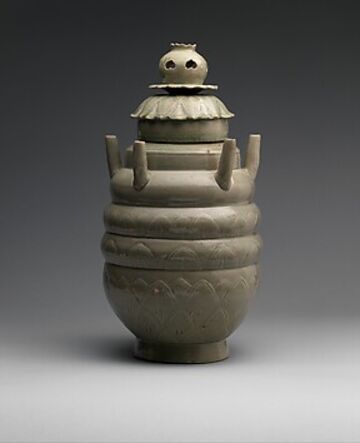
A 10th-century funerary jar from the Metropolitan Museum of Art, featuring stepped horizontal registers and an olive-green proto-celadon glaze.