CeladonAge Sparkling: Stories of Celadon Art, Glaze, and Culture

Crackles

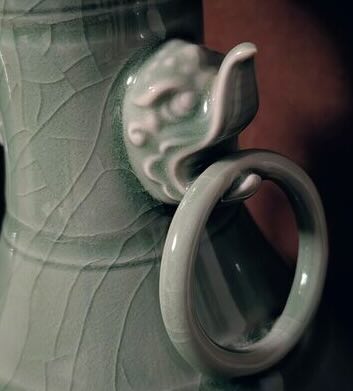
Crackles: The Poetry of Glaze and Soul of Clay

From Raku’s Flames to Celadon’s Whisper, the Hidden Stories of Ceramics

Jan 11, 2026

Crackle is the hidden poetry etched across the surfaces of ceramic vessels, where delicate fissures transform glaze into intricate networks of light, shadow, and texture. It is a silent dialogue between clay, fire, and human touch, a map of imperfection rendered beautiful, and a testament to the unpredictable dance of kiln, glaze, and cooling. From the bold, smoky drama of raku, where sudden heat and reduction leave dark, lively lines, to the serene, jade-like whispers of celadon, whose subtle networks of fine fissures invite quiet reflection, crackle captures the essence of each firing technique. In Shino and ice crackle, frost-like patterns shimmer with the delicate grace of nature itself, while historic Guan and Ge wares preserve the visual poetry of “gold thread and iron wire,” a precise yet organic lace of crackles tracing centuries of tradition. Beyond technical mastery, crackle is an experience to be savored: it draws the eye along every line, engages the senses, and reminds us that beauty can emerge from imperfection, and that clay and glaze, when touched by fire and imagination, hold stories that transcend time, culture, and the surface itself.
Plant Motifs

Plant Motifs on Longquan Celadon

Symbolism and Beauty of Nature in China’s Famous Green-Glazed Ceramics

Jan 4, 2026

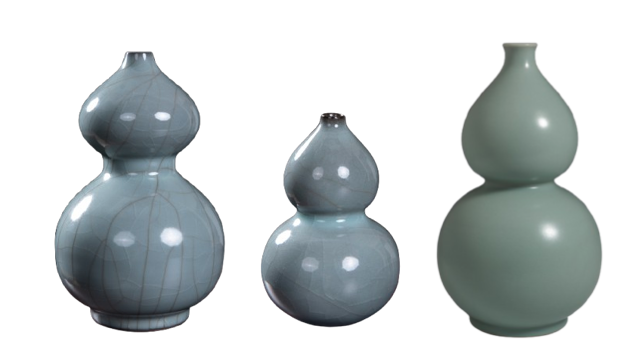
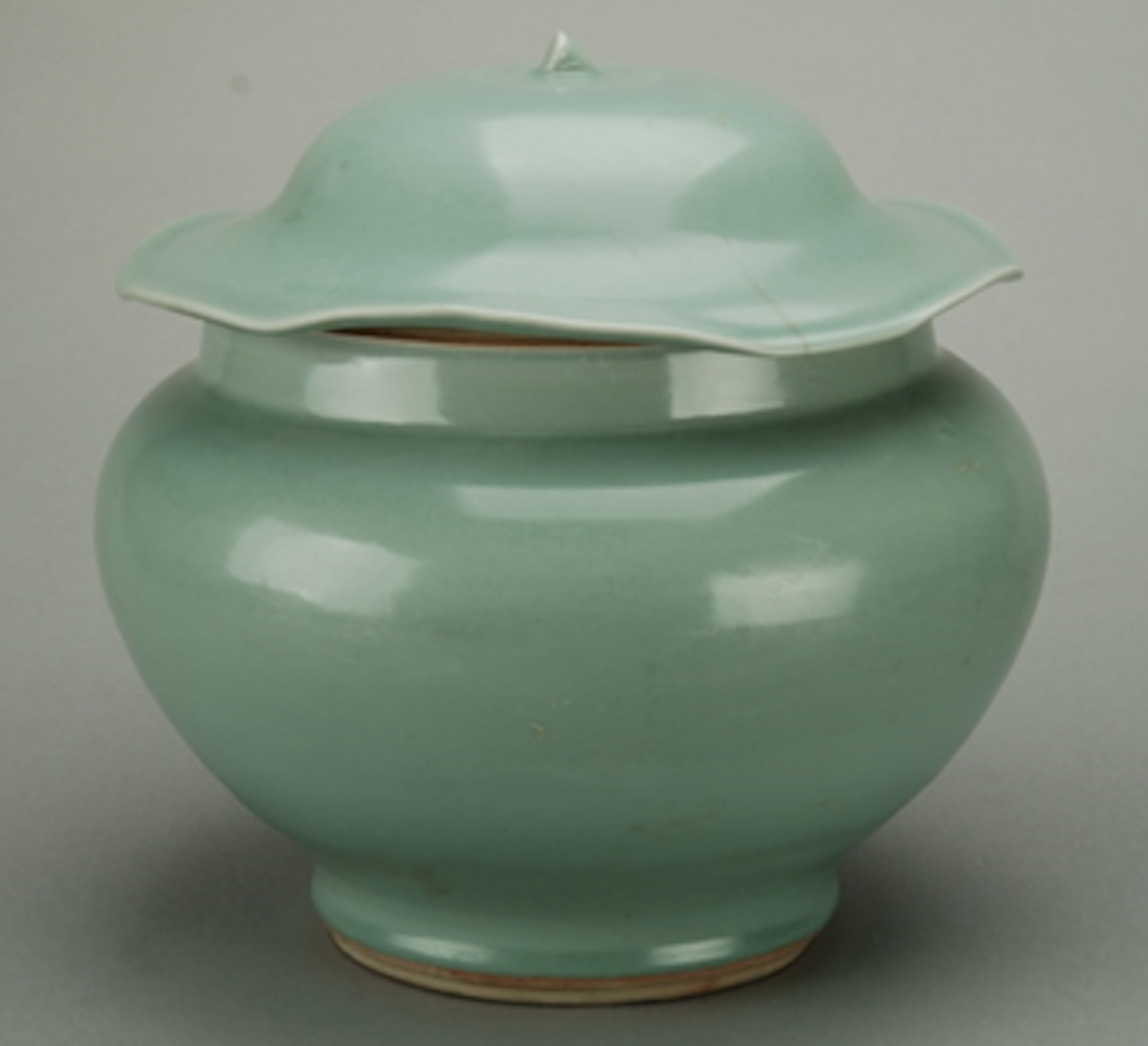
Beyond mere ornamentation, the plant motifs of Longquan celadon function as a sophisticated visual code, translating ancient Chinese philosophies into the medium of green-glazed stoneware. By mimicking the translucent beauty of jade, these ceramics utilize a botanical lexicon—including the plum, orchid, and lotus—to embody ideals of resilience, refinement, and spiritual purity. From the structural symbolism of the gourd to auspicious puns like the cabbage, each design conveys deep-seated wishes for prosperity and protection. This article explores how Longquan artisans integrated natural rhythms into clay, transforming functional vessels into enduring ethical and spiritual metaphors.

Story image

Why Longquan Celadon Is Exceptional

A Chinese Masterpiece Refined Over Two Millennia

Dec 5, 2025

Longquan celadon, with a history spanning nearly two thousand years, stands as one of the finest achievements of Chinese ceramic artistry. Its distinctive jade-like glaze and refined forms emerged through generations of technical innovation, from early proto-celadon firing to the sophisticated kiln mastery of the Southern Song dynasty. Over time, evolving cultural aesthetics—from the subtle elegance of Song scholars to the bold shapes favored in the Yuan and Ming periods—shaped its visual identity. Widely traded along the Maritime Silk Road, Longquan celadon became a global cultural ambassador, influencing artistic traditions across Asia, the Middle East, and Africa. Its survival through dynastic upheavals and into the modern era demonstrates enduring cultural resilience. Ultimately, Longquan celadon’s long history not only explains its technical and aesthetic excellence but also secures its status as a timeless symbol of craftsmanship and heritage.

Story image

A Farewell to a Century of Porcelain Wisdom

In Memory of Geng Baochang (1922 – 2025)

Nov 10, 2025

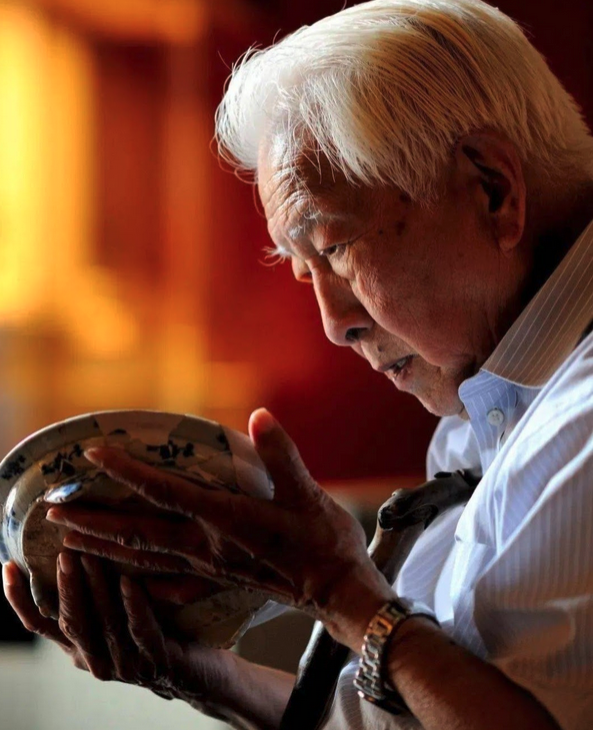
The world of Chinese cultural heritage mourns the passing of a legend. Geng Baochang (1922–2025) — China’s foremost authority on ancient ceramics — passed away peacefully in Beijing at the age of 103. Gentle, kind, and profoundly wise, Geng embodied compassion, insight, and quiet strength throughout his long and extraordinary life. For more than seven decades at the Palace Museum, he personally examined over 360,000 porcelain artifacts, leaving behind a legacy that bridges scholarship, craftsmanship, and humanity. A pioneer of underwater archaeology, he played a central role in the “Nanhai No.1” shipwreck project, unearthing more than 180,000 cultural relics and illuminating the ancient Maritime Silk Road. His landmark work, Appraisal of Ming and Qing Ceramics, remains a timeless cornerstone of ceramic scholarship.

Among all ceramics, Geng’s greatest love was Longquan celadon. He once said, “Longquan is jade made from earth — a conversation between heaven, water, and fire.”

Story image

Standing with Grace

Zhang Haiyang and the Celadon Rebirth of Longquan

Oct 26, 2025

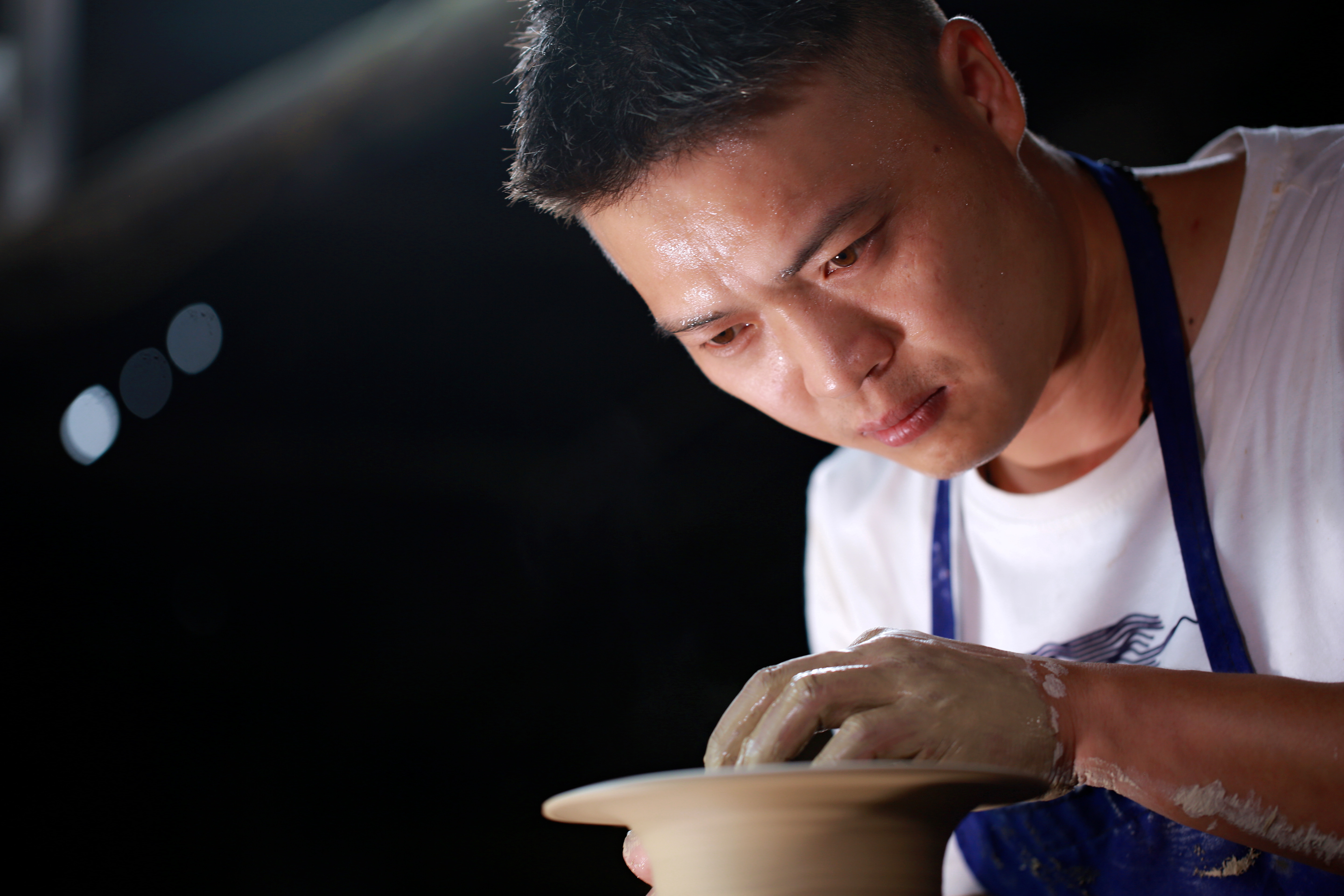
Zhang Haiyang’s journey is not one of overnight acclaim, but of decades marked by persistence, setbacks, and quiet breakthroughs. From a young boy growing up in a family of potters to a master whose works are now held in museum collections and displayed in the offices of global leaders, his path mirrors the very qualities embodied in his celadon: resilience, refinement, and unwavering strength through adversity.

In each vase, each crackle, each faint shimmer of jade green, lives a legacy rekindled—and a future still firing in the flames.

Story image

Longquan of the World

Longquan Celadon: A Living Legacy of Chinese Ceramics

Oct 12, 2025

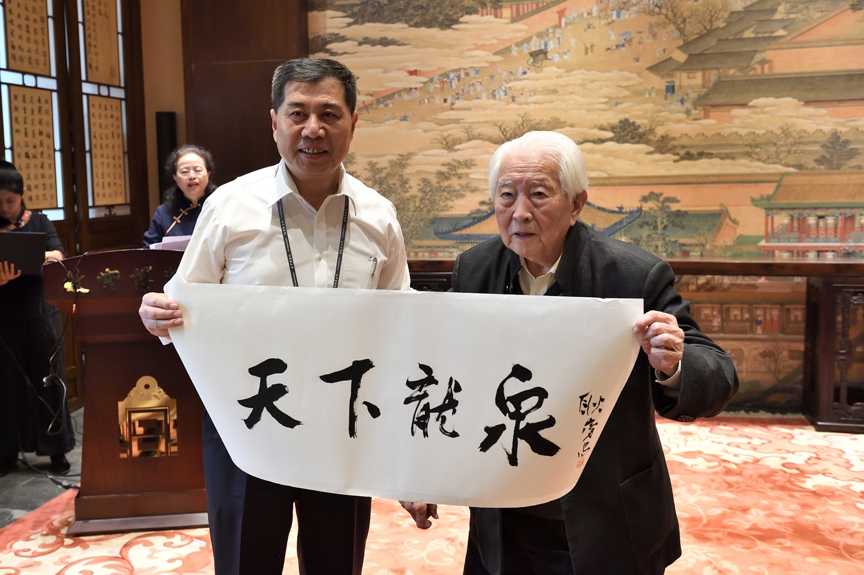
As the saying goes, "Half of China’s ceramic history lies in Zhejiang, and half of Zhejiang’s ceramic legacy lies in Longquan." This enduring expression, first voiced by renowned ceramic archaeologist Chen Wanli, captures the central role that Longquan has played in the evolution of Chinese ceramics.

More than a craft, Longquan celadon is a living art form—an enduring symbol of China’s artistic excellence, reborn for the future and shared with the world.

Story image

From Stone Age to Celadon Age

A Journey Through Clay, Fire, and Time

Sep 30, 2025

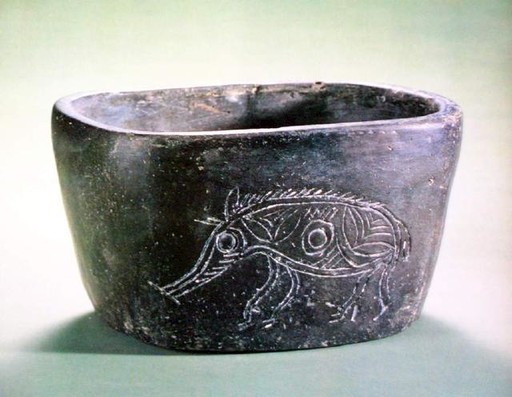
Long before kings ruled and poets wrote, early humans discovered the art of shaping earth and fire into vessels. In the Stone Age, pottery was born - not for beauty, but for survival. Yet as centuries passed, what was once purely practical became deeply cultural.

In the low, humid lands of today's Zhejiang Province, two Neolithic cultures - Hemudu and Majiabang - made early pottery with black and red clays, marked by cords, carved lines, and a desire to make everyday tools into something more. These modest beginnings were the first flickers of what would eventually become one of the world's most refined ceramic traditions: celadon.