Historic Ceramic Art, Cultural Heritage, Museum Collections & Auction Provenance.
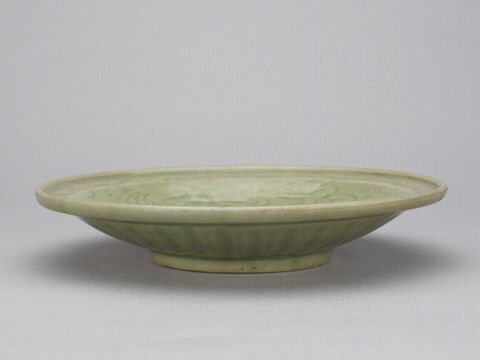
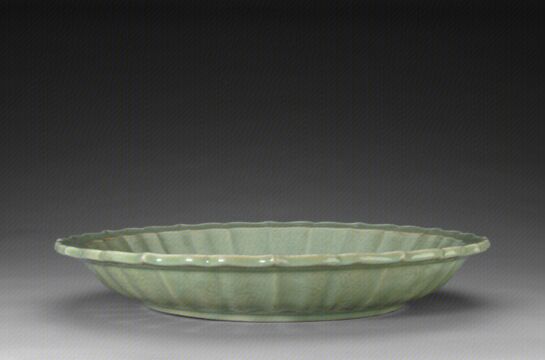
A Ming dynasty celadon dish featuring an everted fluted rim and incised scrolling lotus flowers across the cavetto and center.
A Ming dynasty celadon plate featuring a deeply incised central medallion depicting fruiting loquat branches under a lustrous glaze.
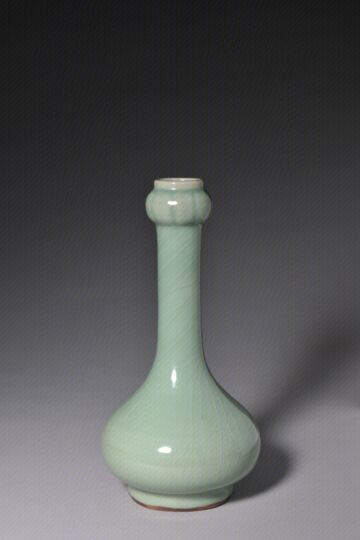
A Ming dynasty celadon vase characterized by an elongated cylindrical neck rising from a globular body, enveloped in a smooth sea-green glaze.
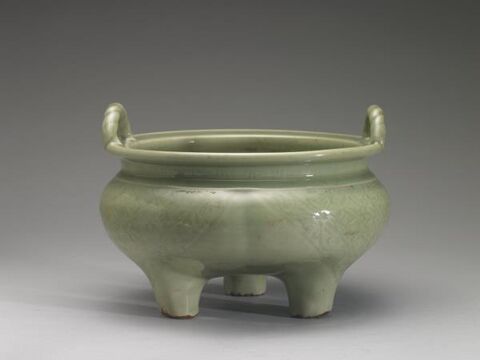
A celadon tripod incense burner modeled after an archaic bronze ding, featuring upright rope-twist handles and three cabriole legs.
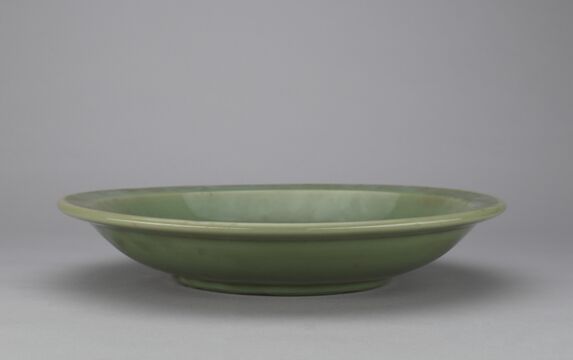
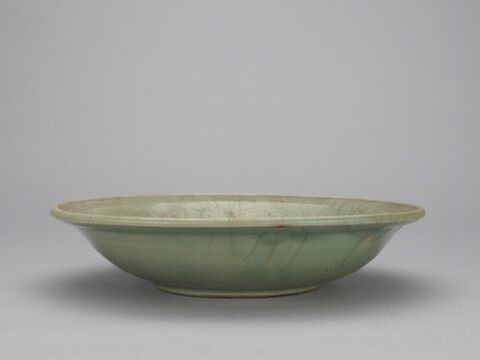
A Ming dynasty celadon plate featuring a flat everted rim, incised floral motifs across the cavetto, and a glossy olive-green glaze.
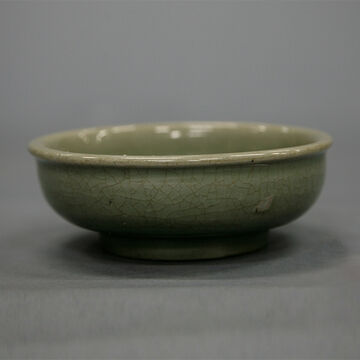
A Ming dynasty celadon bowl with rounded sides, its interior well decorated with molded blossoming flowers beneath a rich, vitreous olive-green glaze.
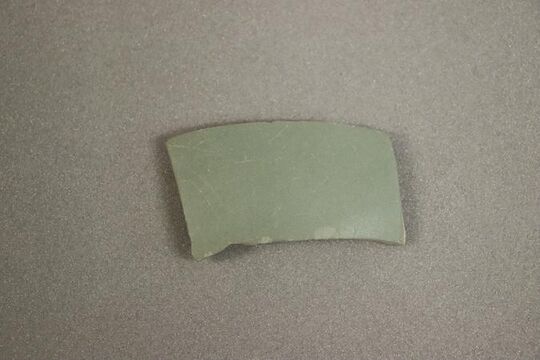
A celadon-glazed ceramic vessel from the British Museum collection dating between the 13th and 15th centuries, coated in an unctuous monochrome glaze.
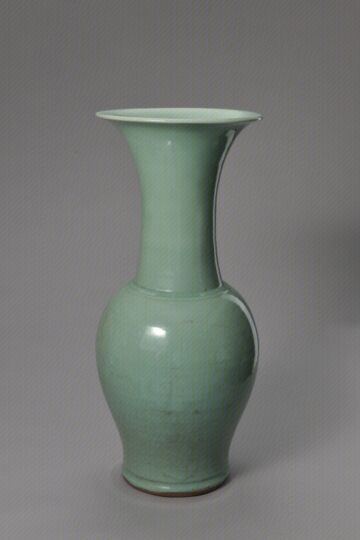
A Ming dynasty celadon phoenix-tail (fengweizun) vase featuring an expansive trumpet neck and an ovoid body enveloped in an olive-green glaze.
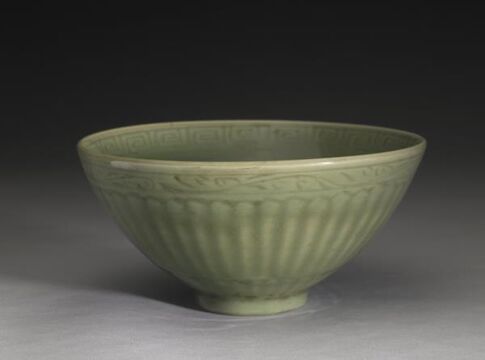
An early Ming dynasty celadon bowl showing deep conical walls carved on the outside with upright lotus petals.
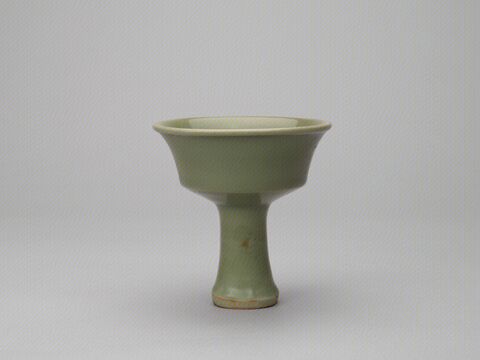
A Ming dynasty celadon stem bowl raised on a hollow spreading foot, enveloped inside and out in an even sea-green glaze.
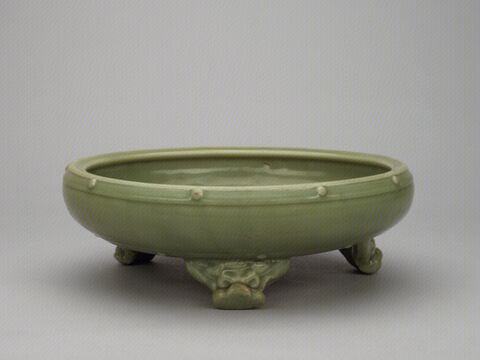
A Ming dynasty celadon tripod censer modeled as a drum, ornamented with rings of molded studs along the upper and lower borders.
A Ming dynasty celadon charger featuring a broad everted rim, carved with dynamic dragon and phoenix motifs representing imperial harmony.