Historic Ceramic Art, Cultural Heritage, Museum Collections & Auction Provenance.
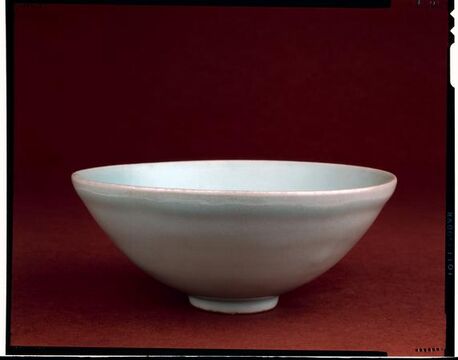
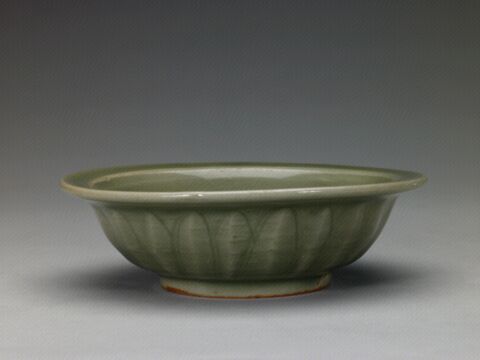
A 12th-century Northern/Southern Song dynasty bowl from the British Museum, featuring thinly potted walls and an alluring, soft monochrome glaze.
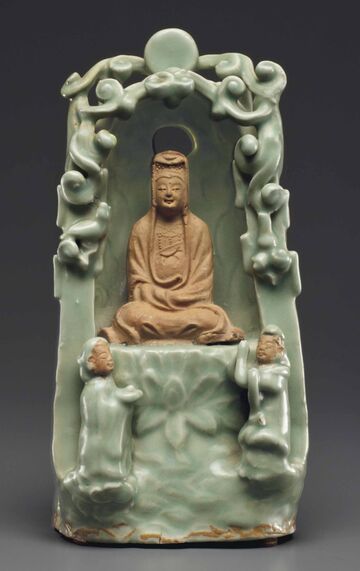
A rare devotional shrine modeled in Longquan celadon ceramic portraying a Buddhist deity seated within an arched niche.
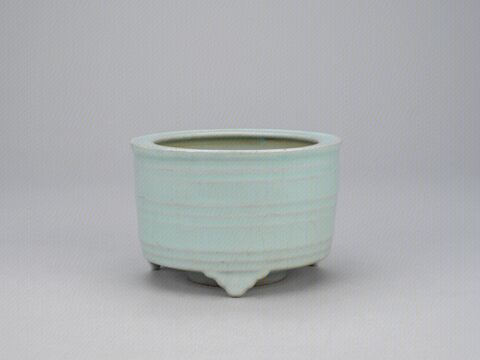
A Song dynasty Longquan celadon censer of cylindrical form encircled by concentric raised bow-string ribs, raised on three stub feet.
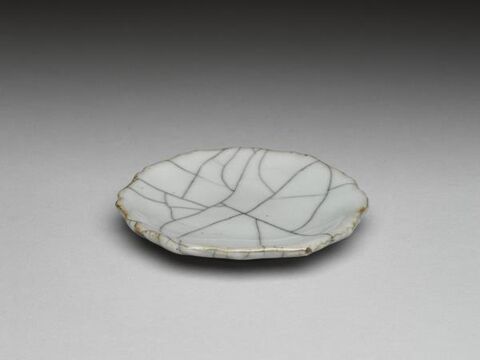
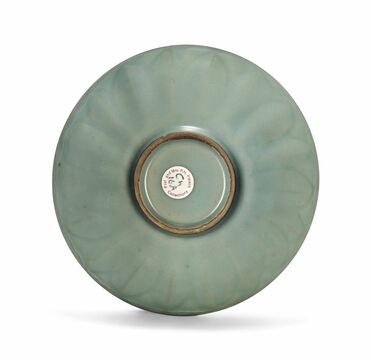
A circular celadon dish featuring an unadorned cavetto and an unctuous olive-green glaze.
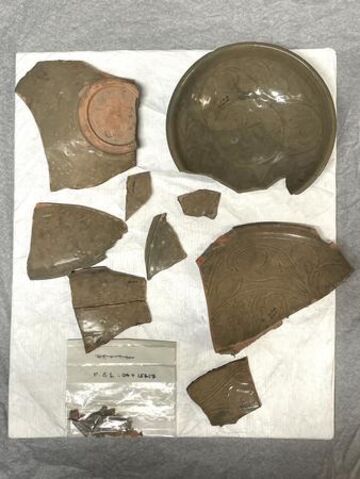
A celadon-glazed ceramic vessel from the British Museum collection dating between the 12th and 14th centuries.
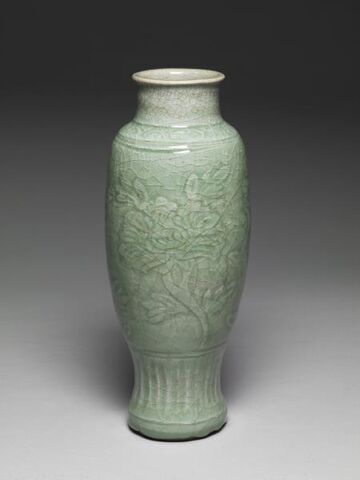
A Ming to early Qing dynasty celadon vase carved with continuous floral motifs beneath an olive-green glaze.
A classic Longquan celadon dish featuring an unadorned shallow well and an everted rim, highlighting the pristine color and jade-like feel of the celadon glaze.
A Song dynasty Longquan celadon washer featuring an everted lip and two molded twin fish in high relief at the center, covered in an unctuous green glaze.
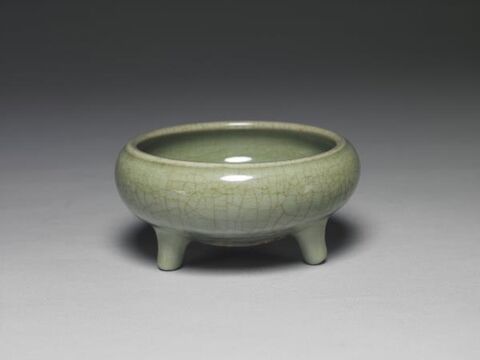
A 16th-century Ming dynasty celadon incense burner resting on three cabriole legs with an olive-green glaze.
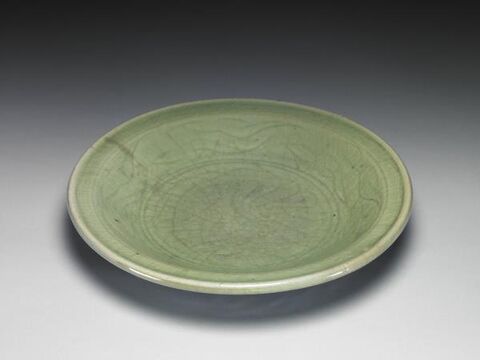
A 16th-century Ming dynasty celadon dish carved with floral motifs under a glossy sea-green glaze.
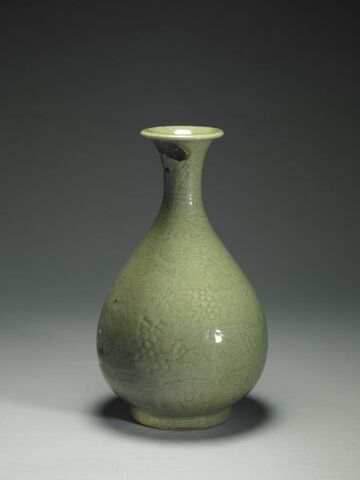
An early Ming dynasty celadon yuhuchun bottle vase fluidly carved around the body with fruiting grapevines and scrolling tendrils.
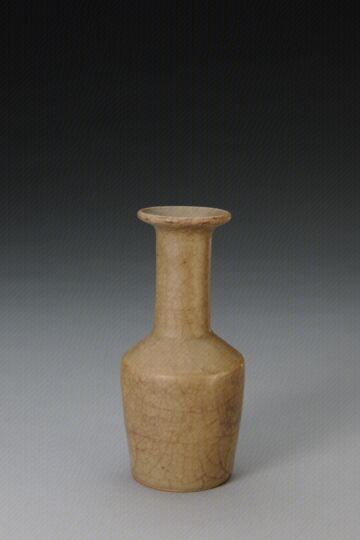
A Song dynasty Longquan celadon miniature vase featuring a shallow dished mouth and swelling body under a soft powder-green glaze.